Author: Christina Rorres

Week Four

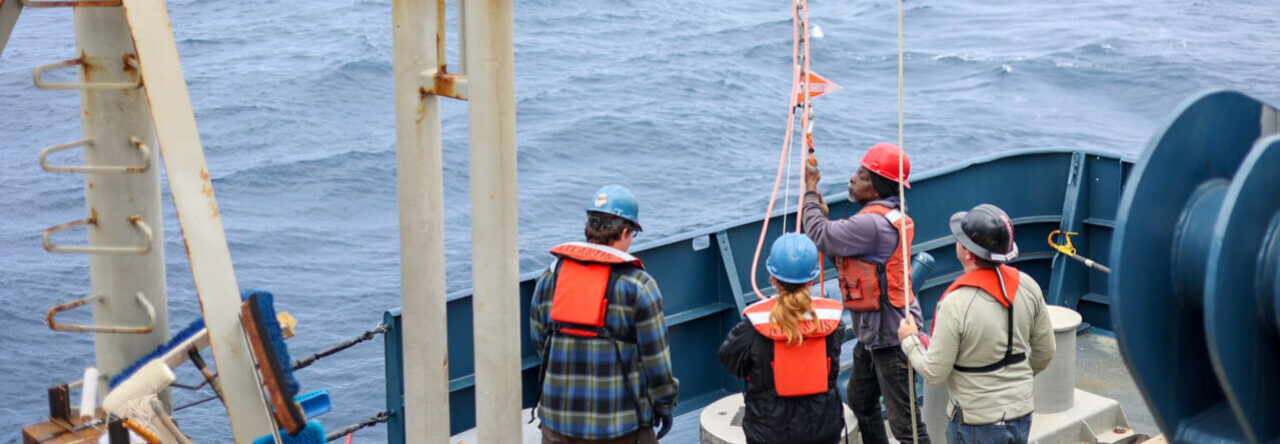
After a productive start to the cruise, the weather finally caught up with us early last week, so we stopped mooring operations. We continued with CTD casts for a while longer, but eventually the seas become too rough for those as well. We steamed away from the area and were able to avoid the worst of the storm.
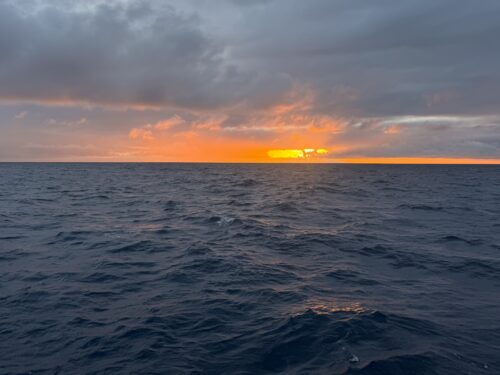
One final sunrise before the storm

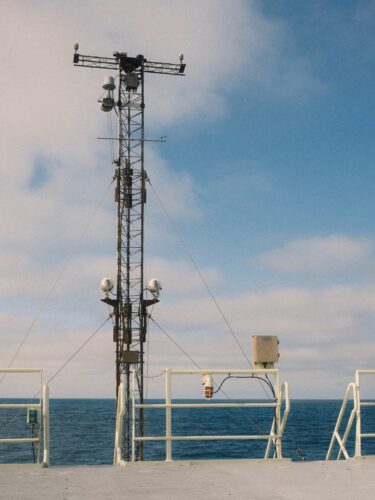
For the next few days, I kept busy with computer work and learning. I watched videos about various SeaBird sensors, started learning Python, and put together a poster advertising our 3D printing capabilities in case any of the scientists need parts. Emily also took some time to show me a few things around the ship. One day we exercised the HiPAP pole and gate valve to help prevent biological growth, and another day she walked me through the meteorological sensors on the mast (pictured below).
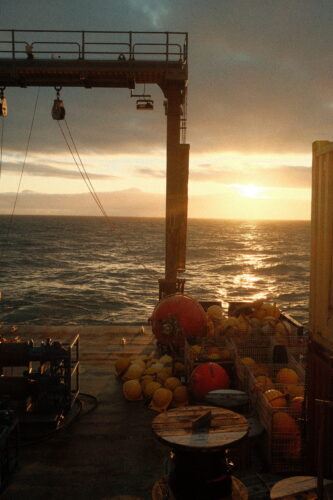
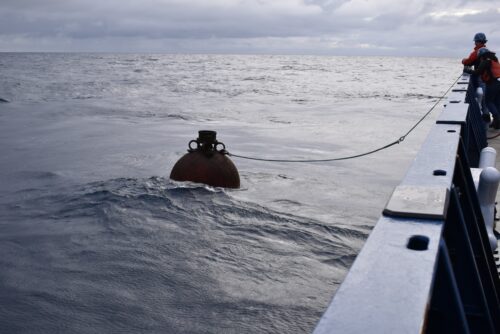
By Thursday evening, the weather had improved enough for us to resume CTD casts, and by Friday morning we were back to mooring operations. We still had two more NIOZ moorings to recover and redeploy, so I spent most of my time helping on the back deck. It’s been a great way to learn more about line handling and safety on deck. Once we wrapped up with the NIOZ moorings we moved onto the University of Miami moorings. It’s been interesting to see how each group builds and deploys their moorings since everyone has their own way of doing things. Just one more week at sea before we tie up in Reykjavik.
Week Three

After a long transit we’ve finally started science operations. On our way north, we stopped a couple of times to deploy ARGO floats. Our typical schedule has consisted of CTD casts at night and mooring operations during the day. Following the first few CTD casts, we noticed that the conductivity values from one of the sensors were drifting quicker than normal, so we replaced it with a spare sensor.

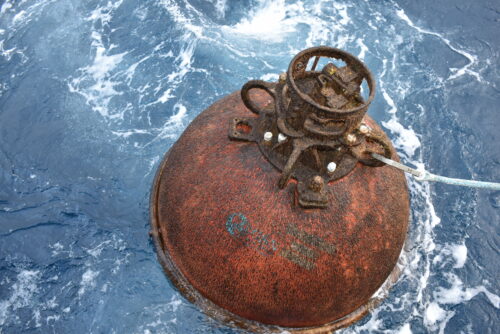
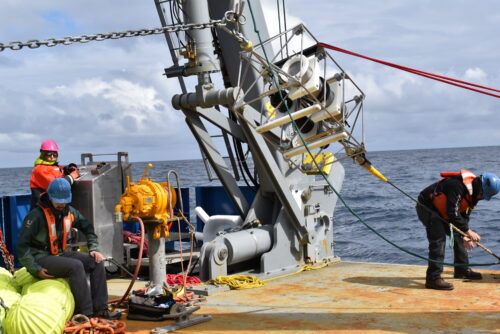
The first few days were spent recovering and redeploying two OOI moorings. Each recovery took place in two stages. We started by recovering the upper 500 meters of the mooring, a process that took about an hour. Shortly after, we deployed the new mooring, which was a multi-hour operation. Once the new mooring was in place, we returned to the original recovery site to retrieve the bottom portion of the previous mooring. During these operations, I had the opportunity to assist with both the A-frame and the winch.

Over the past couple of days, we also recovered and redeployed moorings for NIOZ (Royal Netherlands Institute for Sea Research). Compared to the OOI moorings, these operations have been a bit quicker since the wire is considerably shorter.

Aside from science operations, I also spent some time transferring files to the new backup data drive that I have been setting up. Once the files were copied over, I set up the automated tasks that will be used to run the required scripts if needed.

Week Two

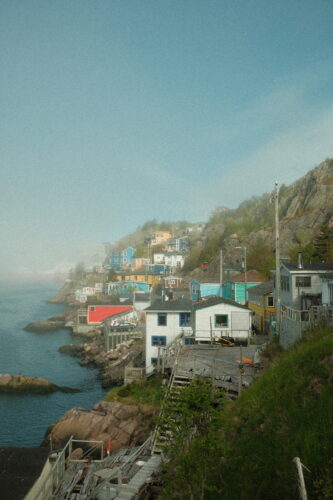
On Monday morning we docked in St. John’s Newfoundland, where we picked up the rest of the science party and crew. Many of us had never been there before so we spent some time exploring the city and hiking along the coast. We got lucky with great weather!

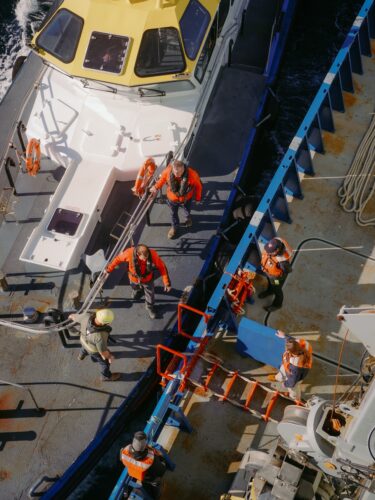
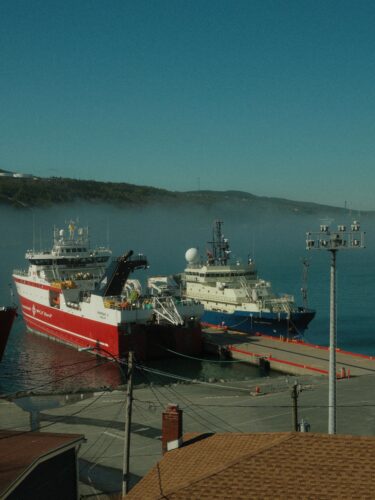
To the right is a photo of the pilots boarding the ship before we entered the harbor. Below are two photos from the trail, one of the Armstrong docked next to a Canadian fishing vessel and one of the neighborhood along the trail.

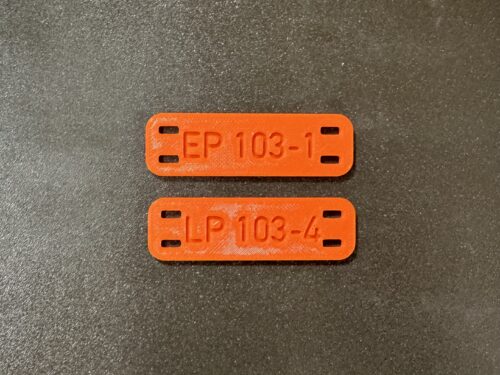
Once again, this week has been slow for science so I have been working on more small projects. When we left port on Wednesday, I relabeled many of the servers and computers on the ship with their new IP addresses that they were given recently. This task has definitely helped me become more familiar with these machines. I’m continuing to practice with the 3D modeling software and have been busy printing some identification tags that the engineers have requested (pictured below). Aside from those two projects, I’ve been spending much of the last few days going through interactive Linux tutorials on my laptop.

Although we have been transiting for most of the week, we stopped a few times on Wednesday to deploy RAFOS floats, which track the motion of the water in the ocean. We will hopefully get to our first CTD station off the east coast of Greenland by Tuesday!

Week One

We departed Woods Hole last Sunday and have been underway to St. John’s Newfoundland to load some more gear and pick up a few more people.

There hasn’t been much science going on so Emily has been giving me a small project most days. I spent the first couple days practicing 3D modeling and printing. There are two 3D printers on board, but when I first arrived one of the raspberry pi’s connected to the printer was broken. Emily tasked me with setting up a new pi, so now we can print from our laptops again and watch the process with the camera that is set up. Once I got that printer working again, we noticed the print quality from the other printer was pretty bad in comparison, so I’ve been troubleshooting that issue.

I also spent a day working on reformatting a server to install a new operating system. Everything about this was completely new to me so it took me a while to get things right. Later, I spent some time building the ethernet cable for this server. Eventually, we will set it up to be a backup data drive.

After a few days we stopped to do a test CTD and deploy the first mooring, both of which went smoothly. The mooring landed about 700m away from its target location, which seemed reasonable considering the 4000m of line and 5000m seafloor. I was able to help out running the A-Frame and winch as needed.

Introduction: Christina Rorres

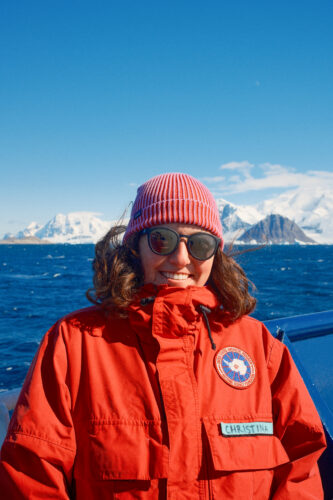
Hello! My name is Christina and I am an intern on the upcoming Armstrong cruise from Woods Hole, MA to Reykjavik, Iceland. This cruise is primarily for the Overturning in the Subpolar North Atlantic Program (OSNAP), but there will be some work with Ocean Observatories Initiative (OOI).

I am taking a short break from my current position as a research assistant at WHOI to shadow and work alongside the marine techs onboard here. Over the past three years, I have sailed on various UNOLS vessels as a science member, so I’m excited to sail with and learn from the SSSG’s (Shipboard Scientific Services Group) over the next six weeks.

Powered by WordPress & Theme by Anders Norén