Month: March 2026

Ken: Week 16 and 17

Week 16:

The main batteries were the centerpiece of this week. These are the large lead-acid battery packs that power Alvin during a dive, and it was time to replace the individual cells. Each battery is constructed of 60 cells in two trays, top and bottom, with two batteries installed at a time. Generally one is dedicated to powering port side equipment and one to starboard. Each cell is roughly 2 volts, for a total of 120 volts DC for the high power devices, stepped down by the power bottles to various lower voltages for everything else. There is a third battery and a consistent rotation of the three, so that while two are in service the third is going through regular preventative maintenance.

To cover replacing each cell across all three batteries, five pallets totaling 200 new cells were ordered, 60 cells per battery with 20 spares to cover the multiple years they will be in service, ensuring the cells will always be of the same construction and age. With each cell being of similar weight to a car battery, there was a lot of manual labor involved.

The first stretch of the week, Monday through Wednesday, was spent on the swap. The old cells were pulled from the trays a small quantity at a time while a similar amount of new ones were pulled from the shipping pallets and cleaned before installation. The used cells were stored back in the shipping pallets for later return, and the new cells were inserted into the trays.
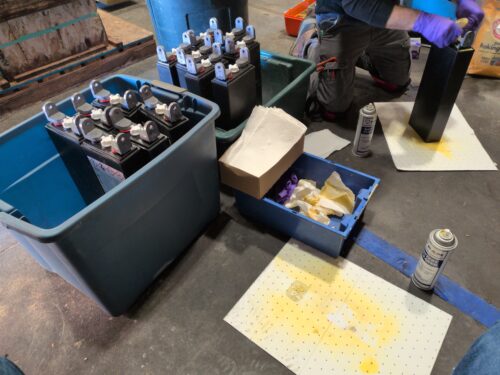
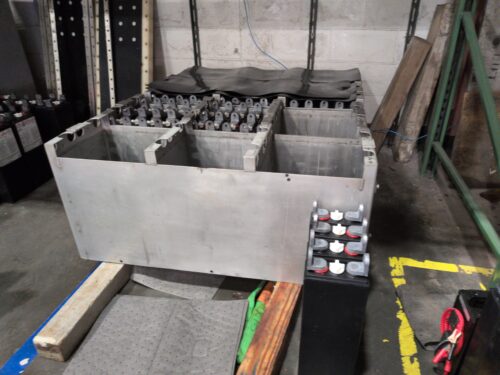
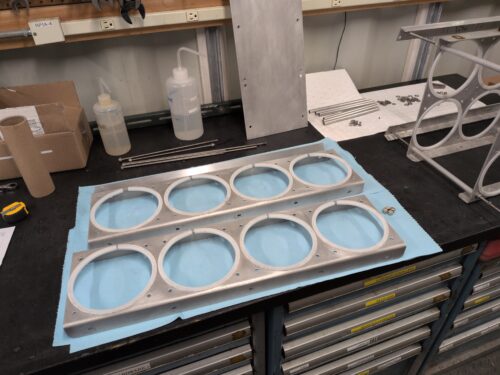
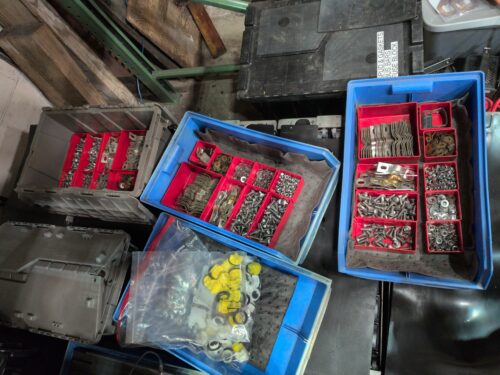
The new cells are a slightly different height than the old ones, which meant new spacer plates that sit beneath them and protect the cell bottoms needed to be fabricated to bring the terminals to the correct height. And in preparation for the future work of connecting all the cells together, the terminal connection hardware was cleaned with degreaser and run through the sonic cleaner, then sorted and set aside for later installation.
With the trays fully populated, Thursday shifted elsewhere. The spare cell storage boxes were modified to make it easier to store and remove spare cells. And work began on sealing up the pallets of old cells for shipment.
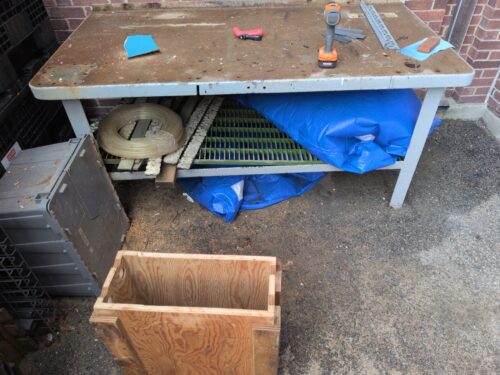
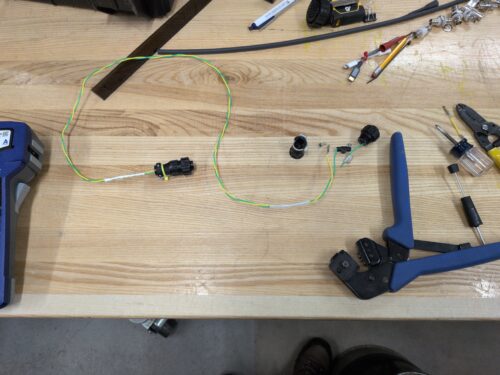
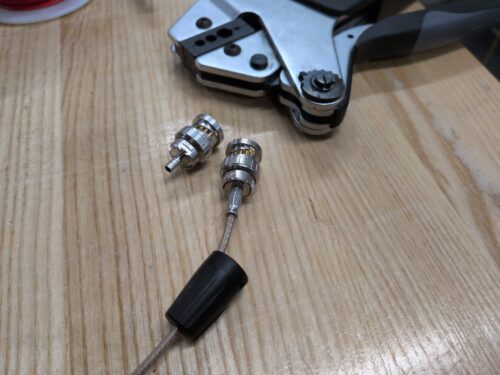
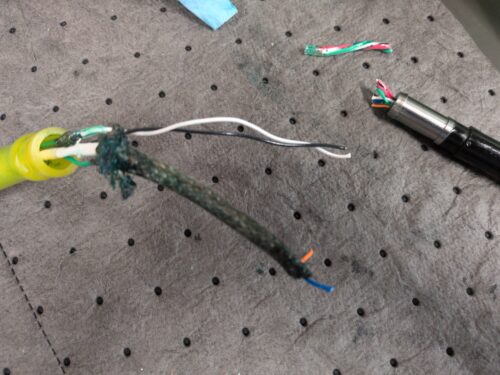
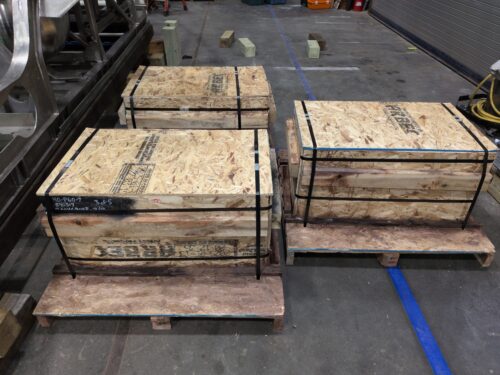
Friday was a mix of tasks. A pair of camera PBOF cables needed shortening to remove damaged sections, with the connectors replaced in the process. The rest of the day went toward finishing up the used cell pallets and getting them secured. Once sealed, the pallets were moved out to clear space in the shop for the following week, when a specialized metrology company was arriving to create a precision 3D scan of the sphere.
Week 17:

Monday started with installing the I&I bottle housings back into the forward section of the frame. And the sphere wiring harness was craned back to the sphere. Rick is leading the task of re-installing the equipment and harness into the sphere.
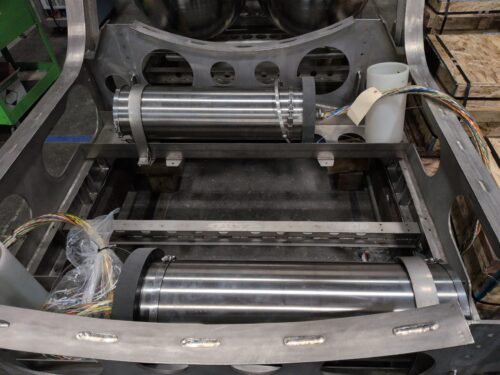
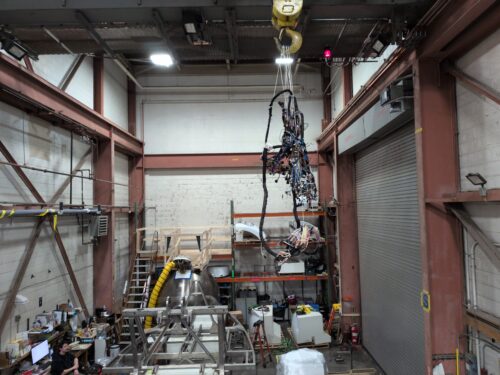
On Tuesday, some minor alterations were made to cables running to various junction boxes. And I joined Scott to begin reassembly of the power bottles. The power bottles consist of a high power side and a lower power side, joined by a middle ring that contains further connections.
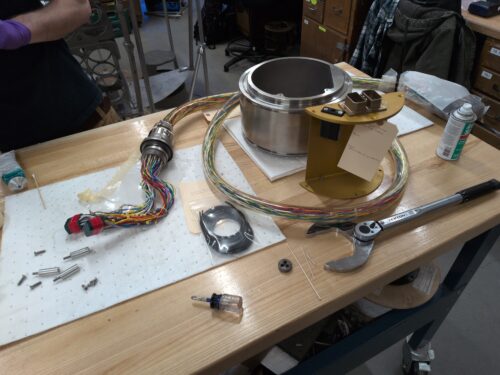
Power bottle reassembly continued through Wednesday.
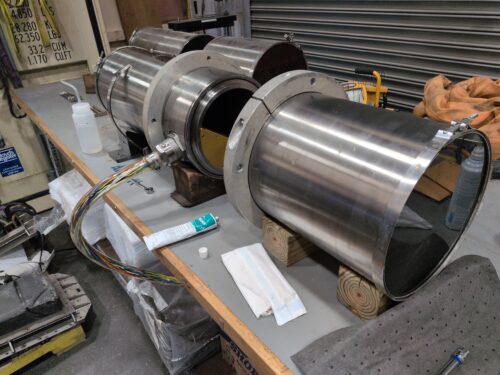
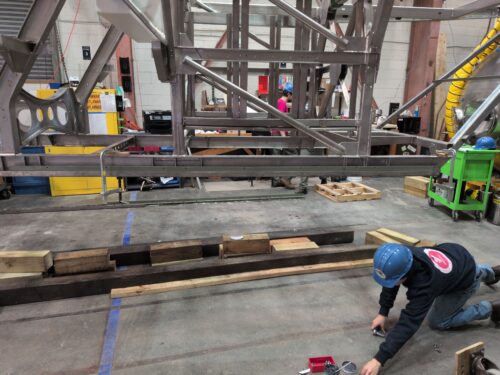
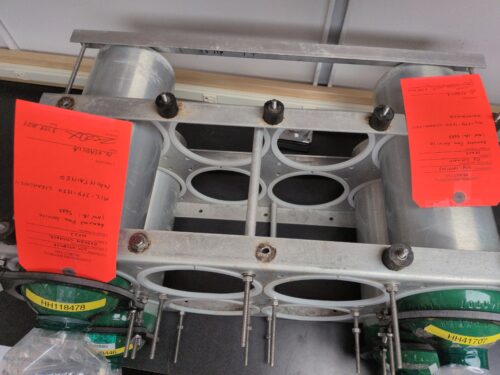
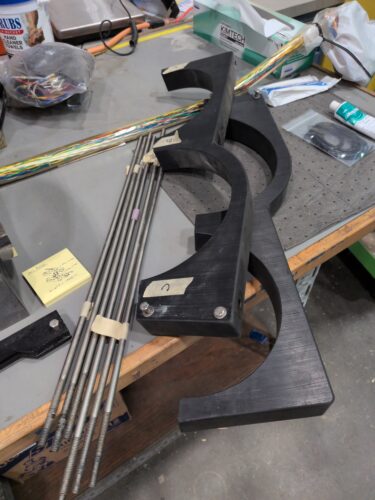
Thursday was spent on the re-installation of the aft bottle rack, which houses the power and data bottles. It needed a cleanup, and several holes were enlarged to better accept the threaded rod that bolts the rack assembly together.
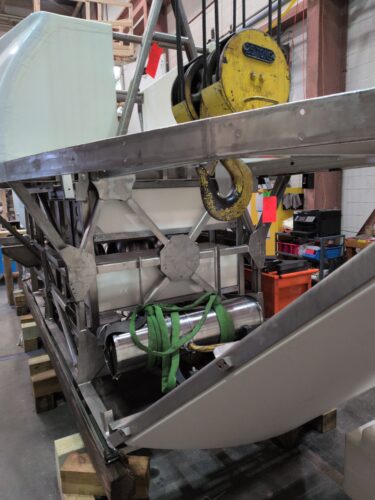
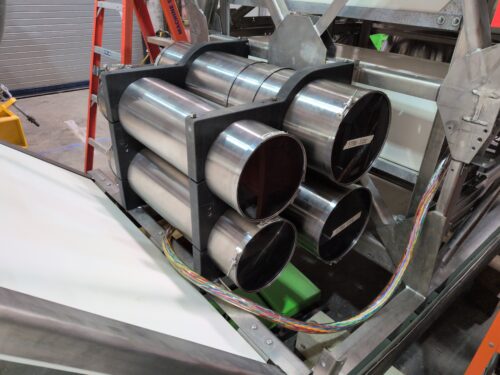
The week wrapped up Friday with finishing the installation of the aft bottle rack and populating the power and data bottle housings into the frame.
Ken: Week 14 and 15

Week 14:

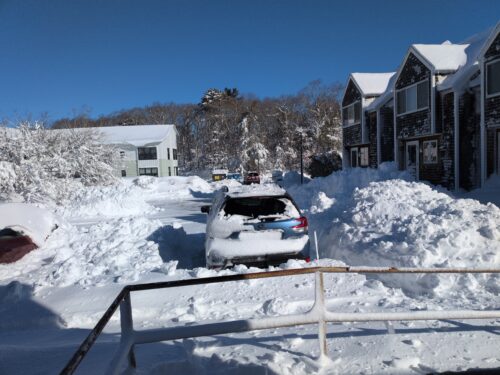
This one is short. A significant blizzard moved through the region and shut down WHOI campuses for the first four days of the week. Roads were closed to unnecessary travel and many of us were without power for days. It was certainly an interesting time, though some of us did fit in some sledding and board games.

Fortunately, the crews working to clean up after the storm and restore services had things back in order by late Thursday, and work resumed Friday. I picked back up on the oxygen rack cleanup where it had been left off. And helped the mechs remount the skids to the bottom of the frame. These protect the extremely expensive titanium frame by taking the brunt of the damage caused by Alvin resting on rough surfaces like concrete, rocky seafloor, and the ship deck.
Week 15:

The oxygen rack cleanup wrapped up Monday, bringing that project to a clean close.

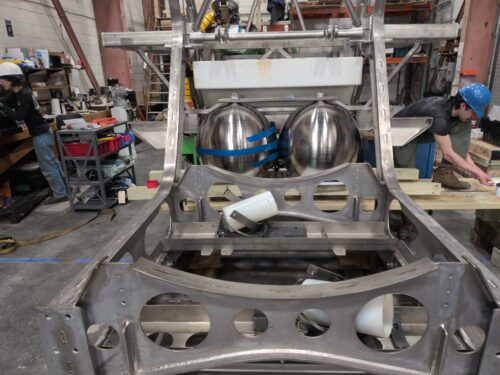
Tuesday brought continued work with the mechanical side of things. I helped the mech team reinstall the forward variable ballast spheres, the same titanium spheres that were cleaned and borescoped previously, now making their way back into the vehicle as reassembly builds momentum.

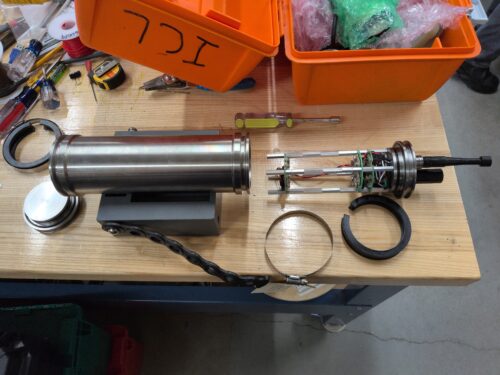
On Wednesday we were testing the Inductively Coupled Links (ICLs) after they had been loaned out for a non-Alvin cruise. ICLs use inductive coupling to create a very short range wireless communications link between temperature probes and Alvin, allowing collection of seawater temperature data without each probe being wired directly to the vehicle. This allows multiple temperature probes to be mounted on the science platform with only one required wired connection into Alvin, as the manipulator arm can move the reading device between whichever probe is needed. Testing included the usual visual inspections, probe calibration checks, and verifying the expected data over the serial link. One faulty ICL was found but repaired easily, as it was simply a failed solder joint on a wire-to-board connection.

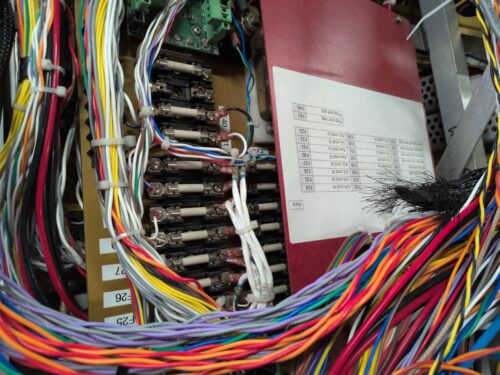
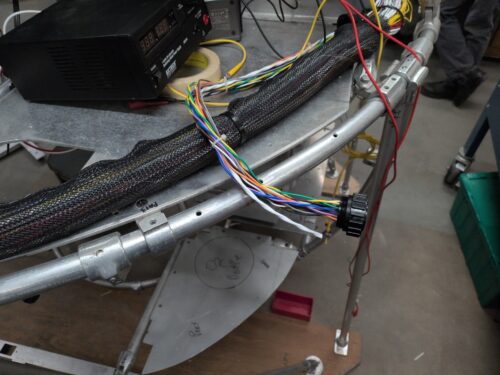
The rest of Wednesday was spent back in the birdcage, continuing the AV wiring work, along with a few control system wires, and some improvements to component labeling.

Thursday I remained in the birdcage, finally completing the wiring work. Sadly I didn’t manage to get any pictures of the finished AV wiring. You’ll just have to believe me that it looked very clean, as the birdcage began disassembly soon after for re-installation of the wiring harness and equipment back into the sphere.

The week ended a day early for me, as my Friday was spent in bed sick.


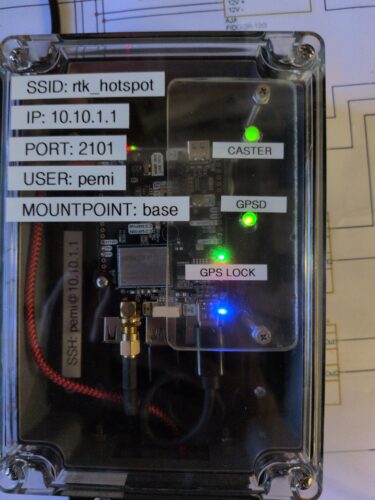
Over the weekend I finished a school project that I had been working on over many weekends this semester. A mobile GPS base station that provides RTK correction data to an aerial drone, giving it more precise positioning than the drone’s onboard GPS receiver alone. The tough part was building it to operate as a standalone system in remote regions with no cell service or internet connection. Made easier by the control of configuration provided by device using open source software and mostly open source hardware.

Ken: Week 12 and 13

Week 12:

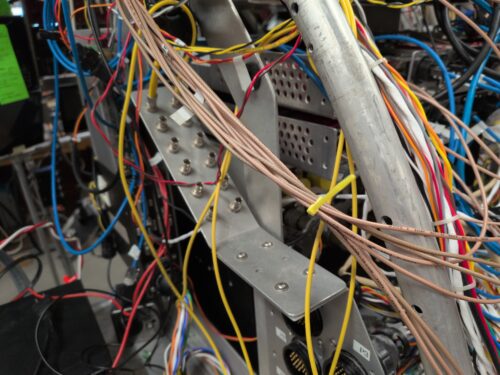
The AV wiring cleanup that began at the end of week eleven stretched into the majority of this week as well. Working through the sphere’s video system is slower going than it might sound. With so many cables going different directions, cable routing can be complex. Progress is real, just not dramatic on any given day.

Monday was spent continuing that work.

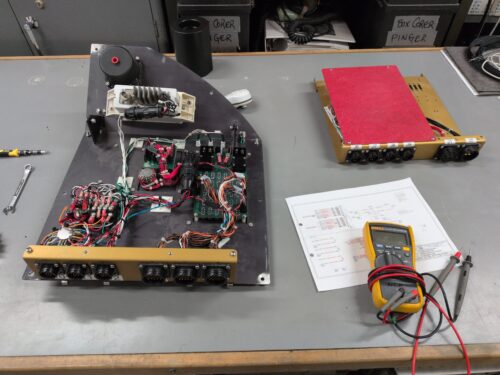
Tuesday had an important task: verifying Ben’s repair work on the in-sphere panel responsible for detecting vehicle grounds. Grounds are a persistent reality when working with a system that spends its life in and around seawater. Everything is wet, and grounds can be genuinely difficult to track down while causing a variety of issues depending on the electrical system affected. Having a reliable detection panel is important, and verifying the repair with a second set of eyes is a required step.

Wednesday brought a major turning point. The team officially kicked off reassembly with a meeting, covering the plan and sequence for bringing everything back together.

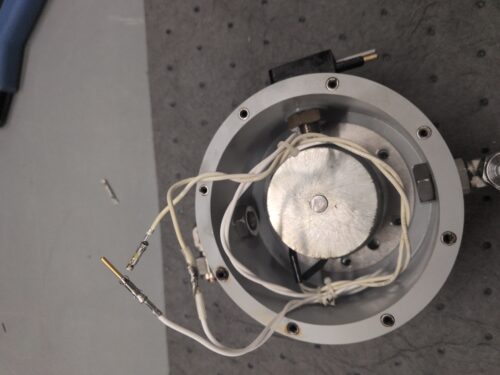
A smaller task filled Thursday, cleaning up the wiring inside the main ballast vent valve. This is an electrically controlled valve that releases the air held in the main ballast tank when Alvin is ready to begin descent. Existing solder connections were replaced with a pin connector. Solder joints get the job done, but a connector makes it much easier to isolate and test individual components.

Friday held no surprises, simply continued work on the audio visual system wiring.

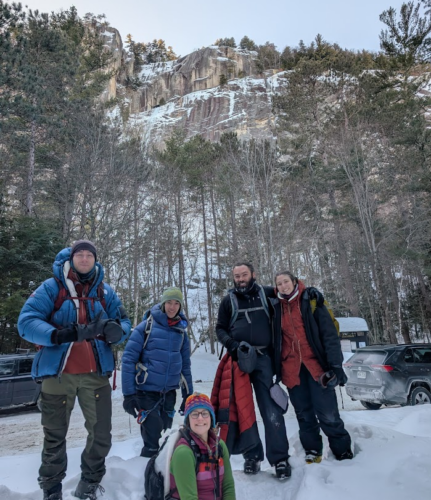
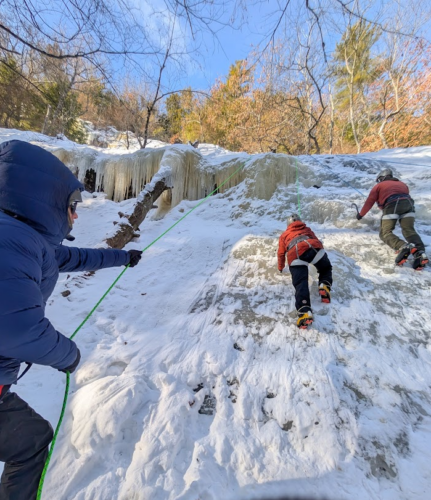
The weekend held a big adventure. Around ten members of the Alvin team headed up to New Hampshire for ice climbing and mountaineering. My first time ice climbing.

Week 13:

The AV wiring cleanup continued through Monday, Tuesday, and into part of Wednesday.

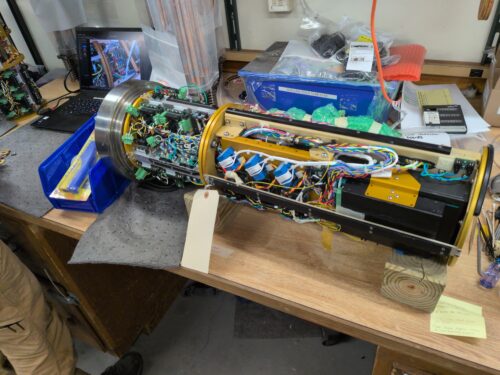
On Wednesday I also helped Scott begin reassembly of the data bottles, specifically attaching the endcaps back onto the chassis of each bottle and threading the associated wires back through the bottles. A finicky task, as the bottles are densely populated to utilize space as efficiently as possible.

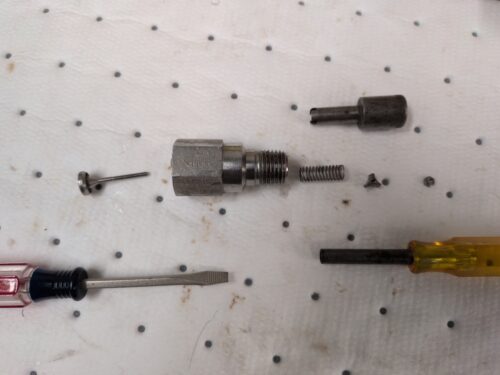
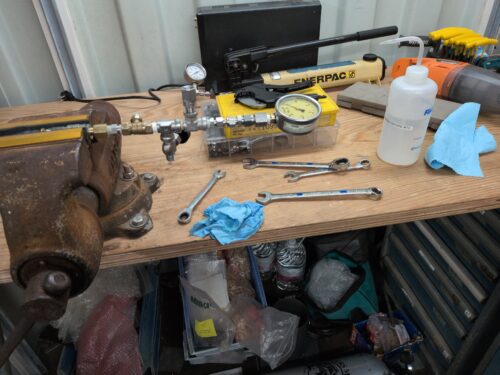
Thursday was spent servicing the pressure relief valves on the compensation system. The compensation system generally does not see a pressure difference between the oil inside and the seawater outside, as the comp bladders are squeezed by the water until the pressure equalizes. If an issue causes the internal pressure to rise above the outside, the relief valves open. They are set to an unusually small threshold of 2 to 3 PSI, because anything greater will damage housings.

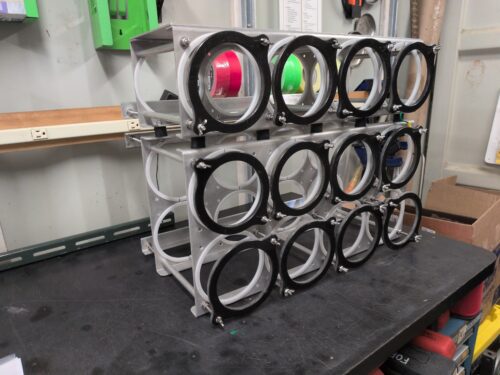
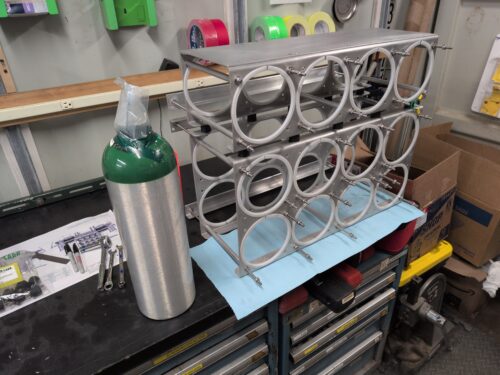
A new project came in on Friday, pulling the in sphere wiring work aside for the time being. Inside the sphere, the oxygen supply bottles are stored in a rack, and I began a disassembly and cleanup of that rack. The oxygen system is part of Alvin’s life support, and though the rack itself is not a complex component nor in direct contact with the gas supply or people, the cleaning was done with mild chemicals to ensure no contamination to the oxygen system in the future. Small repairs were made to bent components and damaged threads, and a few screws were shortened to make installing the bottles easier going forward.

Ken: Week 10 and 11

Week 10:

The bulk of this week belonged to finishing the Pressure Balanced Oil Filled (PBOF) tube inspections that had carried over from the prior week. While inspecting, I was also cataloguing the types and quantities of replacement materials that will be required for repairs, so nothing holds up the schedule later. Methodical work, but the kind that quietly prevents bigger headaches down the road.

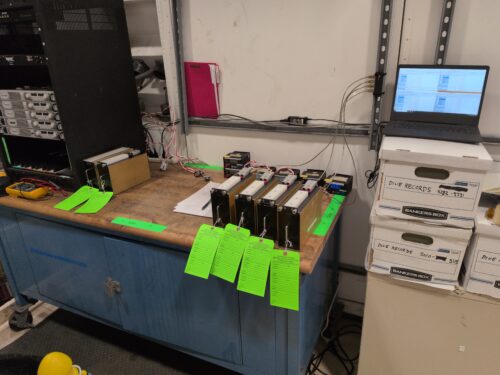
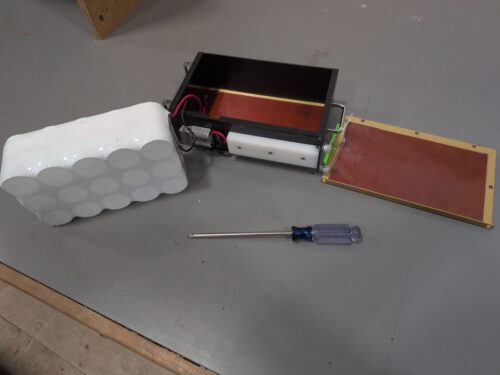
Across parts of Monday and Tuesday I joined Ben for emergency battery maintenance. These batteries supply power to vital systems inside the sphere if the main batteries were to have an issue, though not the same emergency lights from a couple weeks before. The process was similar but longer and more complicated, as these batteries are larger and more critical. We opened each battery case to inspect for damaged or leaking cells and any other issues, then each pack went through multiple rounds of charging and discharging to make sure they could hold at least the minimum required charge.

A highlight of Wednesday was attending a cosmology lunch and learn presented by retired WHOI scientist Jim Lynch. It’s one of the better perks of being at an institution like this. Occasionally the workday just opens up into something completely different. Ocean engineering one hour, the structure of the universe the next.

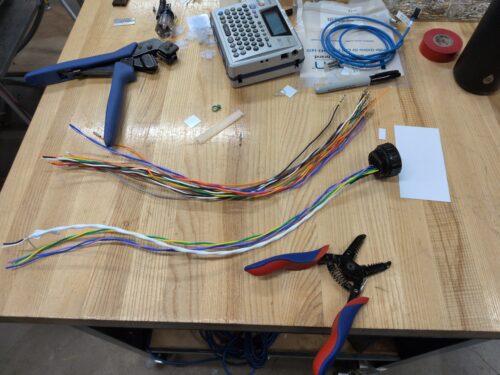
Thursday was dedicated to re-terminating a number of in-sphere wires. Several bundles had been made intentionally long during the last overhaul to allow flexibility during maintenance. Now that the team had confirmed that length was no longer needed, I shortened the bundles, recovering space inside an already crowded pressure vessel.

To close out the week, the PBOF inspections were officially finished. More importantly, the Alvin frame returned from the vendor on Friday. It’s a significant milestone; seeing major structural components come back signals that the overhaul is beginning its long turn toward reassembly.

Week 11:

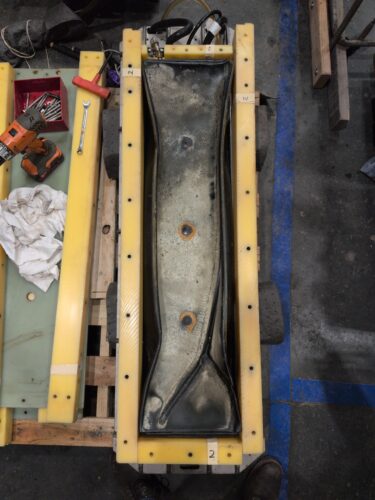
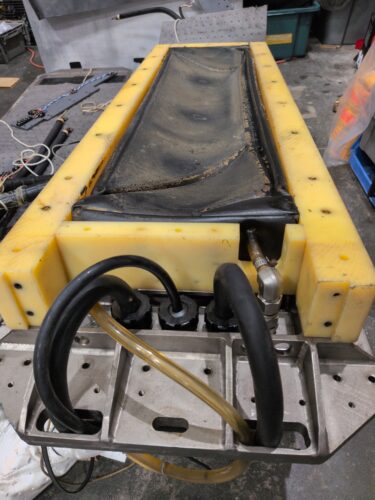
Battery bases were the centerpiece of this week. These are the large multi-faceted titanium bases for the main batteries, which also incorporate HDPE and fiberglass pieces surrounding rubber bladders that hold an oil reserve, there to compensate if any oil filling the main cavity containing the battery cells were to escape. The task was to clean everything down and inspect for faults. The main concern was the compensation bladders, which received multiple rounds of rinsing and inspection of the particulate exiting them, to judge the state of the inside surfaces and seams.

Picking up loose ends kept me busy across Monday and Tuesday. The engineering team followed up regarding the outer skin redline drawings from a few weeks back, and I worked through their list of clarifications, cross-referencing my notes and measurements so they could move forward with confidence on the updated official drawings. On top of that, the mountain of O-rings grew a little taller. A few small stashes had turned up around the shop, which I inventoried and added to the cabinet.

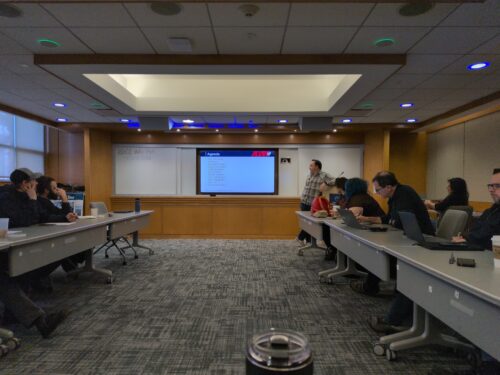
Wednesday brought an interesting and sobering meeting. The agenda covered updates to Alvin’s Emergency Response Plan, a structured framework defining how the sub, the ship, and shoreside personnel would communicate and coordinate in the event of a serious incident. That covers everything from initial response to how a rescue operation would be organized, who owns each decision, and how different teams stay aligned under pressure. All of this while any additional help could be days away. The level of forethought that goes into this kind of planning reflects how seriously the team treats operating in an environment where the nearest help is thousands of meters overhead.

The current stage of the battery base project wrapped up on Thursday. Like many maintenance efforts on during overhaul, it’s not a task completed in one go. Multiple teams are involved, parts are on order, further work will continue across the weeks ahead as modifications might be made, and final steps will only be complete as the larger system’s pieces are brought back together.

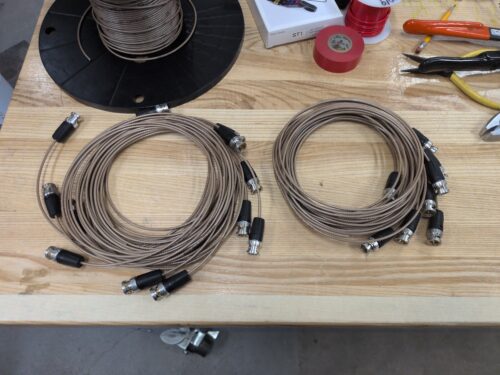
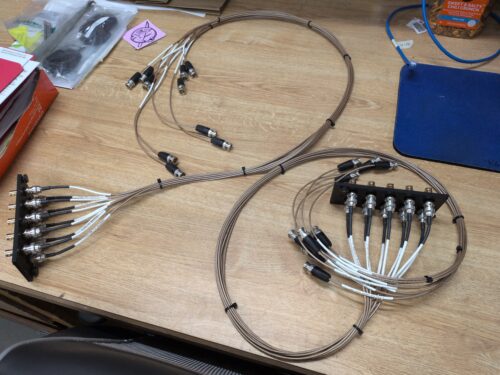
That brought Friday, and a new project. I started sorting out the coaxial cables carrying SDI camera signals for the sphere’s video system. The video system was a major addition during the last overhaul, and like the wires re-terminated earlier in the week, the cabling had room for improvement in how it was managed. Clean, traceable cabling is easier to inspect, faster to troubleshoot, and less likely to cause confusion for whoever works on it next.

Powered by WordPress & Theme by Anders Norén