Week 10:
The bulk of this week belonged to finishing the Pressure Balanced Oil Filled (PBOF) tube inspections that had carried over from the prior week. While inspecting, I was also cataloguing the types and quantities of replacement materials that will be required for repairs, so nothing holds up the schedule later. Methodical work, but the kind that quietly prevents bigger headaches down the road.
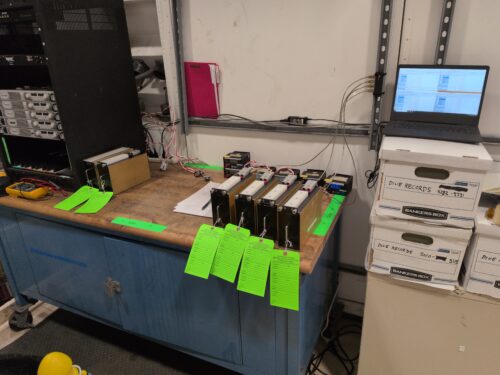
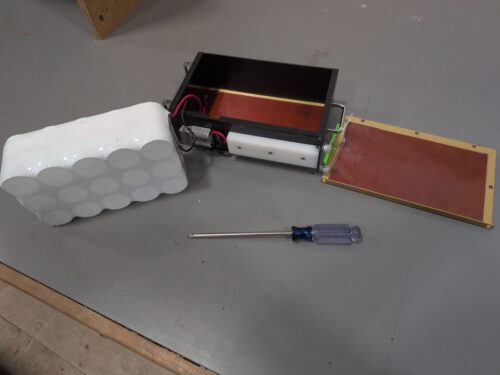
Across parts of Monday and Tuesday I joined Ben for emergency battery maintenance. These batteries supply power to vital systems inside the sphere if the main batteries were to have an issue, though not the same emergency lights from a couple weeks before. The process was similar but longer and more complicated, as these batteries are larger and more critical. We opened each battery case to inspect for damaged or leaking cells and any other issues, then each pack went through multiple rounds of charging and discharging to make sure they could hold at least the minimum required charge.
A highlight of Wednesday was attending a cosmology lunch and learn presented by retired WHOI scientist Jim Lynch. It’s one of the better perks of being at an institution like this. Occasionally the workday just opens up into something completely different. Ocean engineering one hour, the structure of the universe the next.
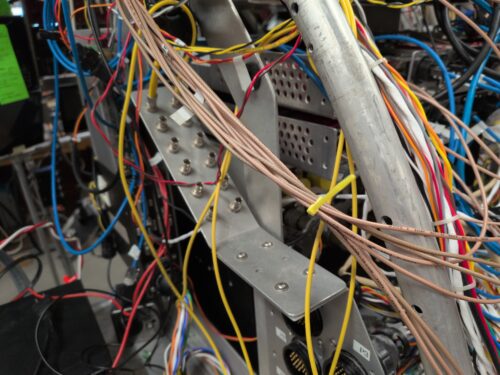
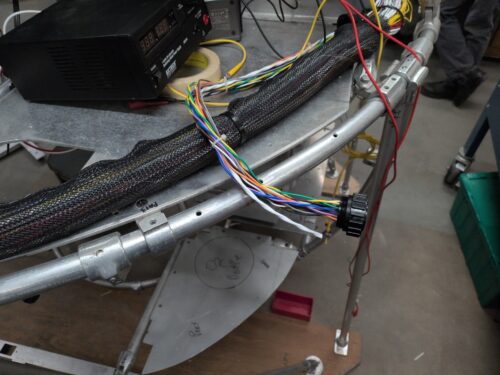
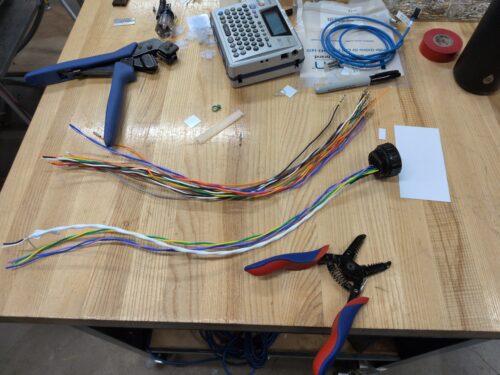
Thursday was dedicated to re-terminating a number of in-sphere wires. Several bundles had been made intentionally long during the last overhaul to allow flexibility during maintenance. Now that the team had confirmed that length was no longer needed, I shortened the bundles, recovering space inside an already crowded pressure vessel.
To close out the week, the PBOF inspections were officially finished. More importantly, the Alvin frame returned from the vendor on Friday. It’s a significant milestone; seeing major structural components come back signals that the overhaul is beginning its long turn toward reassembly.
Week 11:
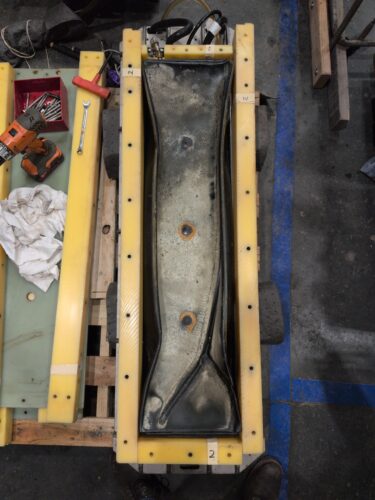
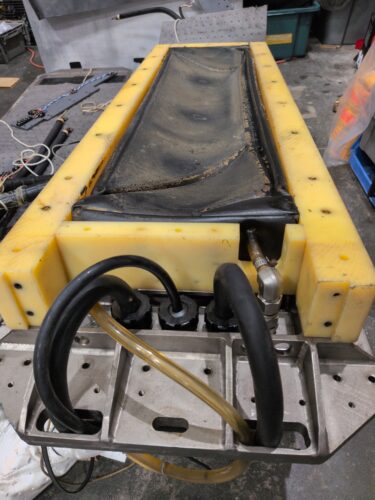
Battery bases were the centerpiece of this week. These are the large multi-faceted titanium bases for the main batteries, which also incorporate HDPE and fiberglass pieces surrounding rubber bladders that hold an oil reserve, there to compensate if any oil filling the main cavity containing the battery cells were to escape. The task was to clean everything down and inspect for faults. The main concern was the compensation bladders, which received multiple rounds of rinsing and inspection of the particulate exiting them, to judge the state of the inside surfaces and seams.
Picking up loose ends kept me busy across Monday and Tuesday. The engineering team followed up regarding the outer skin redline drawings from a few weeks back, and I worked through their list of clarifications, cross-referencing my notes and measurements so they could move forward with confidence on the updated official drawings. On top of that, the mountain of O-rings grew a little taller. A few small stashes had turned up around the shop, which I inventoried and added to the cabinet.
Wednesday brought an interesting and sobering meeting. The agenda covered updates to Alvin’s Emergency Response Plan, a structured framework defining how the sub, the ship, and shoreside personnel would communicate and coordinate in the event of a serious incident. That covers everything from initial response to how a rescue operation would be organized, who owns each decision, and how different teams stay aligned under pressure. All of this while any additional help could be days away. The level of forethought that goes into this kind of planning reflects how seriously the team treats operating in an environment where the nearest help is thousands of meters overhead.
The current stage of the battery base project wrapped up on Thursday. Like many maintenance efforts on during overhaul, it’s not a task completed in one go. Multiple teams are involved, parts are on order, further work will continue across the weeks ahead as modifications might be made, and final steps will only be complete as the larger system’s pieces are brought back together.
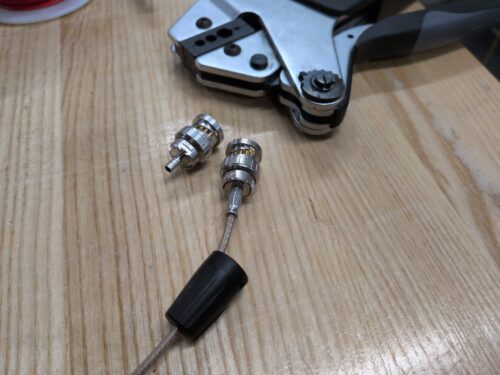
That brought Friday, and a new project. I started sorting out the coaxial cables carrying SDI camera signals for the sphere’s video system. The video system was a major addition during the last overhaul, and like the wires re-terminated earlier in the week, the cabling had room for improvement in how it was managed. Clean, traceable cabling is easier to inspect, faster to troubleshoot, and less likely to cause confusion for whoever works on it next.