Week 16:
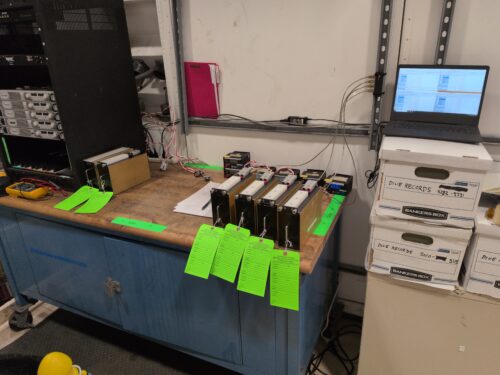
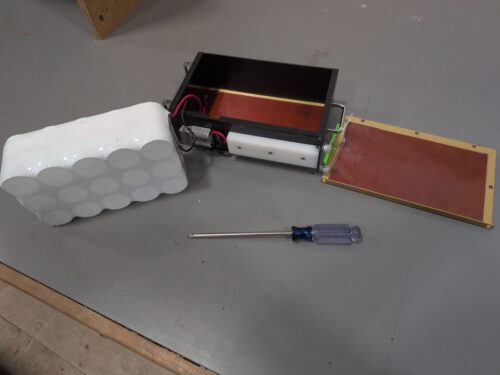
The main batteries were the centerpiece of this week. These are the large lead-acid battery packs that power Alvin during a dive, and it was time to replace the individual cells. Each battery is constructed of 60 cells in two trays, top and bottom, with two batteries installed at a time. Generally one is dedicated to powering port side equipment and one to starboard. Each cell is roughly 2 volts, for a total of 120 volts DC for the high power devices, stepped down by the power bottles to various lower voltages for everything else. There is a third battery and a consistent rotation of the three, so that while two are in service the third is going through regular preventative maintenance.
To cover replacing each cell across all three batteries, five pallets totaling 200 new cells were ordered, 60 cells per battery with 20 spares to cover the multiple years they will be in service, ensuring the cells will always be of the same construction and age. With each cell being of similar weight to a car battery, there was a lot of manual labor involved.
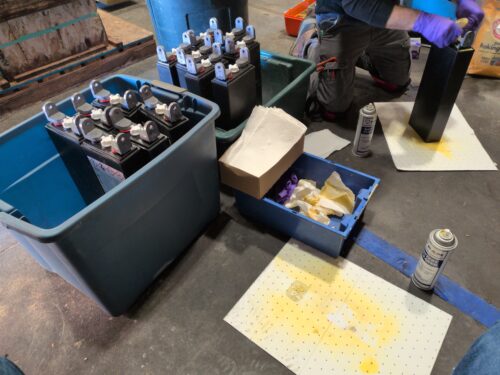
The first stretch of the week, Monday through Wednesday, was spent on the swap. The old cells were pulled from the trays a small quantity at a time while a similar amount of new ones were pulled from the shipping pallets and cleaned before installation. The used cells were stored back in the shipping pallets for later return, and the new cells were inserted into the trays.
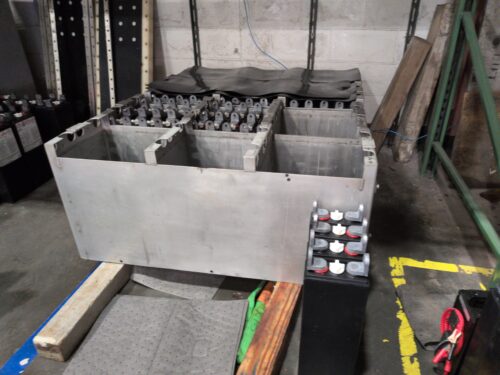
The new cells are a slightly different height than the old ones, which meant new spacer plates that sit beneath them and protect the cell bottoms needed to be fabricated to bring the terminals to the correct height. And in preparation for the future work of connecting all the cells together, the terminal connection hardware was cleaned with degreaser and run through the sonic cleaner, then sorted and set aside for later installation.
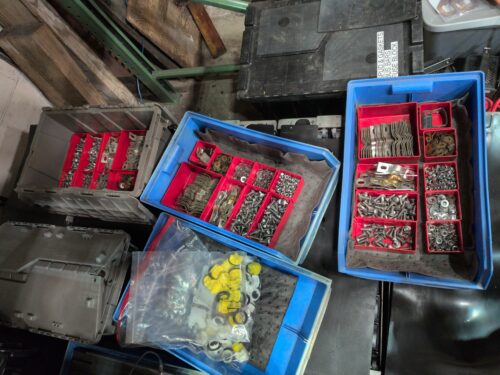
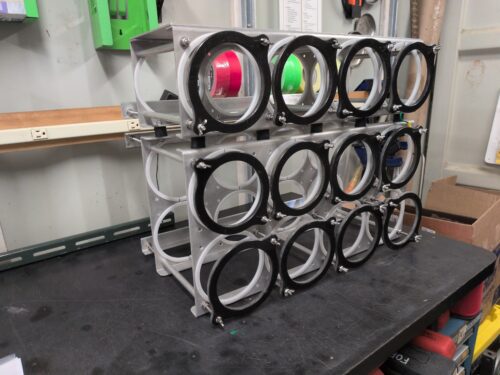
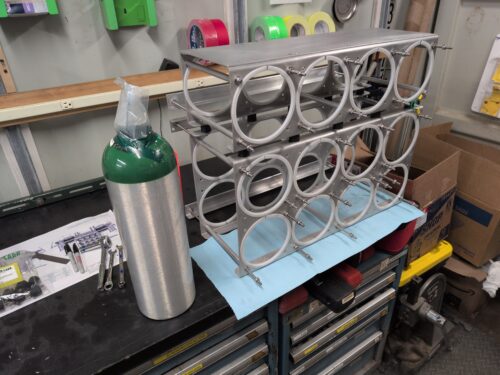
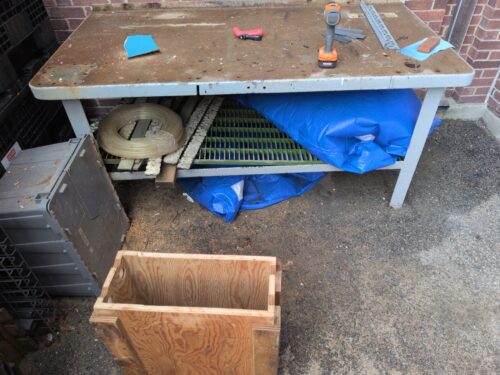
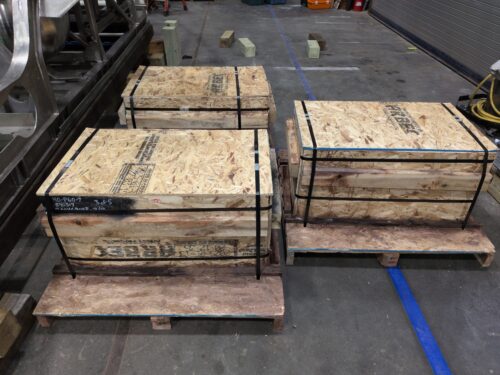
With the trays fully populated, Thursday shifted elsewhere. The spare cell storage boxes were modified to make it easier to store and remove spare cells. And work began on sealing up the pallets of old cells for shipment.
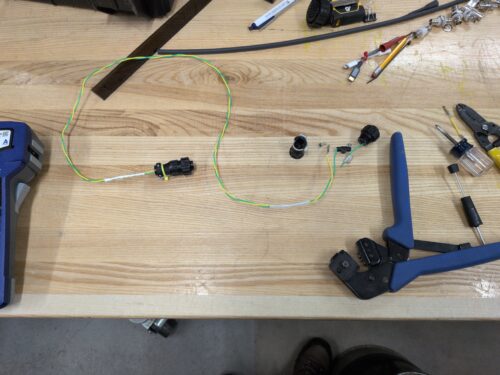
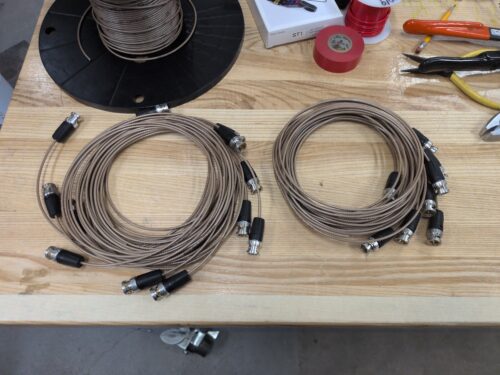
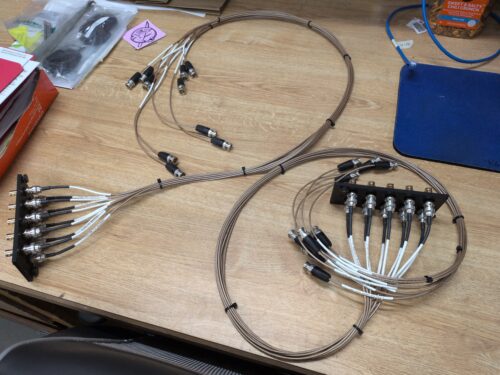
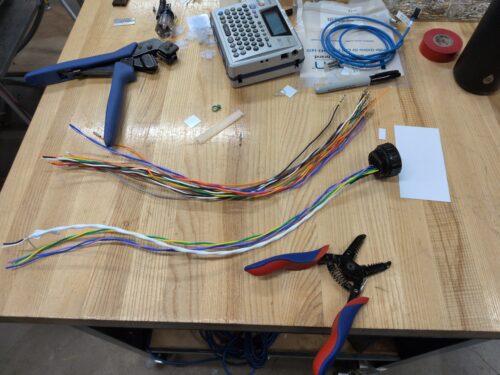
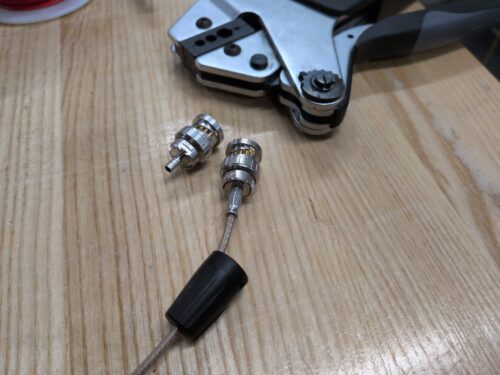
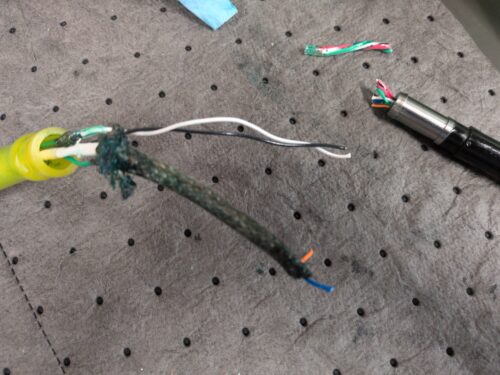
Friday was a mix of tasks. A pair of camera PBOF cables needed shortening to remove damaged sections, with the connectors replaced in the process. The rest of the day went toward finishing up the used cell pallets and getting them secured. Once sealed, the pallets were moved out to clear space in the shop for the following week, when a specialized metrology company was arriving to create a precision 3D scan of the sphere.
Week 17:
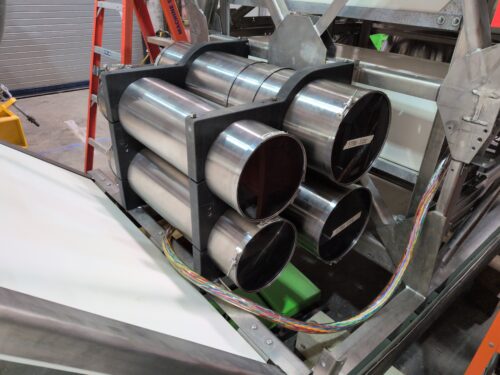
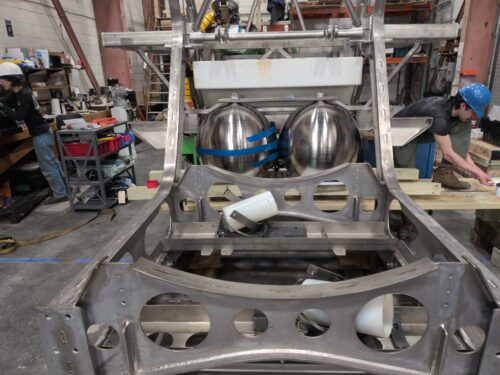
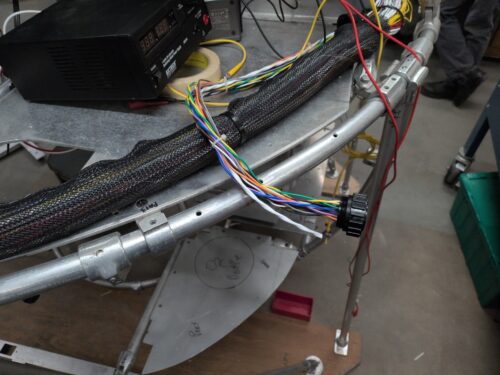
Monday started with installing the I&I bottle housings back into the forward section of the frame. And the sphere wiring harness was craned back to the sphere. Rick is leading the task of re-installing the equipment and harness into the sphere.
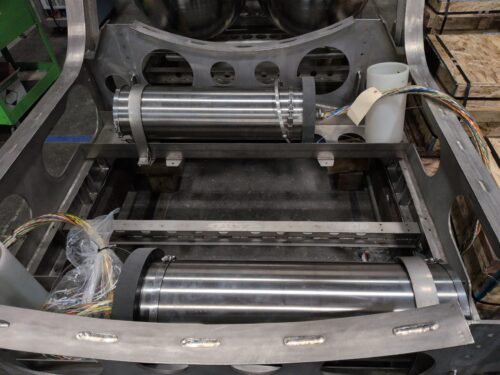
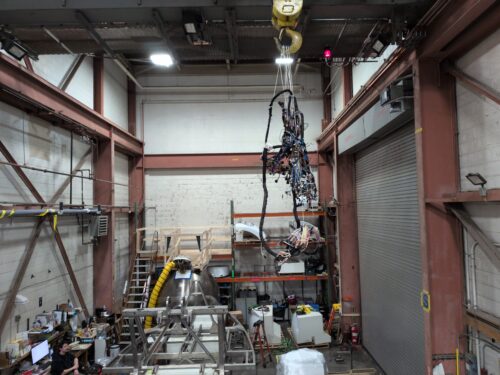
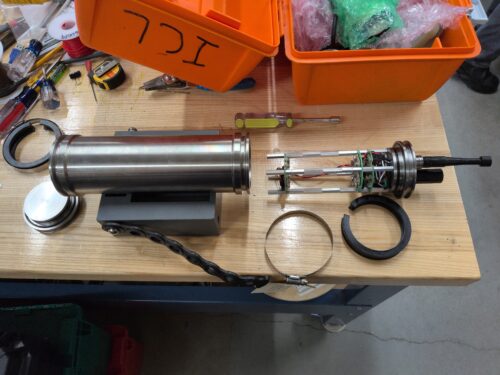
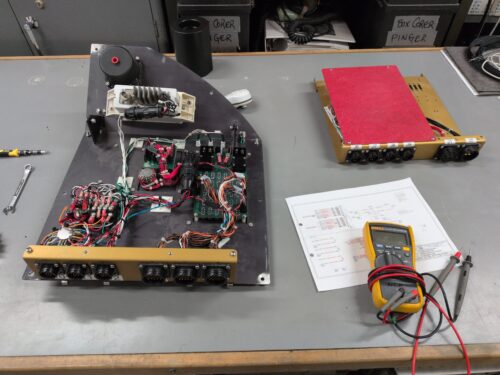
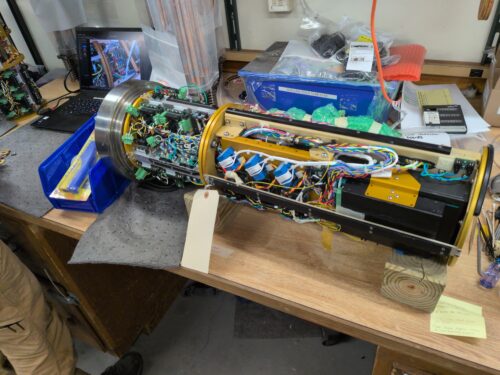
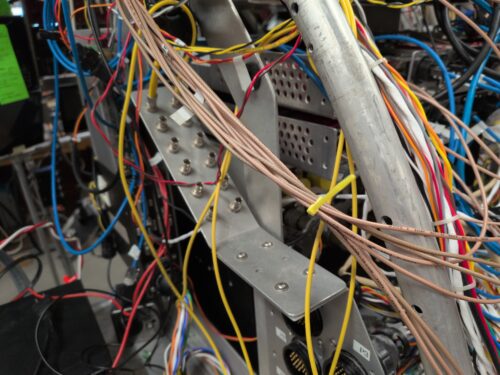
On Tuesday, some minor alterations were made to cables running to various junction boxes. And I joined Scott to begin reassembly of the power bottles. The power bottles consist of a high power side and a lower power side, joined by a middle ring that contains further connections.
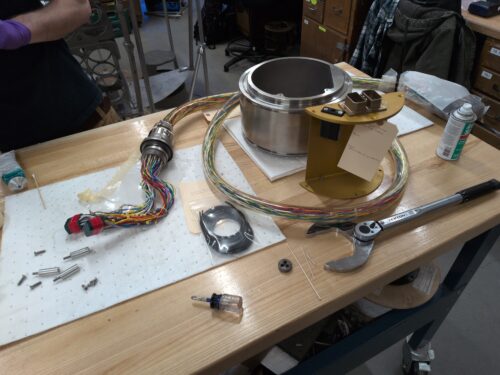
Power bottle reassembly continued through Wednesday.
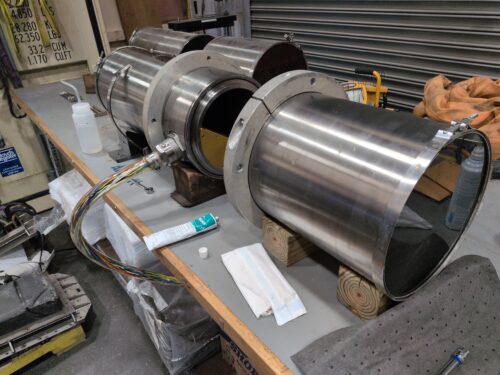
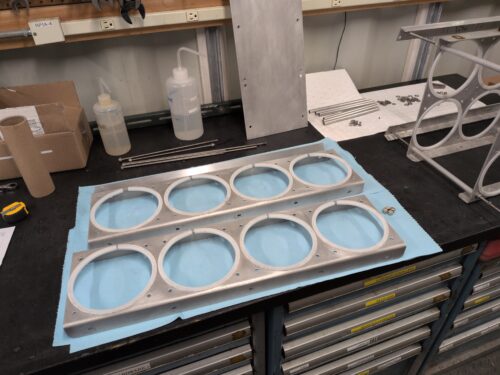
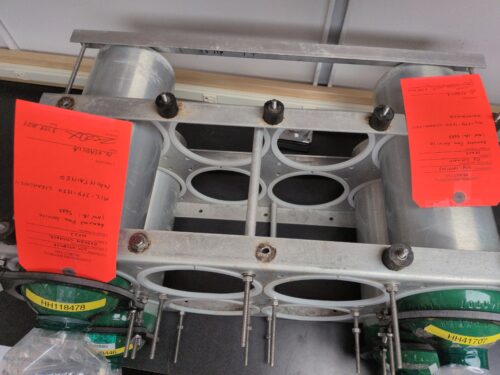
Thursday was spent on the re-installation of the aft bottle rack, which houses the power and data bottles. It needed a cleanup, and several holes were enlarged to better accept the threaded rod that bolts the rack assembly together.
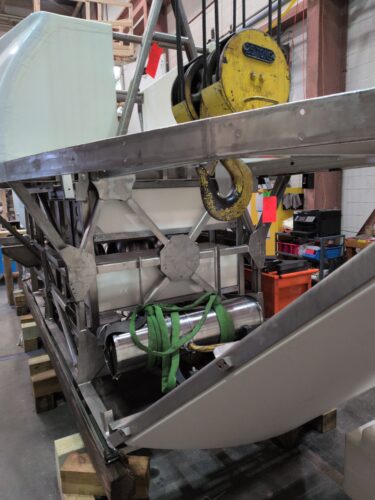
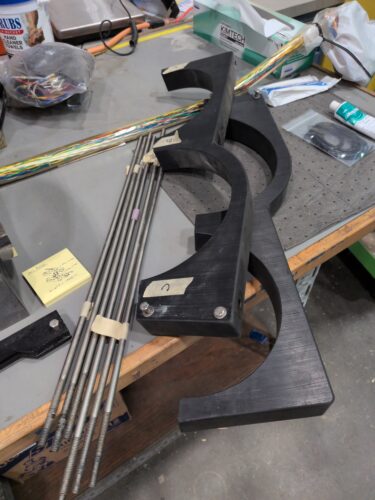
The week wrapped up Friday with finishing the installation of the aft bottle rack and populating the power and data bottle housings into the frame.