

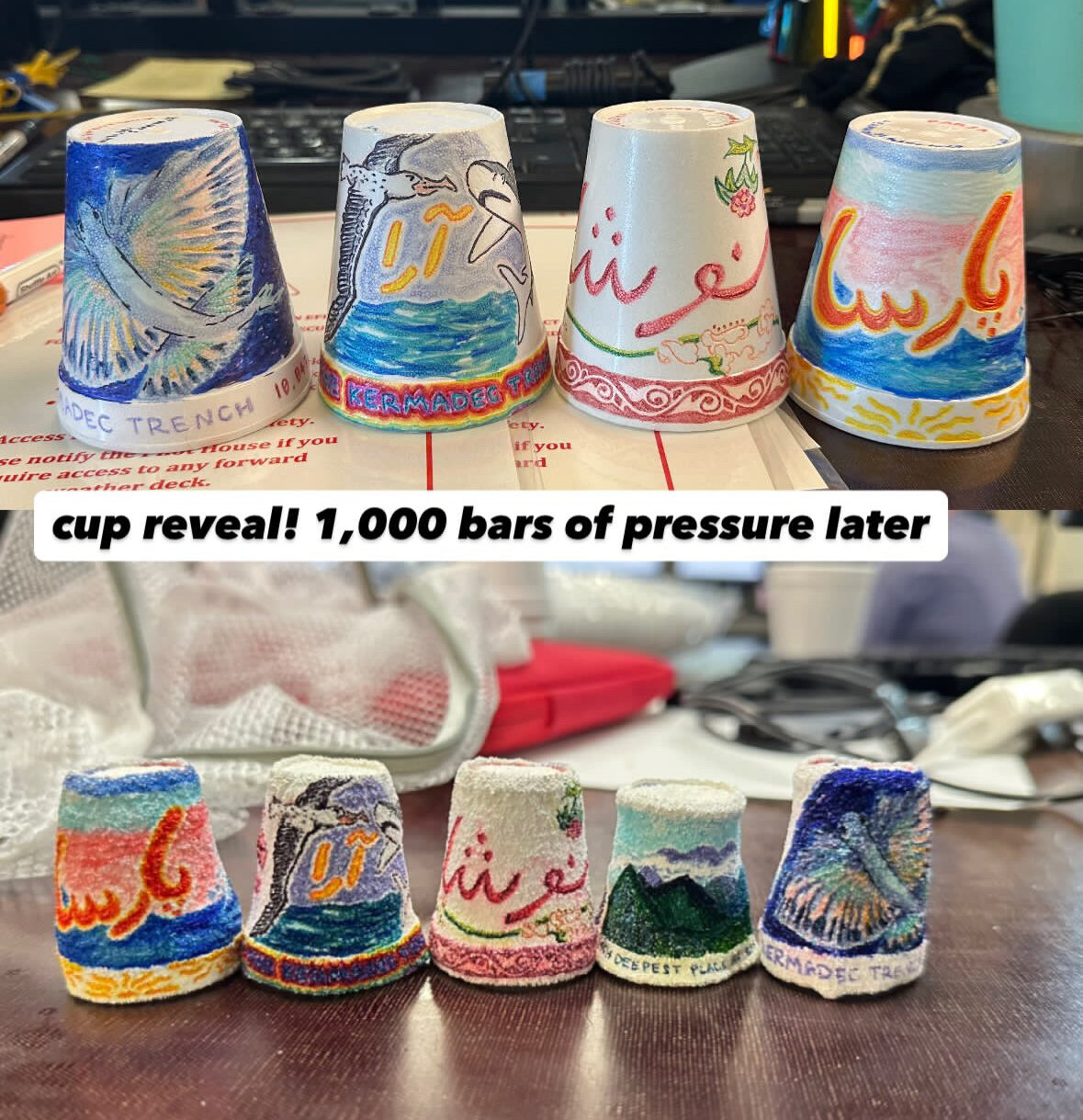
Before heading into Auckland for a short port call, the DAP (Deep Autonomous Profiler) succeeded in multiple deployments surpassing 10,000m in depth. On one of these deployments, we filled a bag full of styrofoam cups, a common practice by sea going marine scientists. Under pressure, these cups shrink, and now I can say I’ve sent cups past 10,000m which is a feat I’m not sure I’ll achieve again as there are only about 3 deeper places in the world.
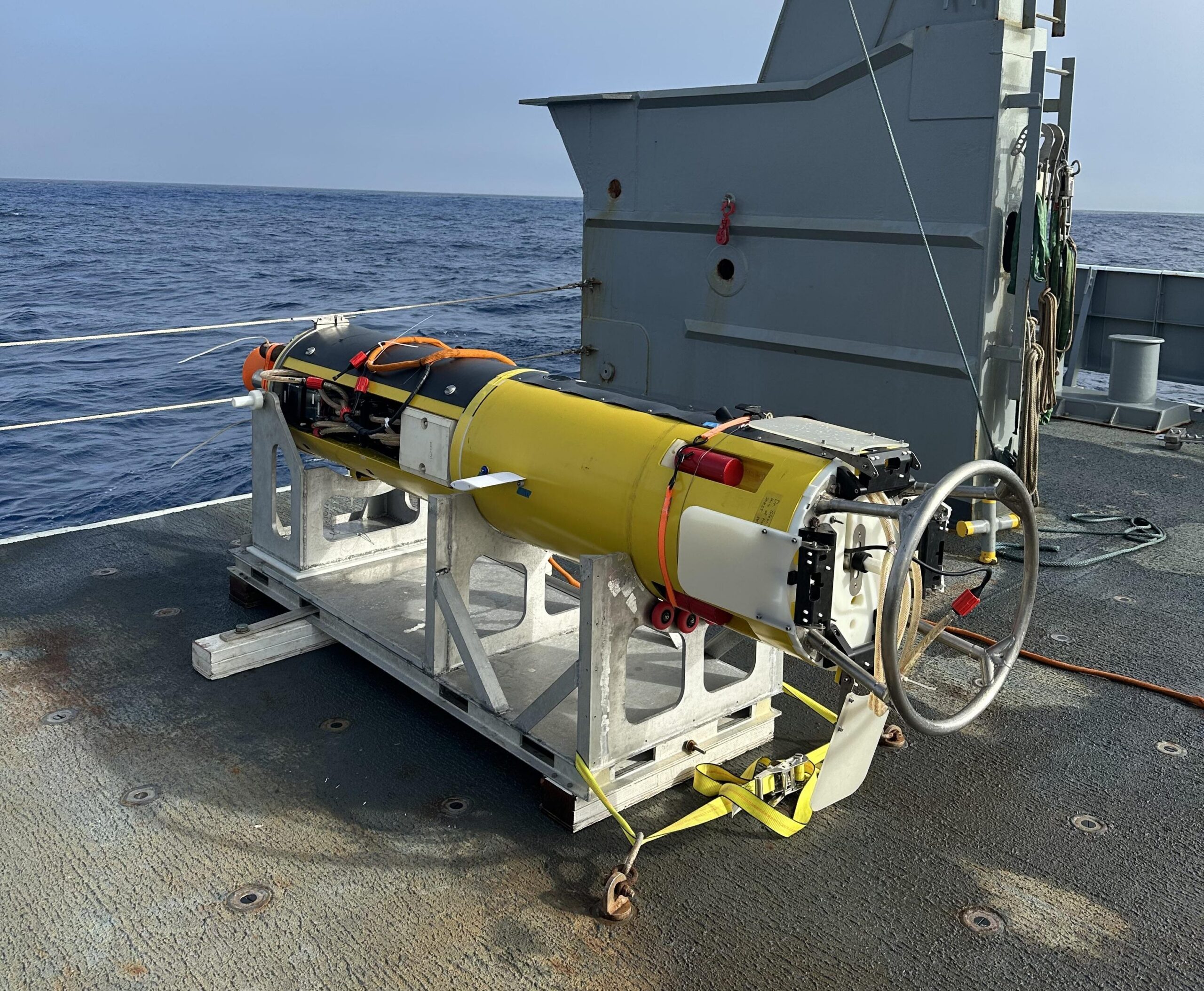
We transited into Auckland to pickup a crucial piece of instrumentation that was delayed in shipping. UH’s HWCP (Hadal Water Column Profiler) will make observations in Tandem with the DAP within the Hadal Zone (>6,000m). We got some first looks of it in action once we got back out to the trench. Due to the nature of the instrument, deployment and recovery must be done slowly. There are shear probes on the bottom which can break just from touch and there are very few areas to grab onto as the profiler needs a slick surface to descend and ascend in the water column the way the scientists intend for it to.
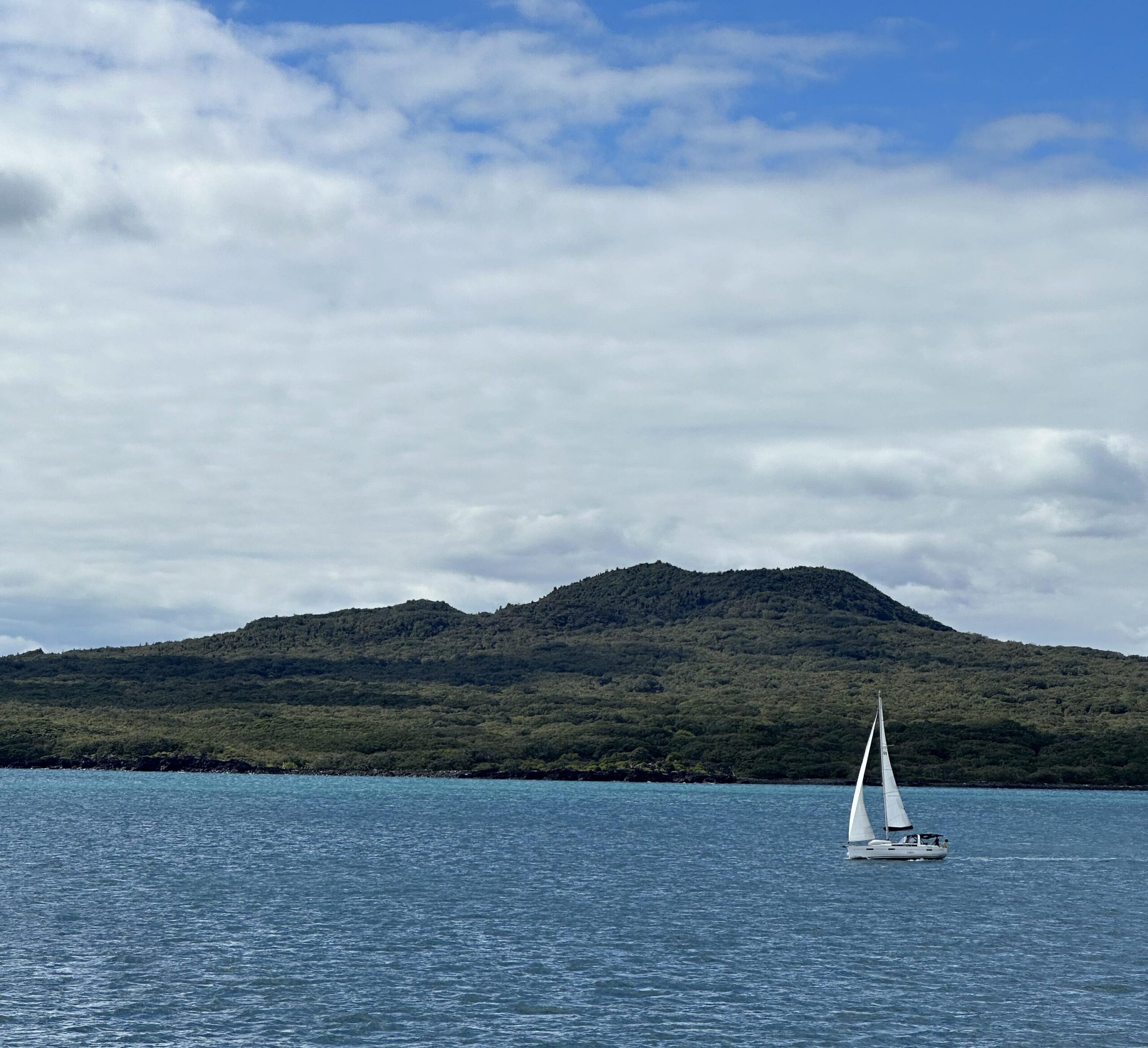
While we were docked in Auckland, I was able to go into town and experience society and nature again. It was the perfect amount of time to take a break from staring at the ocean for a month straight.
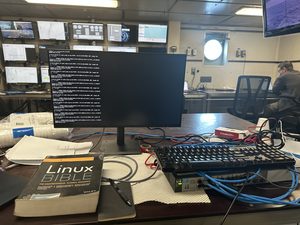
In less picturesque news, Andy has tasked me with learning basic networking using a Raspberry Pi and a network switch. I have been learning how to connect to other devices and send information via a network switch from a Linux-based computer (the Pi) to my Unix-based Mac both connected to the switch with ethernet cables. After learning how to communicate information between the two, I learned how to build and host a local web server that I could connect to from any other device on the switch. These local web servers are used for just about everything on the ship’s network except they can be accessed over the network. I also learned how to receive UDP packets and write cron jobs to parse the information automatically into a usable file. These IT skills are necessary at sea as some ships don’t have a designated IT/ET position and it is the responsibility of the SSSGs to update and troubleshoot systems when necessary, often on Linux-based machines. Lucky for us, there are plenty of Linux books and guides for us to reference as well as hand written documentation on our systems.
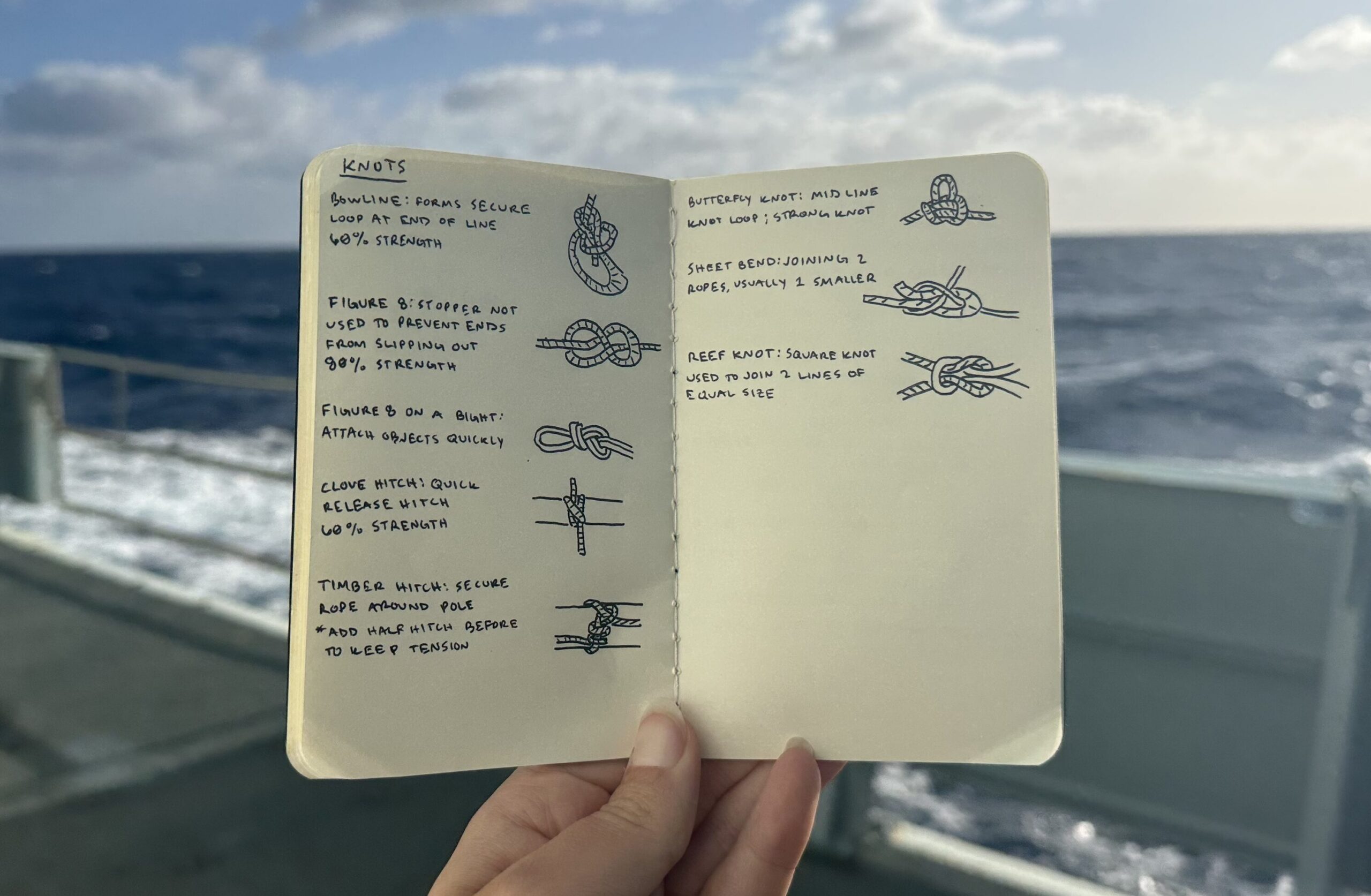
For this second leg we are short an AB meaning the SSSGs are stepping up to complete some deck tasks. Because of this, I have been brushing up on my knots and learning new ones that I can use on the fly during operations. It is important to be able to adjust and step into different roles at any moment on the deck as there are always moving parts and unexpected interruptions.
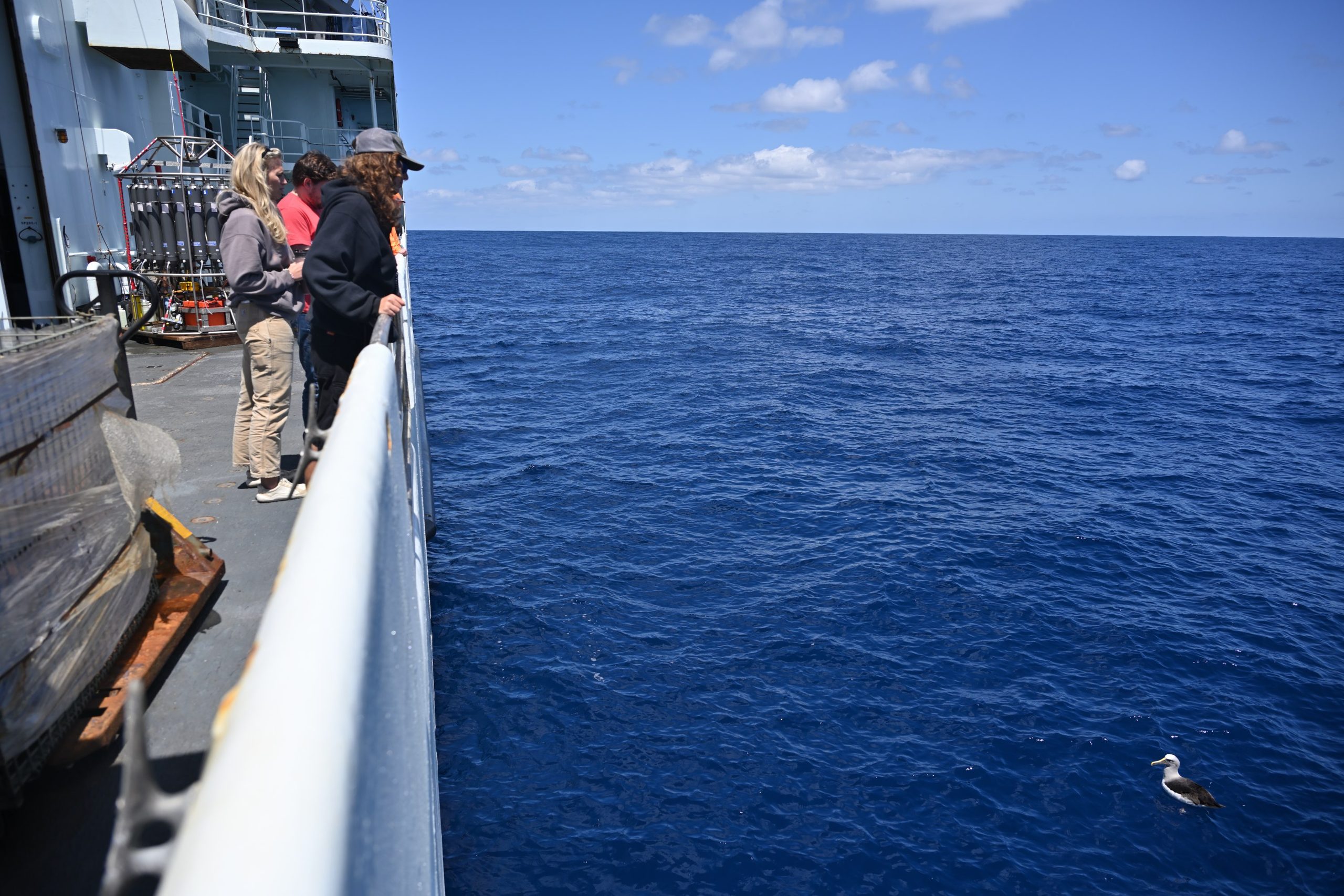
And for this week’s bird photo, we had a Buller’s Albatross camp out off the side of the ship for hours.
Leave a Reply