Category: University of Hawaiʻi at Mānoa, SOEST Page 3 of 5

Week 4: Oxygen and the RV Kilo Moana

Howdy all,

Week four was shorter than other weeks with the HOT team but presented opportunities to review auto oxygen titrators, nutrient analysis, and work on the Kilo Moana.

On Monday, we took a trip to the marine center to calibrate the oxygen auto titrators that are used to analyze oxygen samples during the HOT cruise. This was a great opportunity to review the software/methods that operates this equipment while also learning why the calibration is important and how it is performed. Tuesday we reviewed how nutrient samples are processed and also received an introduction to the total DIC sample analysis system. To finish the week before loading for HOT 346 we worked on the RV Kilo Moana on Wednesday. Aboard the ship we learned new cable splicing methods, how to connect new computers to the ships networking system, and how to perform troubleshooting for the ships sound velocity probe found in the sea chest. 

This week introduced us to more of the research that this time series performs while also giving us the opportunity to foster new technical skills related to work as a marine technician. 

Best,

Hunter

Week 4: Big To-Do List

With the cruise plan pushed back an extra day, we spent extra time in the lab on Monday and Tuesday with last-minute preparations. On Monday, Hunter and I joined the chief scientist, Dan, in the Marine Center Lab. Dan primarily focuses on chemical analysis of the samples we collect on board including dissolved oxygen samples—which can be temperamental. He has an automatic oxygen titrator system that makes it quick and easy to collect great oxygen data on the boat but the machine tends to drift so we need to calibrate it often. Hunter and I assisted with the calibration procedures and competed against each other to see who was the more accurate titrator…it was a tie according to Dan.

The next day, we worked with Carolina in the labs at CMORE to make enriched seawater for the cruise. I was expecting a fancy machine to dissolve the nitrogen gas into the water but was happily surprised that this required more hands-on effort. Colder water holds more gas so we let the bag of filtered seawater chill in an ice bath for an hour before introducing the Nitrogen gas. Carolina then took out a fly swatter and started smacking the crap out of the bag over and over! Hunter and I were cracking up that the method was actually working and didn’t need any fancy machinery, just some built-up frustration to take out on the bag.

On Wednesday, the OTG team invited us to help them onboard the Kilo Moana. James, one of the 3 main OTGs we worked with, escorted us all the way down to the sea chest (unfortunately not full of gold). This adventure took us down 2 flights of stairs and then 2 additional ladders to crawl down to the bottom of the hull. Submerged inside the sea chest is the sound velocity probe. This probe is technically still working but there was serious corrosion around the instrument and James taught us how he troubleshoots these issues with a multimeter. Hunter and I agreed that we still have a lot to learn about electronics and how we can use a simple tool like a multimeter to check connections and dissect the issue. After testing our cabled connections multiple times to be sure, we decided to send the instrument back to the company for them to fix the internal issue.

Upstairs, Ben and Trevor showed us a few more network components and the hot glue method for cable splicing. I am looking forward to being back on the boat in a few days to keep learning from them.

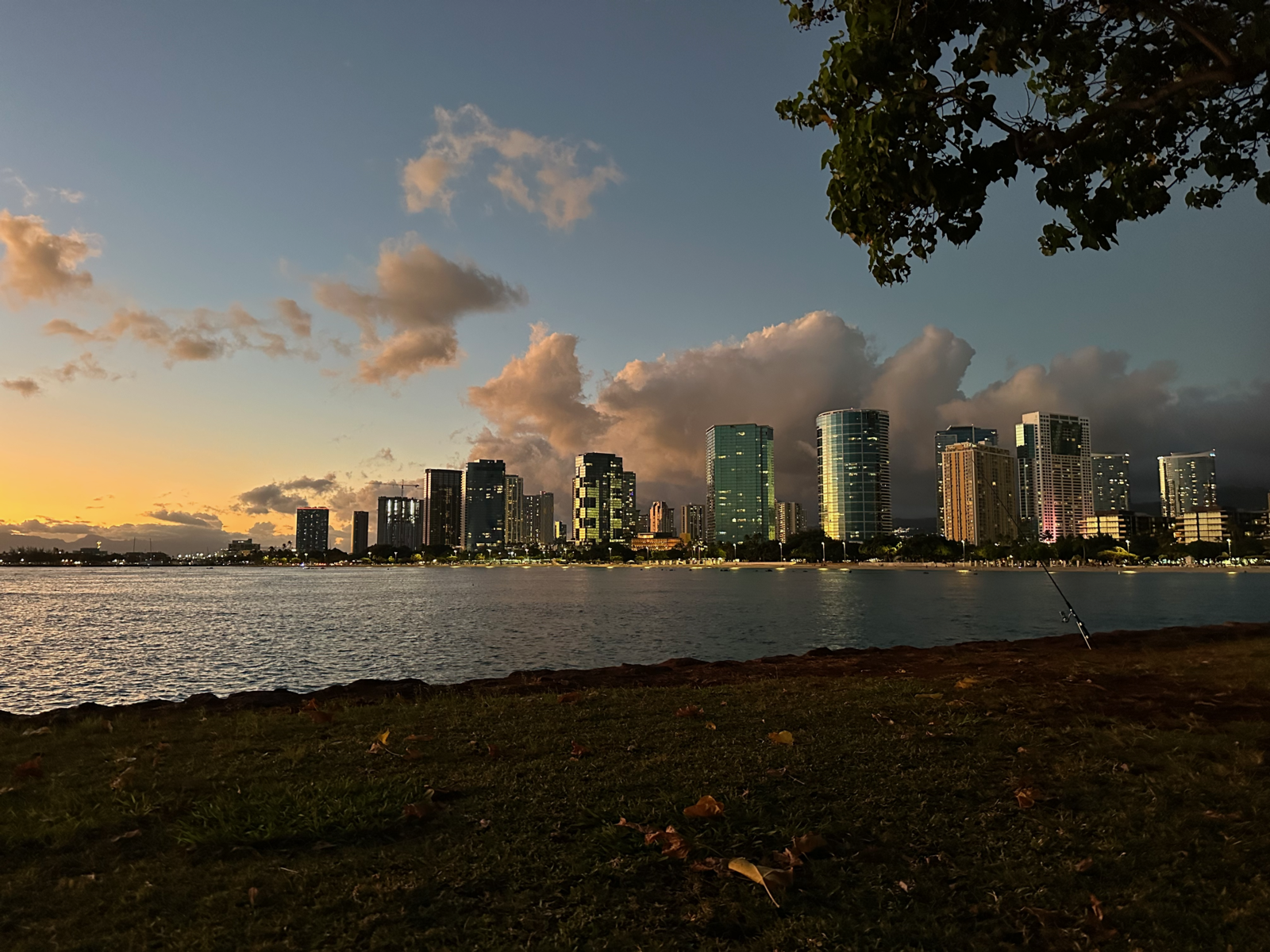
Carolina and Dan gave us the day off on Thursday (our last day on land) to explore. I rented a car for the day and took off East to drive through the Botanical Gardens near Kaneohe which were stunning! After watching the sunset and going for a swim, I returned to the campus housing and packed up for the cruise on Friday.

Loading Day! I am always impressed by how organized and efficient this team is at loading and unloading their boxes and instruments for the cruise. It is seriously one big game of Tetris to fit everything but they have a system down after doing this cruise for 35 years. The weather forecast says to expect some stronger winds this time around so I am looking forward to an exciting cruise to Station ALOHA tomorrow!

Jenn

Week 3: RVTEC and biogeochemical sample analysis

Howdy all,

Week three with the HOT team has been a great opportunity to network with other marine technicians at the RVTEC conference and participate in biogeochemical sample analysis with the HOT team.

To start this week, I attended Cyber Monday at the RVTEC conference and learned about the IT needs and priorities for the UNOLS fleet. This included presentations discussing IT staffing, OmniSOC security solutions, HiSeasNet, and Fortinet. Monday showed me how important IT and networking experience is becoming for marine techs across various institutions. 

The next few days were spent processing and analyzing biogeochemical samples collected from the last HOT cruise. On Tuesday we acid washed sample bottles to prep for the next HOT cruise at the UH Manoa marine center. I was also able to attend an icebreaker event and meet with former MATE alumni and other marine technicians through the RVTEC conference. Wednesday, we processed chlorophyll samples using a fluorometer and uploaded the raw data to a processing spreadsheet. Thursday, we processed particulate inorganic carbon (PIC) samples by dissolving the collected carbon on filters and recording the subsequent CO2 raw data. 

To finish the week I was able to attend a serial communications and electronics workshop with Tom Wilson at the RVTEC conference. These workshops were a great introduction to these topics and provided many resources on better learning these topics.

Overall, I appreciated learning about the science that we were contributing to as marine technicians and I enjoyed the opportunity to meet other marine technicians at RVTEC.

Best,

Hunter

Week 3: Conference and Calcium Carbonate

The stars aligned this week with the annual RVTEC conference in Honolulu while Hunter and I are on land here in Oahu. Our mentor, Carolina, was incredibly generous and let us attend the conference on Monday and Friday of this week to learn and meet marine technicians from other UNOLS ships. The first day of the conference was exciting and intimidating all at once. The theme of the day was cybersecurity and networks which was almost entirely new information for me but it was great to learn where the field is going in the future.

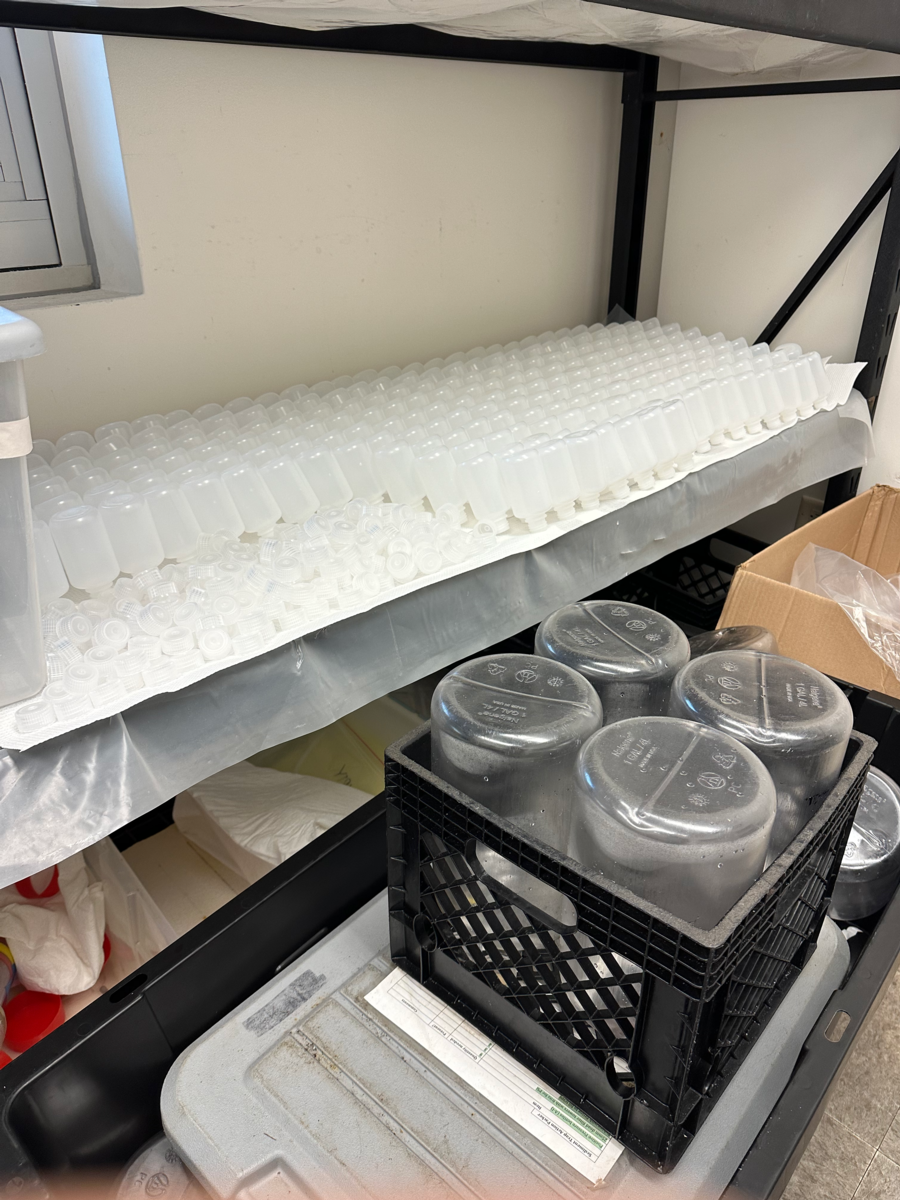
On Tuesday, Hunter and I helped Brandon clean most of the sampling bottles from HOT 345 in preparation for next week. We worked through the pile of bottles, rinsing each with a hydrochloric acid solution and then deionized water to ensure any microorganisms were all rinsed out and would not contaminate our new samples next week.

After our day of lab work, we rejoined the conference networking event in the evening. I loved meeting techs from other ships and hearing about their experiences as MATE interns and how they transitioned to a job afterward. Connecting with the alumni and current techs from boats like Scripps and WHOI has been a highlight of my internship. I feel reassured that this is the right path for me and it reinforced my enthusiasm to start applying for marine tech roles on these ships when I return home.

On Wednesday, we worked in the CMORE (biogeochemical research) labs on campus with Brandon analyzing chlorophyll samples with the fluorometer. The instrument we used was built in the 80s and is incredibly accurate and reliable…however, it took almost 3 hours to analyze a single rack of samples. Sometimes the older technology has pros and cons.  

After work, we attended the conference dinner at the Waikiki Aquarium which was unbelievably beautiful! The dinner was wonderful and I loved meeting even more people in the community including a technician visiting from Australia. It warms my heart to see a community of people who usually are all working in different oceans of the world all gathered in one place.

Thursday was our particulate inorganic carbonate analysis day. This was my first time doing a gas analysis to measure the CO2 as a proxy for the calcium carbonate in each sample—very cool! Hunter and I spent the afternoon carefully working through each sample from our sediment traps. It is amazing to see the data after everything is analyzed because you can gain more context for the work we do out at sea. The magic is absolutely in the data we collect and it is even more rewarding to collect samples at sea when you have the bigger picture in mind.

Our final day this week was a half-day attending the intro classes by Tom Wilson at the conference. Even though these classes were a bit more intense than I expected, I still learned a ton about electronic design and serial communication. I am excited to continue learning independently online and out in the field in my first job. One of the biggest takeaways from the week at the conference was that everything is specific to each ship. I can barely contain my excitement to get started in this world and learn how these systems are tailored to the next boat I have the opportunity to work on.

I’m looking forward to another week on land preparing for the HOT 346 cruise departing next Saturday!

Jenn

Week 2: Processing, splicing, and maintaining

Howdy all,

Week two with the HOT team has managed to equip me with a greater understanding of how CTD data is processed, new equipment is made in preparation for research cruises, and instrumentation is maintained between cruises. 

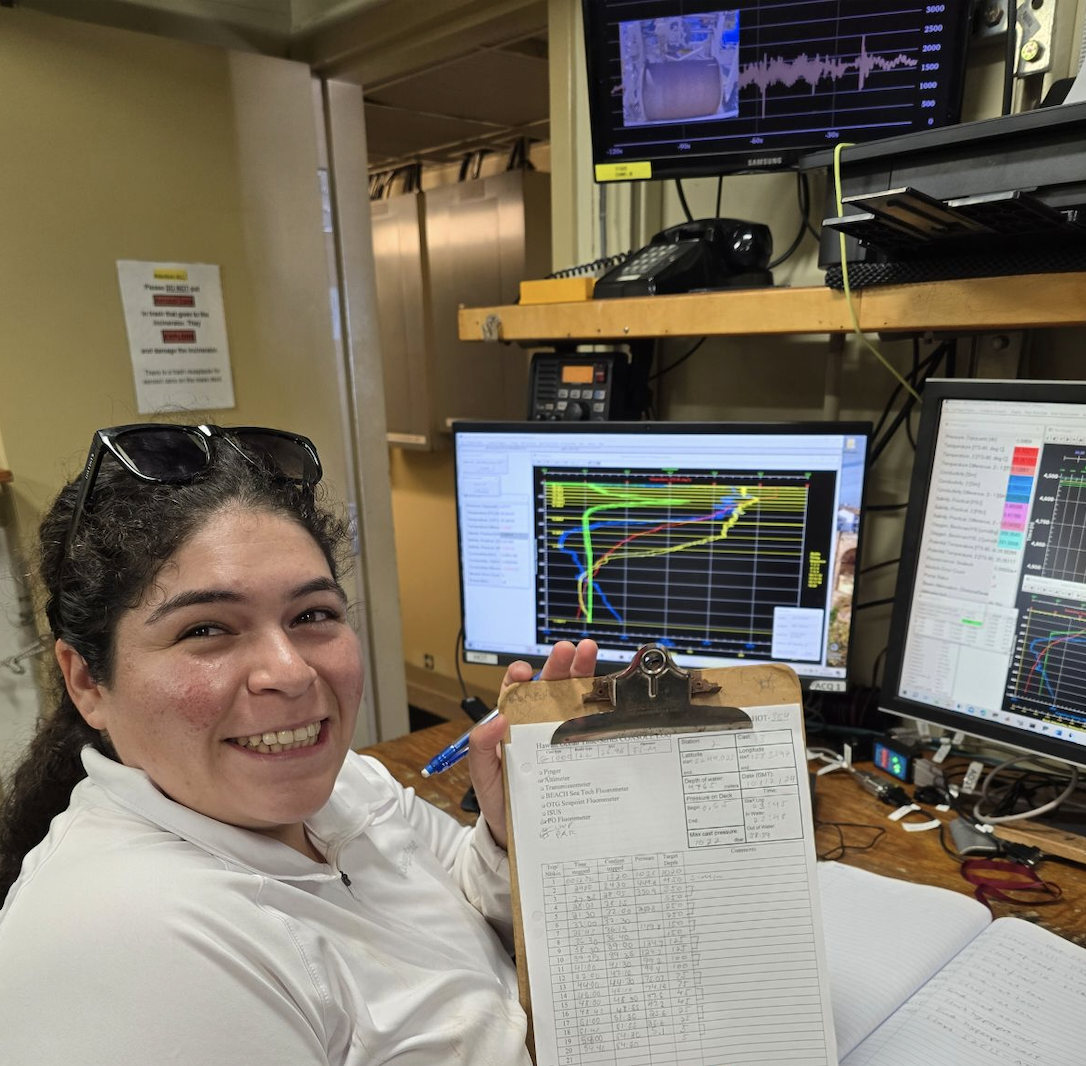
On Monday we learned how the Hawaii Ocean Time team processes their CTD data by following a standard processing procedure after each cruise. This procedure involves removing duplicate data points, binning data, and communicating with databases to store the roughly processed data. After this is completed, a series of quality control checks is performed by the HOT team research associates and data reports are generated. The majority of this processing is fully automated using a mix of MATLAB, Python, and Bash scripting. After learning how HOT processes their data we were introduced to the Seasoft method of CTD data processing and learned the advantages and challenges of converting to this processing system. 

On Tuesday we learned how to properly splice different CTD-sensor connecting cables together for the next HOT cruise. With this introduction, we checked wire continuity, soldered connections, and properly waterproofed the connections to handle extreme pressures and temperatures. On Wednesday we disassembled, inspected, and cleaned a Seabird carousel. We learned how the device worked and the common maintenance checks that should be performed after each cruise to ensure its continued operation. On Thursday, we learned how to horizontally plumb a backup CTD to ensure that the temperature, conductivity, and oxygen sensors work properly. We also disassembled, inspected, and cleaned a LADCP system and learned how its data is recorded. 

Come Friday, we took a trip to the University of Hawaii Manoa Marine Center to install the new carousel on the HOT rosette, disassemble the Niskin bottles, and test new CTD orientations and mounting ideas. 

Overall, this week was a great introduction to new equipment, data processing best practices, and hands-on technical experience!

Best,

Hunter

Week 2: Technically Speaking

We are back on land this week to help Dan and Carolina in the lab. And with a view like this on my commute across campus, I cannot complain!

This past week we focused on physical oceanography with our mentor Dan. He worked as a marine technician on board the R/V Kilo Moana for 10 years before joining the HOT team so he is the go-to guy for marine tech questions! The first job for the physical oceanography team is analyzing the salinity samples we collected on the cruise using the Salinometer. Fernando explained how the instrument works and that it can be sensitive to changing temperatures in the room so we had not one, not two, but three different thermometers to ensure our samples stayed cool. It was high maintenance!


Fernando was also great at explaining how the team processes most of their CTD data. He broke down their methods and how they have stayed consistent in creating their time series over the last 35 years of the project—everything must be consistent! He gave us great resources to continue learning about data processing on our own time and I am looking forward to practicing my coding skills in my free time.


Back in the lab with Dan, we helped splice cables and switch the CTD configuration from vertical to horizontal. It was surprisingly difficult to move the oxygen sensors and tubing to a different position while still ensuring that water could flow without issues. There is a ton of detailed thinking that goes into how these systems operate and whether the data could be significantly affected by repositioning the instruments. This next cruise will be the second test run to see if the data is heavily impacted but we have faith in the new system because most other UNOLS ships use a horizontal configuration.


Thursday and Friday consisted of taking things apart to see how it works and putting it back together again. First up was the LADCP which is similar to the ADCP we would see on most ships. It was much heavier than I thought it would be and the circuitry was cool to see. Then, we fixed up a new carousel to replace the old one.


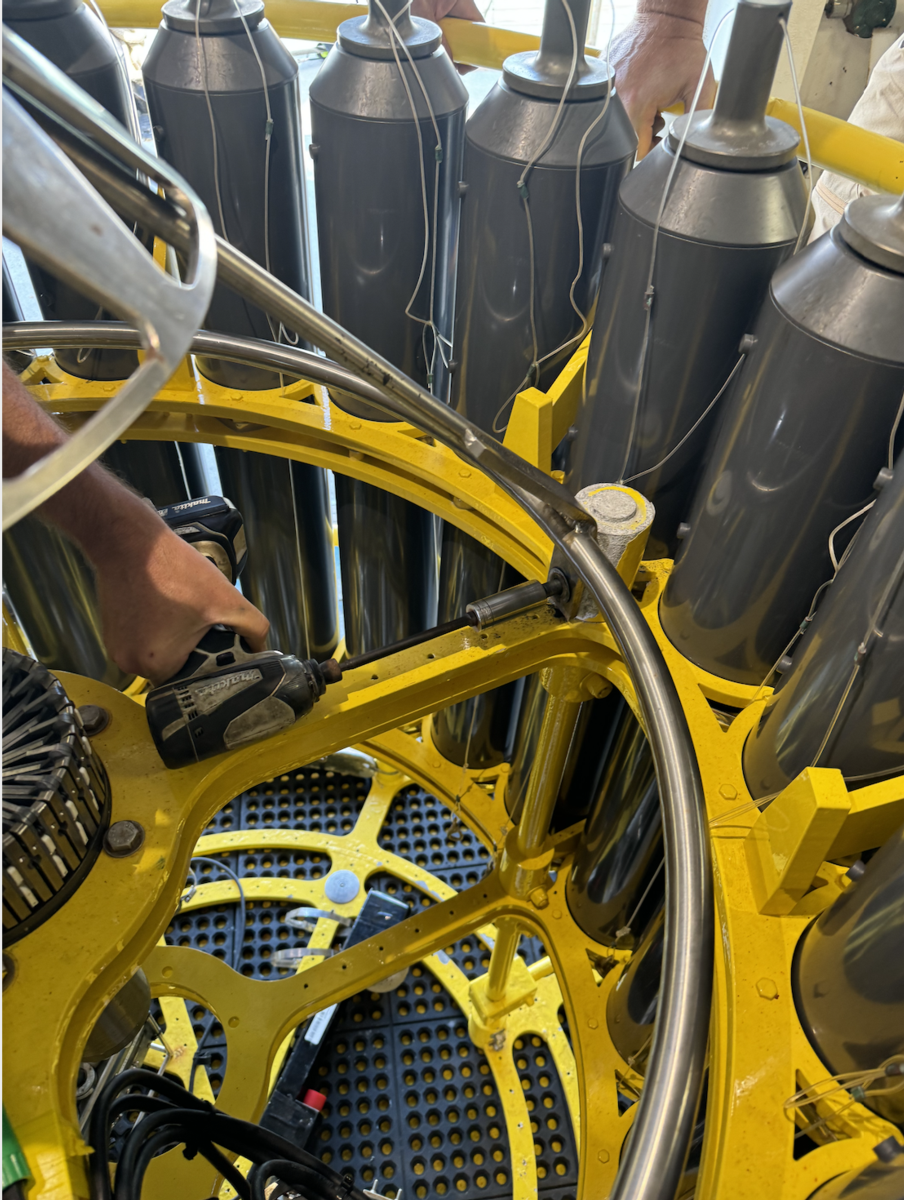
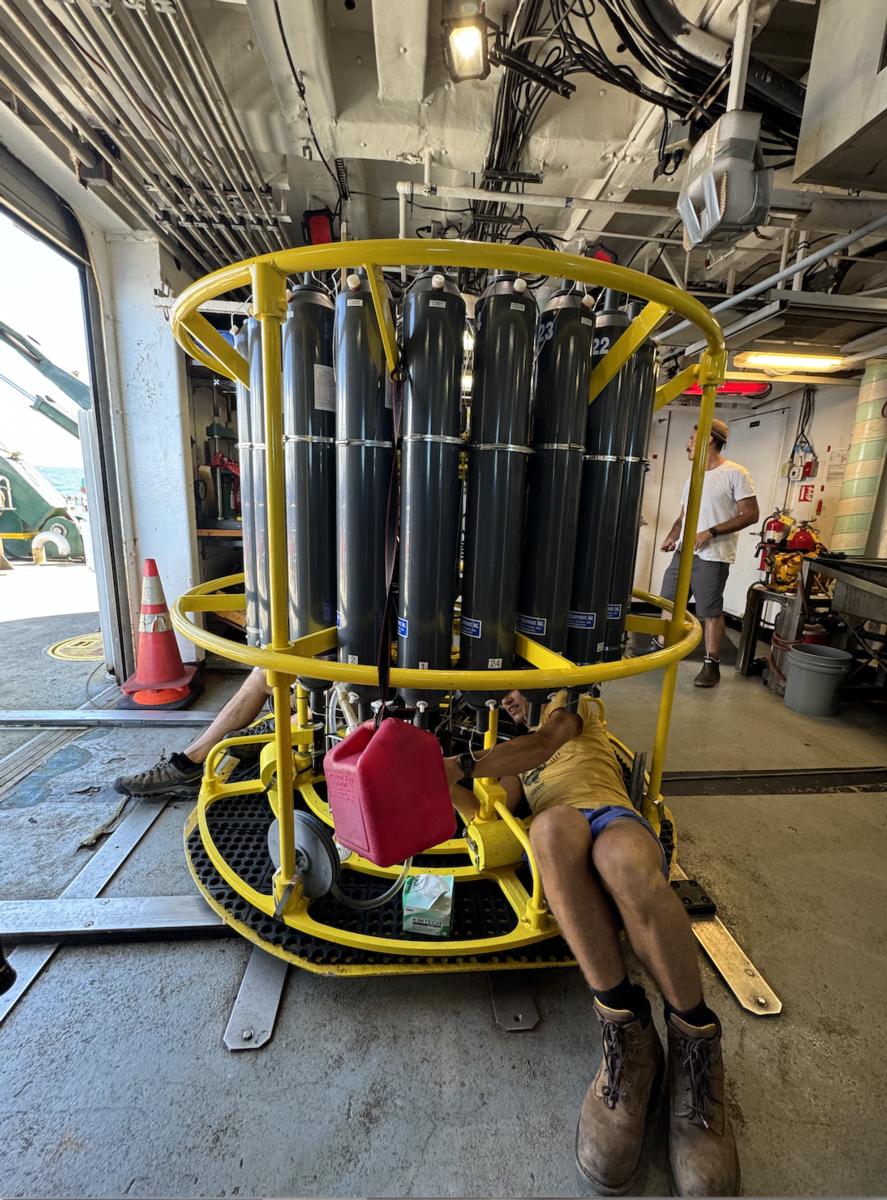
On Friday, we took a field trip to the marine center to work on the CTD rosette and take apart a Niskin bottle. Hunter and I took turns un-hooking the spring inside each Niskin (an often-neglected part of maintenance between cruises to prolong the lifespan of the springs). We were able to replace the carousel inside the center of the rosette with our newly fixed version. Accessing the screws to this part of the rosette is deceivingly difficult. I could not reach them by climbing on the top (this was clearly designed by a man with longer arms). Instead, I had to crawl under and inside the rosette like a rock-climber to unscrew the old parts. Dan said it is even more tedious on a moving ship but that maintaining the rosette is a huge part of a marine tech’s job.

This week with Dan was an incredible opportunity to learn more technical skills and do some hands-on maintenance that marine techs would do post-cruise. I cannot wait for next week with Carolina!  

Jenn

Week 1: Working at sea is HOT (Hawaii Ocean Time-series)

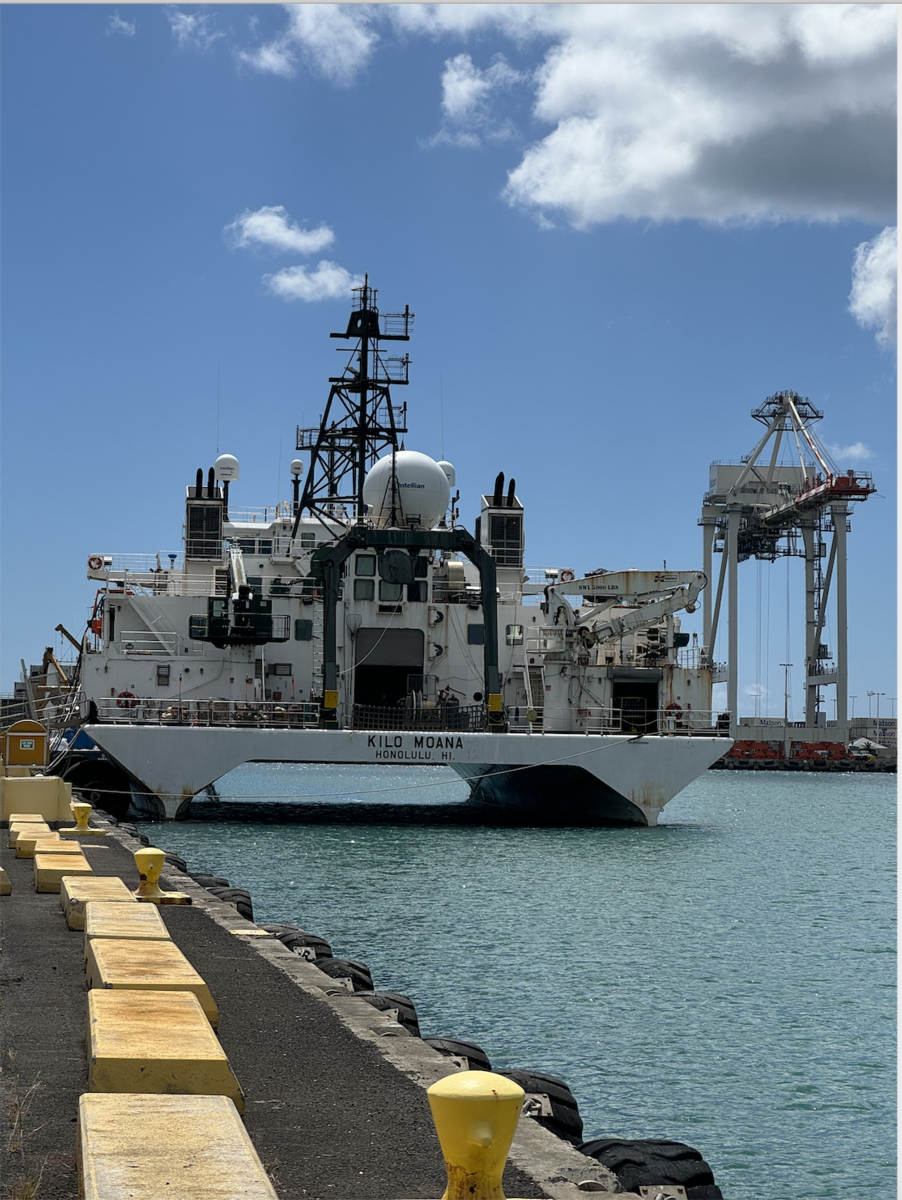
After leaving the rain behind in Seattle, I was thrilled to arrive in a sunny and warm Honolulu last week! My first stop was the R/V Kilo Moana to drop off my bags and get situated in my room on board.

The chief mate, Jamie, gave me a fabulous tour of the ship and introduced me to almost the entire crew. After my intern partner, Hunter, arrived and settled in, we took an Uber to Waikiki and spent the afternoon lounging on the beach before a busy work day on Friday.

The next morning, we woke up bright and early for the 6:30 am breakfast call and fueled up for Loading Day. Vans full of sensors and lab equipment pulled on to the dock ready for our help to set up the science labs on board. We carried box after box and carefully stowed them in their designated spaces in each room. The whole loading process was incredibly organized and efficient. This was the 345th HOT cruise so they’ve got a routine down by now! We finished up after a few hours, ate lunch and headed back to the beach to enjoy our last few hours on land.

…And we’re off! We left port on Saturday morning around 9:00 am headed for our first station of the cruise at Kahe just off the coast of Oahu. I helped Hunter and Dan prepare the first CTD cast and then headed to bed after my shift ended at 3 pm. Hunter and I split up the day in shifts-I have the morning shift from 3am to 3pm, he covers the evening, and we will switch for the next cruise in November.

2:15 am. Rise and Shine! The first task of the day was recovering the primary production CTD cast and collecting water for the primary production array. The hard part? We have to collect it in the dark. Any white light could cause a spike in biological activity before we deploy the array. Luckily, we use these groovy red lights while we filled up the big jugs. The rest of the day included a trace metal cast, hyperpro and net tow before our big transit out to Station ALOHA.

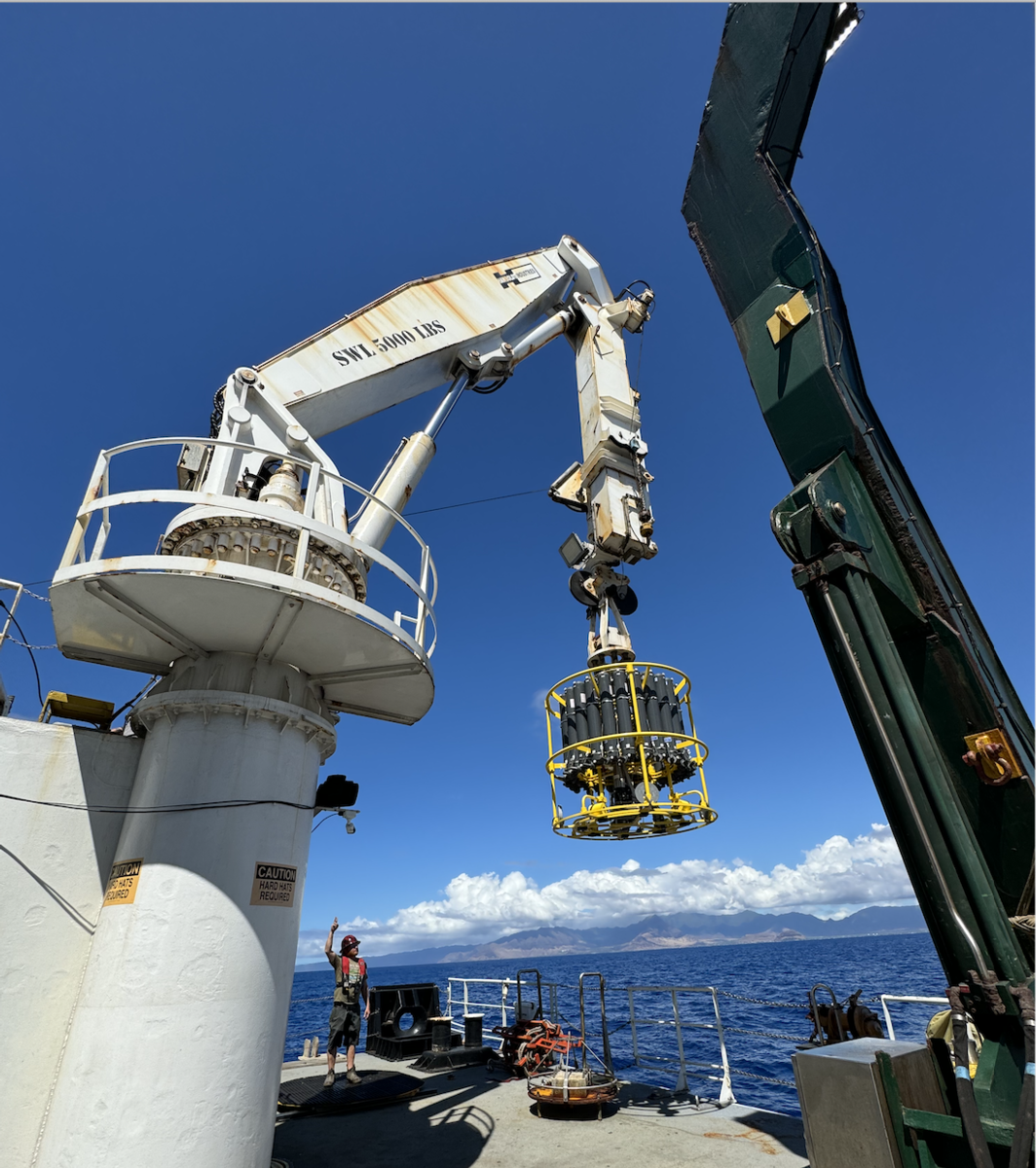
The following day started with a tense moment when the hydraulics on the Hawboldt CTD winch failed, spraying oil on deck. Big efforts by the science team and crew were made to move the CTD casts to the A-frame which involved re-terminating the CTD wire and moving the CTD rosette into the staging bay–both deceivingly difficult to do. Many hours later, the other winch failed too. Ultimately, the team fixed the original winch and moved everything back to its original position.

The rest of the cruise was fantastic! I was so excited to help recover the sediment traps and the gas array. Dan gave me a shot at throwing the grappling hook around the floats in the water (which is much harder than it looks) and we eventually got it back on deck.

The two marine technicians on board were amazing resources to learn from too! Trever walked me through the steps for CTD cast deployment and recovery, teaching me all of the hand signals to communicate with the winch. Then, to my surprise, he handed ME the walkie-talkie and said “you try!” That was the highlight of the cruise. I loved stepping into the shoes of a marine technician and communicating with the winch and the bridge to conduct a safe and successful deployment (and then recovery too).

On our way back into port, we watched the most amazing sunrise over Oahu, silhouetting Diamond Head in the distance. The clouds never fail to amaze me in Hawaii.

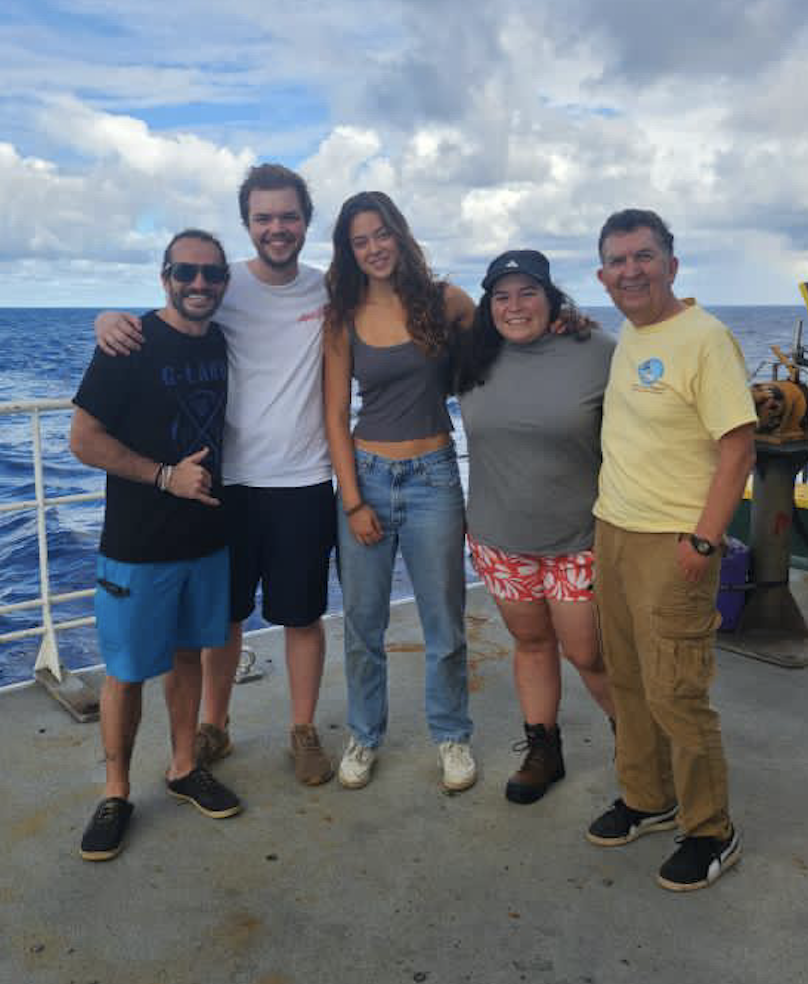
When we arrived in port on Wednesday morning, the whole team quickly packed up boxes and sensors back into vans to drive back to campus. Hunter and I did our best to help Dan unload all of the equipment and stow it back in the lab on land. We settled into our respective apartments here on the UH campus and went back the next day to continue helping Dan with post-cruise tasks like making new cables and organizing all of the cruise notes.

I cannot wait to keep learning from Dan and Carolina for the next few weeks on land. There are plenty of samples to keep us busy before we prepare for HOT cruise 346 in November!

– Jenn 🙂

Week 1: R/V Kilo Moana, HOT 345

Howdy all,

This first week in Hawaii has already been an invaluable experience in helping me understand the role and responsibilities of a marine tech in contributing to a vital oceanographic time series. 

For the first two days of my internship, I was able to spend some time aboard the R/V Kilo Moana where I got to meet the crew and better understand the ship itself. While loading and preparing for HOT 345 with the science team, I learned how a CTD termination is performed, a basic job requirement for any marine technician. After helping the science team and crew pack for the cruise we were off to Station Kahe the next day to weight test the Hawboldt LARS wench system, perform a Hyperpro cast, CTD cast, and a trace metal cast. Even on the first day of the cruise, I was already being exposed to new scientific equipment and sampling techniques. After performing these preliminary tests and sampling we were off to Station Aloha, the primary sampling site for HOT cruises.

At Station Aloha I was introduced to even more new equipment and sampling techniques while learning about directing deck operations and getting to know my cruise mates better. The cruise was business as usual until there was a malfunction in the Hawboldt hydraulics system forcing the rosette and CTD to be moved to an alternative tension-based wench system that routed through the ship’s A-frame. Unfortunately, soon after this new wench system was set up it also malfunctioned when proof of tension was not maintained for the system, forcing the repair of the original Hawboldt system. This series of events required a new termination and hours of work, wasting valuable ship time. While this was not an ideal situation, it showed that anything can go wrong on a cruise and that complex problem-solving is a requirement for a marine tech. In this way, it was a valuable learning experience for me. 

The rest of the cruise remained relatively uneventful, and I was able to learn about computer networking systems and using Linux from one of the marine techs as well as discuss what a career as a marine tech might look like. We were able to complete our sampling at Station Aloha, the WHOTS mooring, and Station Kaena and return to Honolulu without any other issues. I am excited to continue updating this blog with the new skills and experiences I gain over the next week working with CTD systems and processing data.

Best,

Hunter


Week 0: Introduction

Hi Everyone!

My name is Jenn Willson and I am very excited to join the HOTS team this week on the R/V Kilo Moana as a MATE intern. I recently graduated from the University of Washington with a B.S. in Oceanography. In my time at UW, I worked as a research assistant with the Ocean Observatories Initiative where I spent two summers on board the R/V Thompson performing maintenance on the Regional Cabled Array. In my senior year, I worked at the Applied Physics Lab with the NW Environmental Moorings Team where I gained more technical experience. Both of these experiences inspired me to continue learning about marine technology as a MATE intern this fall!

I am incredibly grateful and excited for the opportunity to join the team of the R/V Kilo Moana for two research cruises this October. I’m looking forward to writing all about it on this blog in the coming weeks!

Jenn

Week 0: Pre-Internship Introduction

Hello everyone,

My name is Hunter Adams and I recently graduated from Texas A&M University with a BS in Oceanography and MS in Business. During my time at TAMU, I dedicated three years to researching methane and nitrous oxide concentrations in the northern Gulf of Mexico and participated in multiple research cruises as a result. Additionally, I spent two summers working at Los Alamos National Laboratory, where I studied reduced biogeochemical modeling for the Arctic region. Through these experiences, I’ve developed a special appreciation for ocean research and the importance of shipboard operations in generating consistent datasets for researchers. Outside of studying salty water some of my hobbies include riding motorcycles, spelunking, camping, rowing, and anything that gets me outdoors!

Now, I’m excited to embark on a new adventure by joining the Hawaii Ocean Time-series (HOT) program at the University of Hawaii at Manoa. This opportunity allows me to combine my interests in fieldwork and ocean biogeochemical research while learning the essential skills needed to become a successful marine technician. In just three days, I’ll be on the R/V Kilo Moana in Honolulu to prepare for the upcoming October HOT cruise. I’m excited to finally meet the crew, my internship mentors, and my fellow MATE intern in person after months of planning.

Over the next month, I look forward to keeping you all updated through these blog posts, sharing the incredible experiences and knowledge I gain during this exciting internship!

Special thanks to Dr. Shari Yvon-Lewis, Dr. Chrissy Wiederwohl, Dr. Nicole Jefferey, Maria Osiadacz, Carolina Funkey, Dan Fitzgerald, and everyone who made this all possible.

Page 3 of 5

Powered by WordPress & Theme by Anders Norén