Category: Columbia University, Lamont-Doherty Earth Observatory Page 5 of 10

WEEK 1 – Sailing the South Atlantic

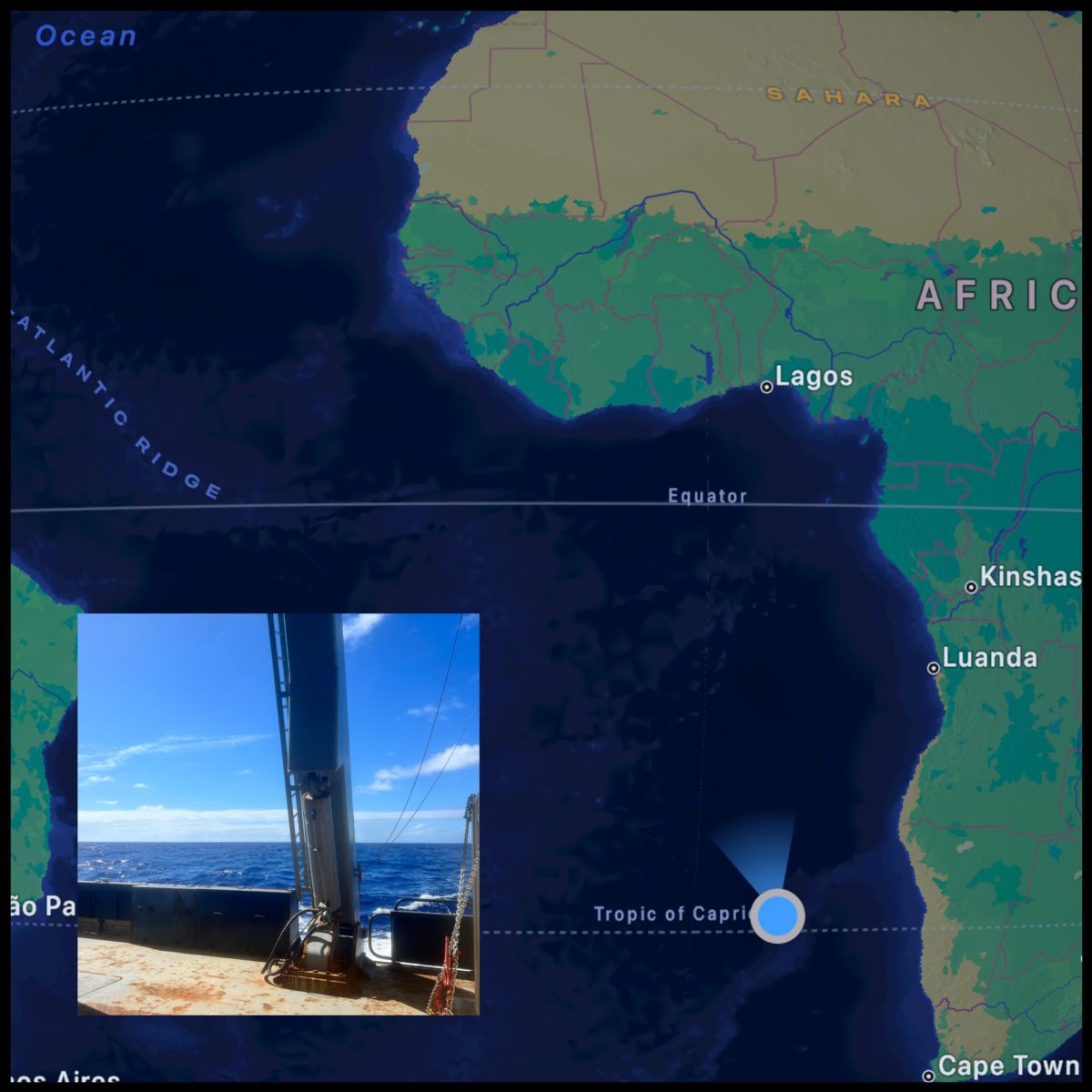
After flying several hours from Alaska to lower-America, then several more hours over to east-America, then flying 14 more hours over the oceans… I finally made it to Cape Town, South Africa on the afternoon of April 27. After a quick tour of the RV Marcus G Langseth, I unpacked only critical items and fell into a well-deserved slumber in sleep cavern #103. 

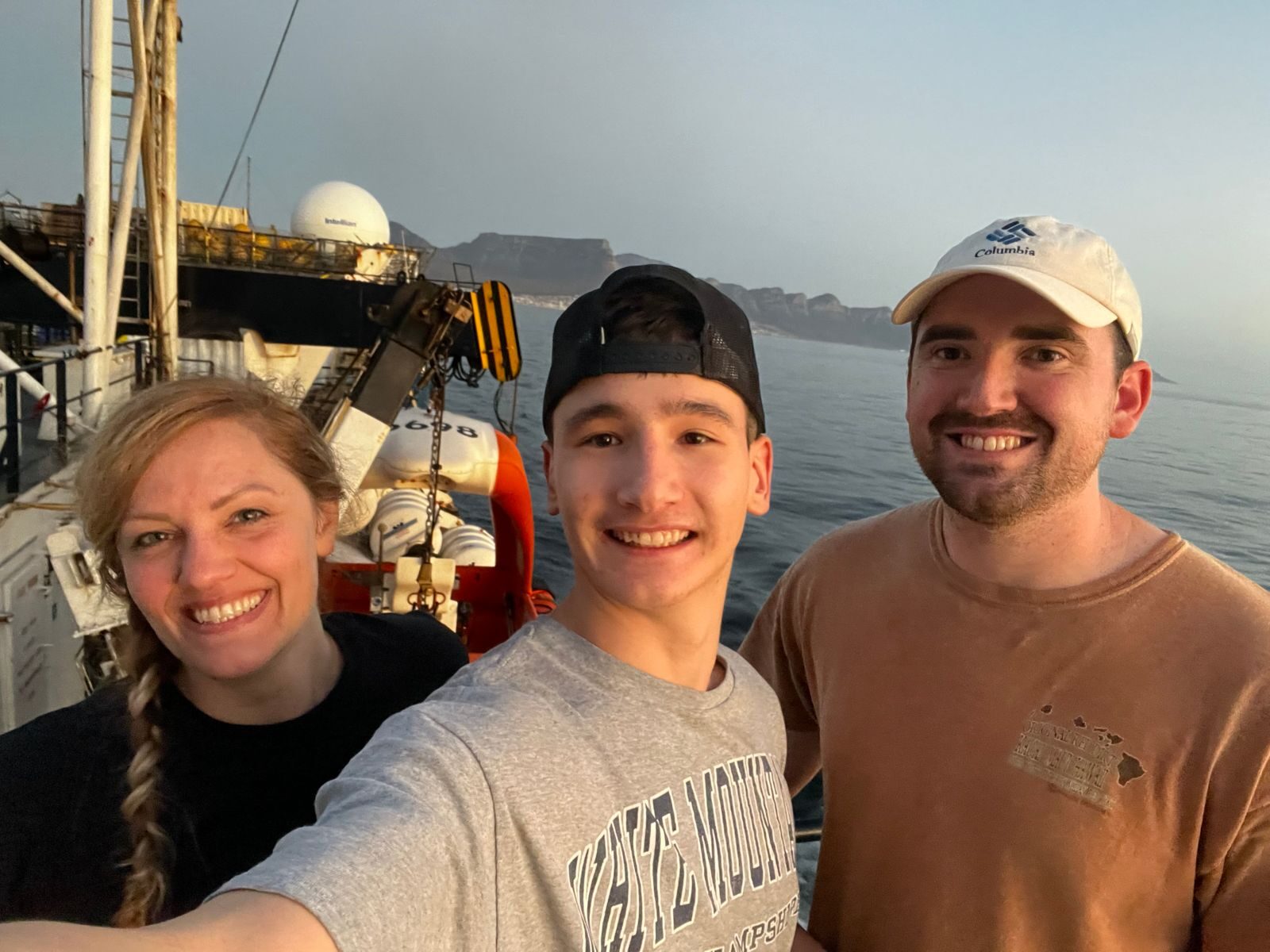
April 28: After a generous tour of the 230ft seismic vessel, the other interns (Ray & Colton) and I headed out to explore Cape Town. It turns out that it’s helpful to have the Uber app. Maintain your app, do not be me. We toured the wharf and shopping area, locally known as the V&A Waterfront.

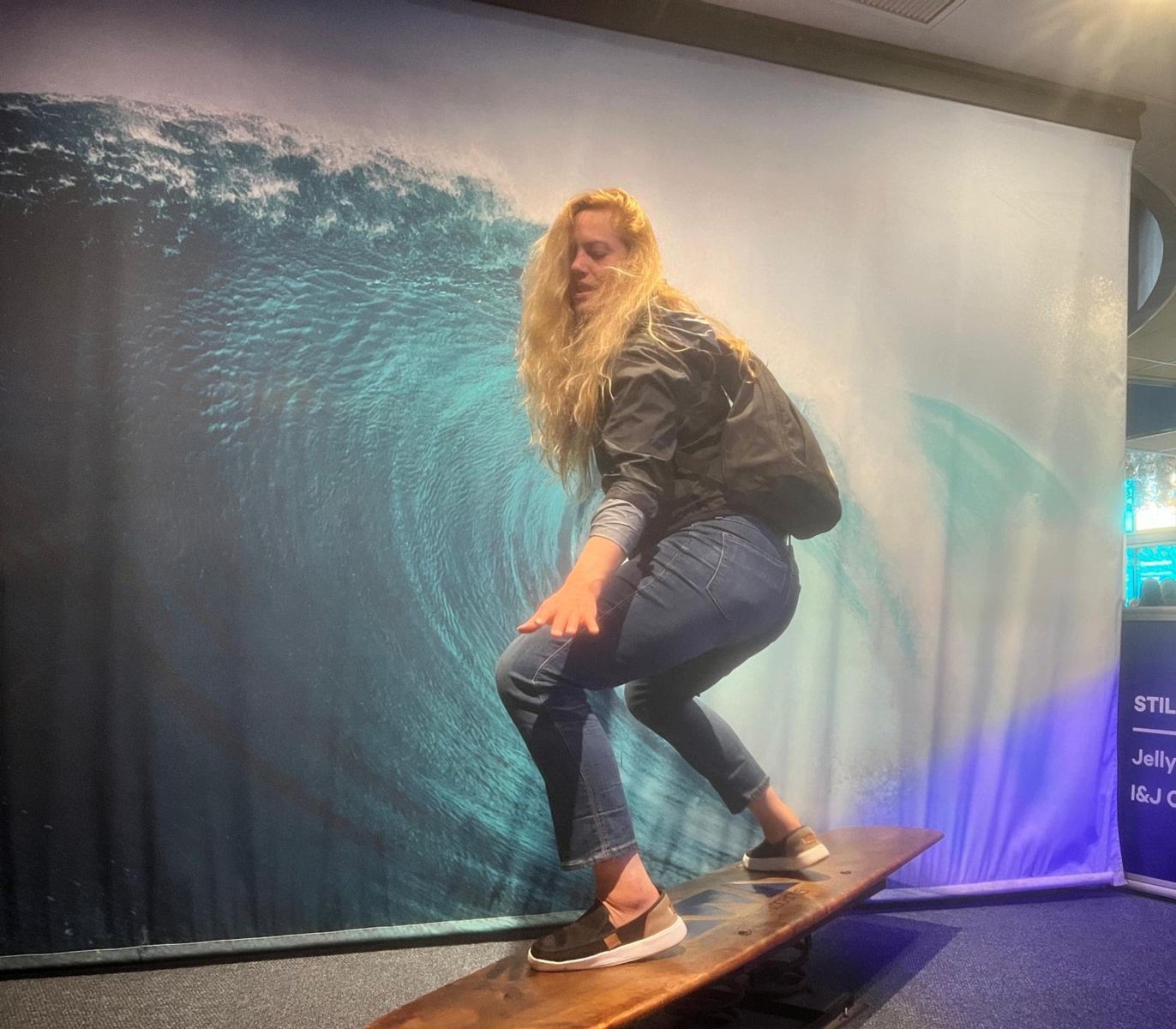
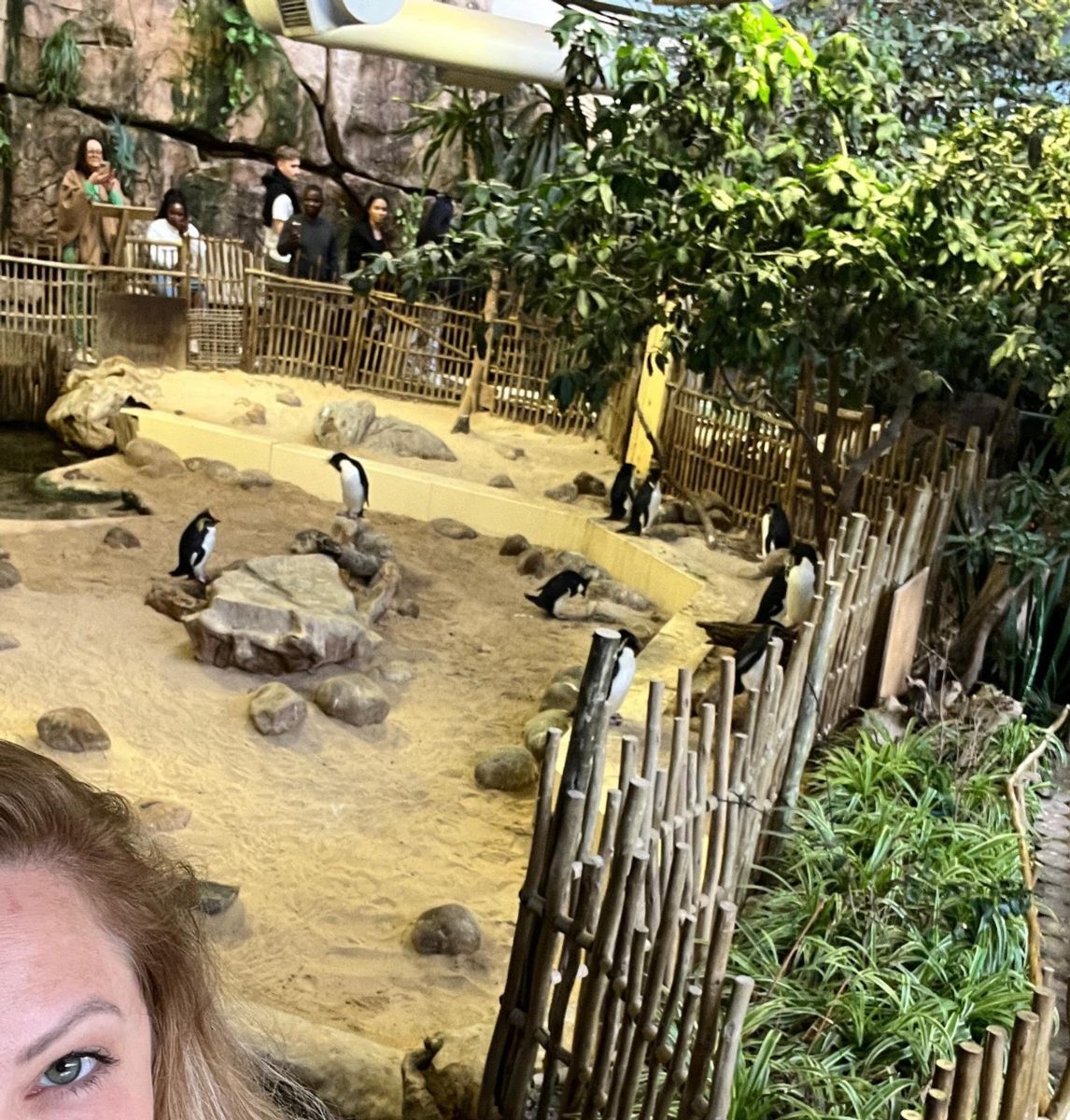
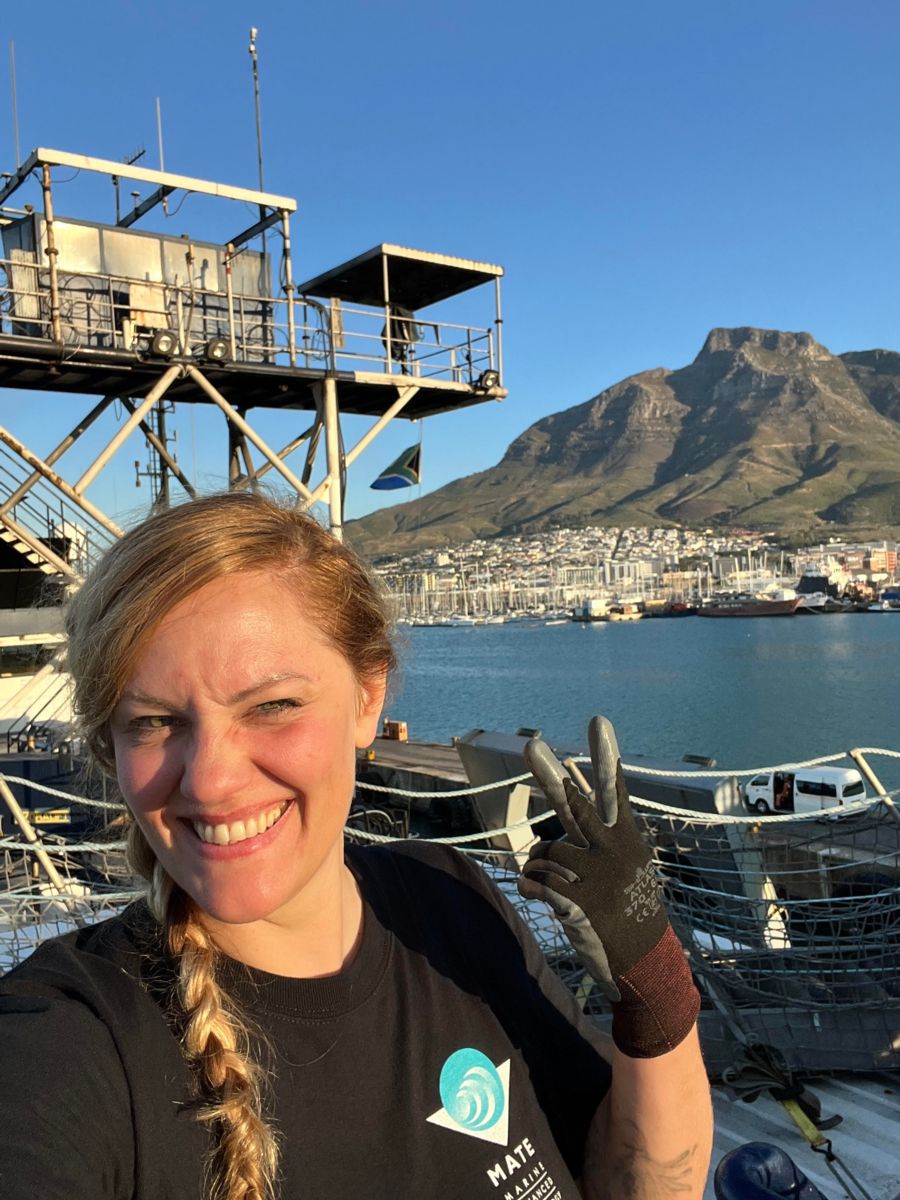
We went to the Victoria Aquarium where I learned how to surf and to telpathically communicate with subequatorial avians, see photos below:

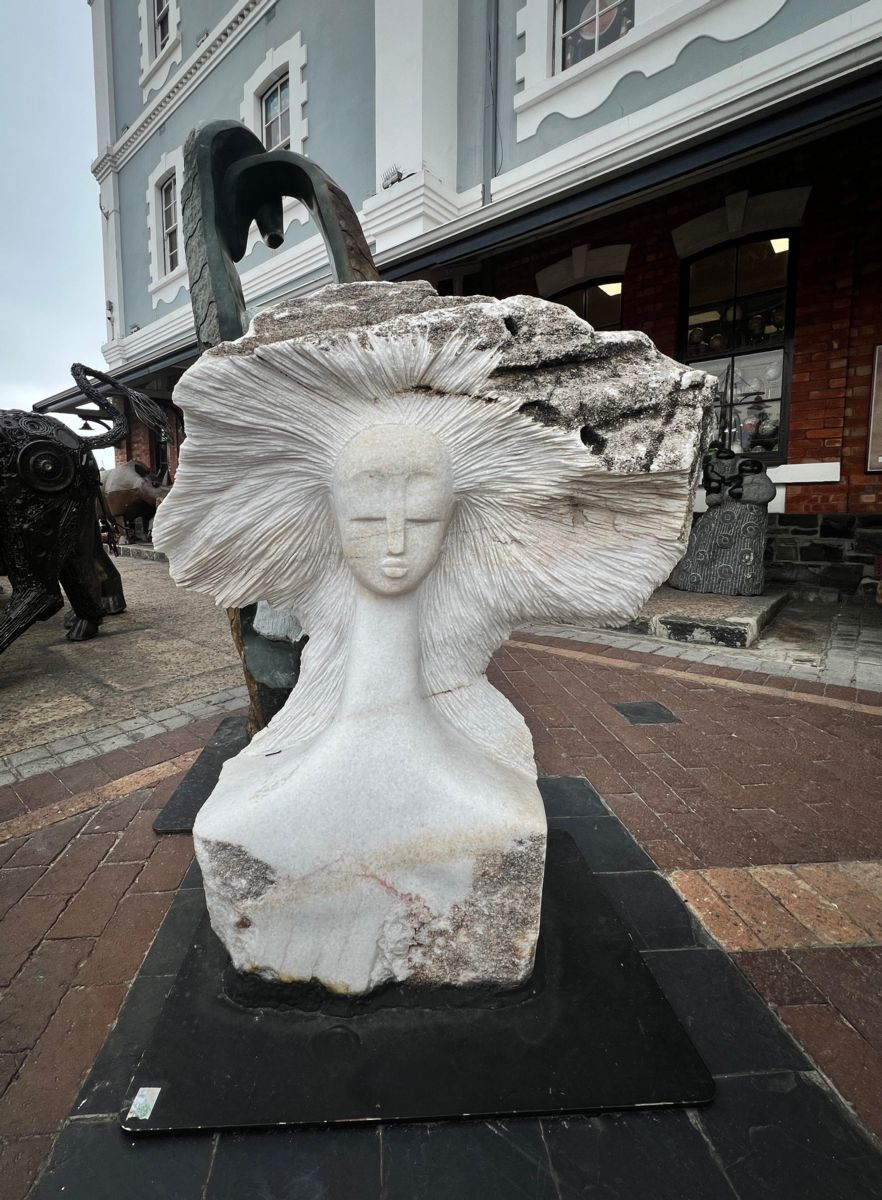
Additonally, we went to the South Africa Trading Post and saw some incredible artworks. Here is a sculpture in front of the trading post overlooking the bay…

April 29: We set sail from Cape Town, South Africa to the city of New York. Good bye Cape Town, I’m sorry my $20 bill was torn and that the local shops wouldn’t let me turn you into any rand.

And now, we work…

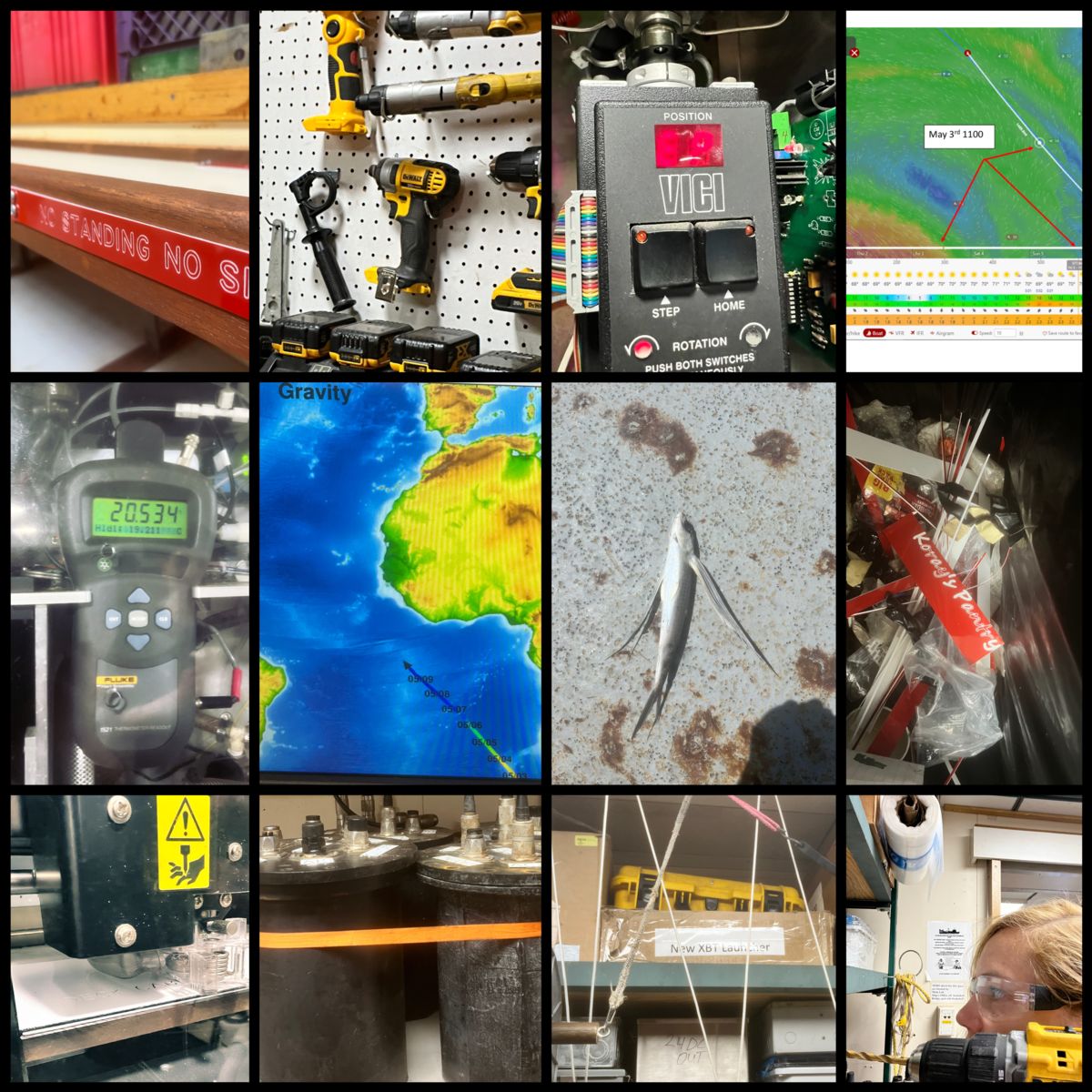
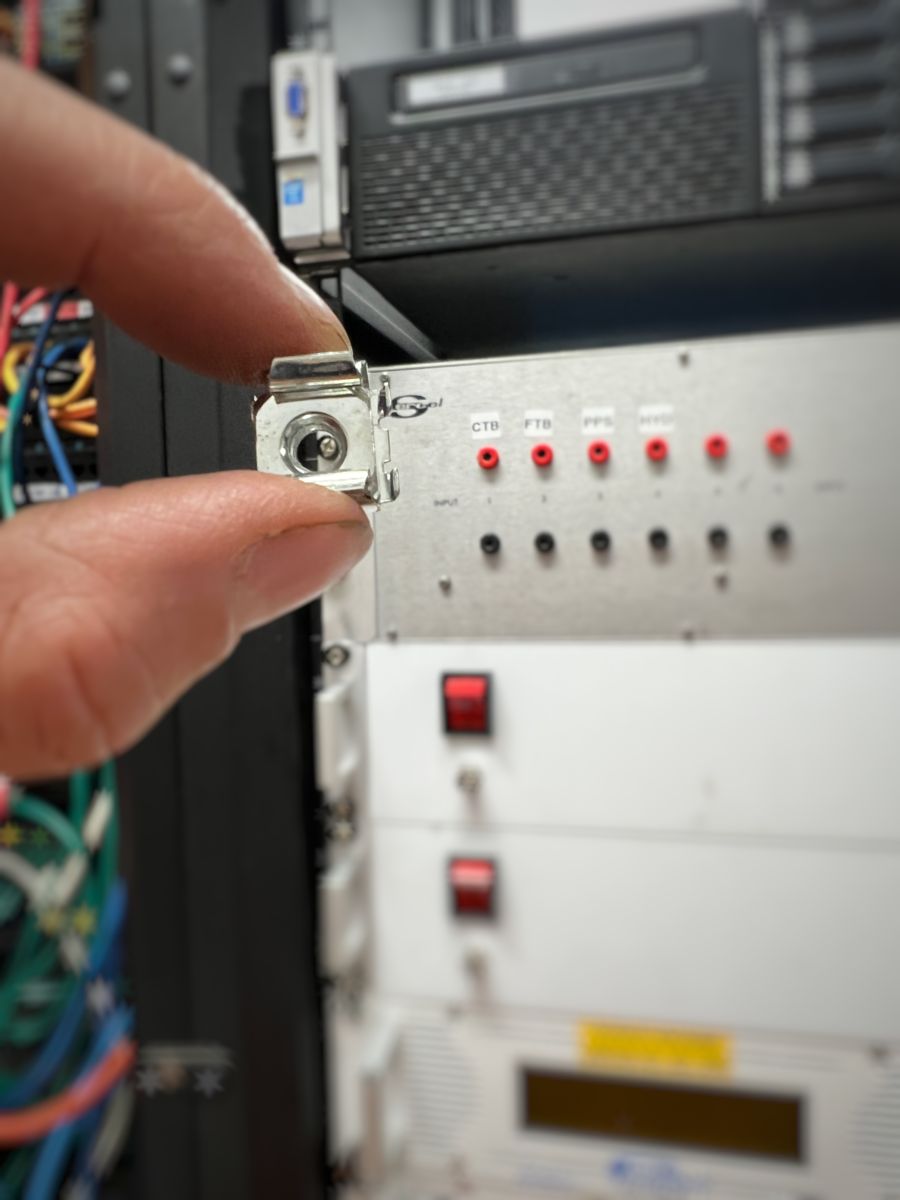
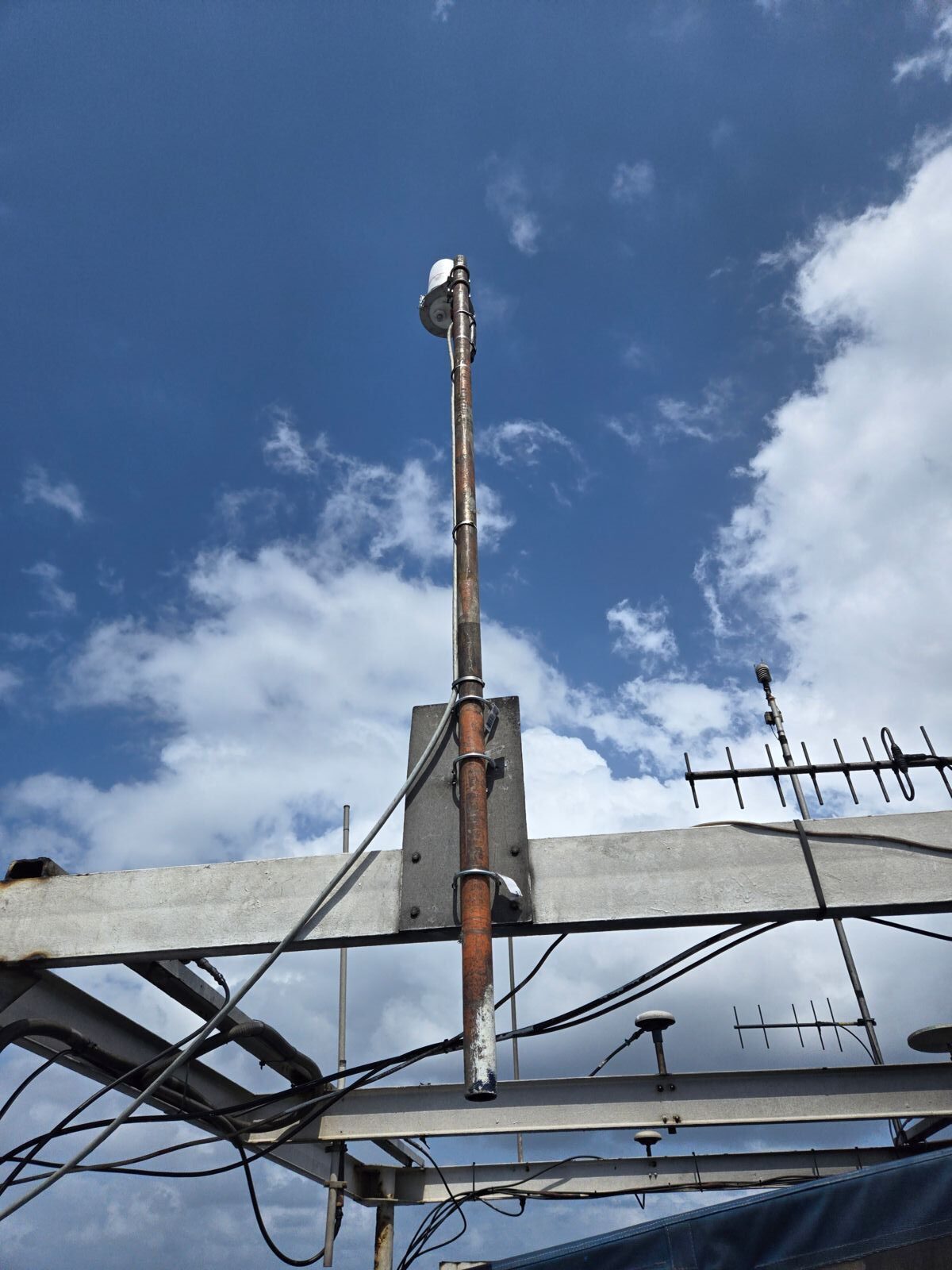
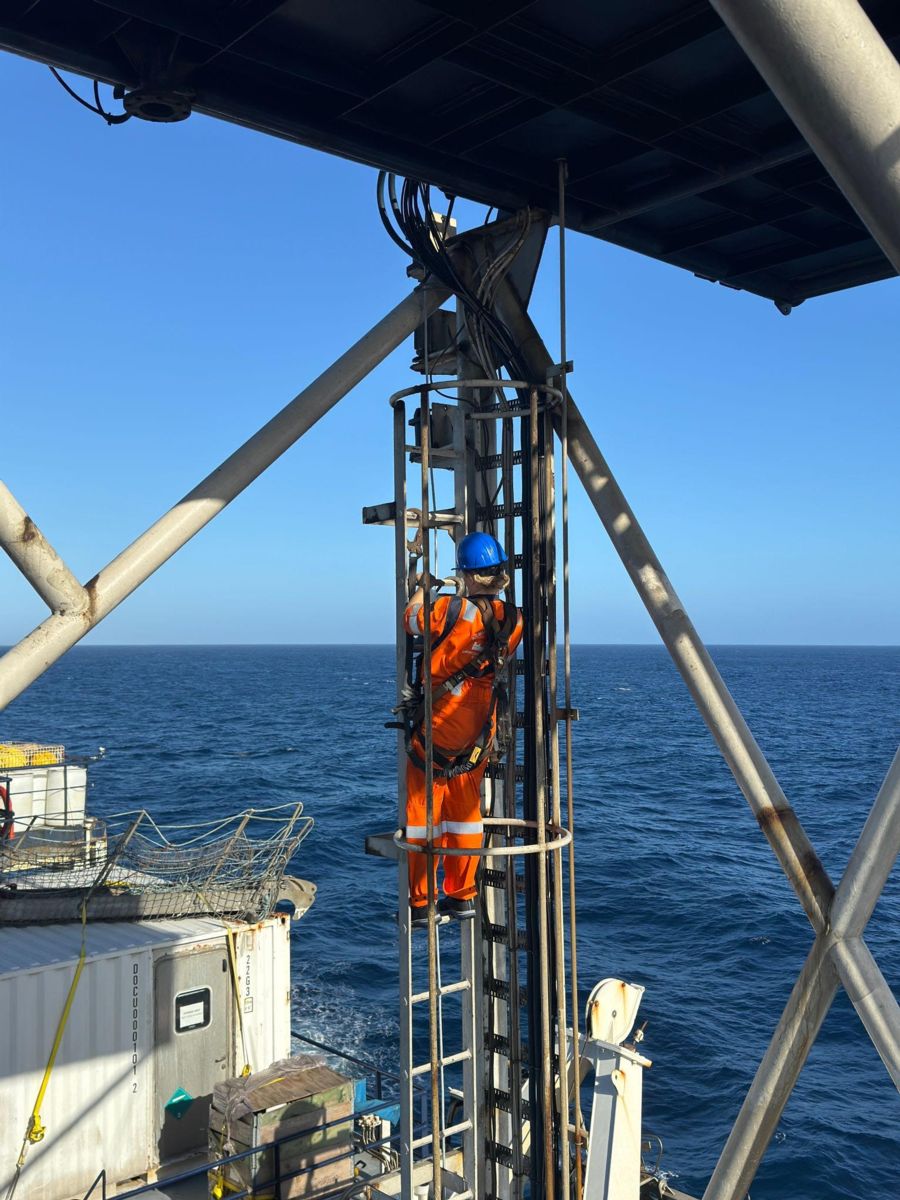
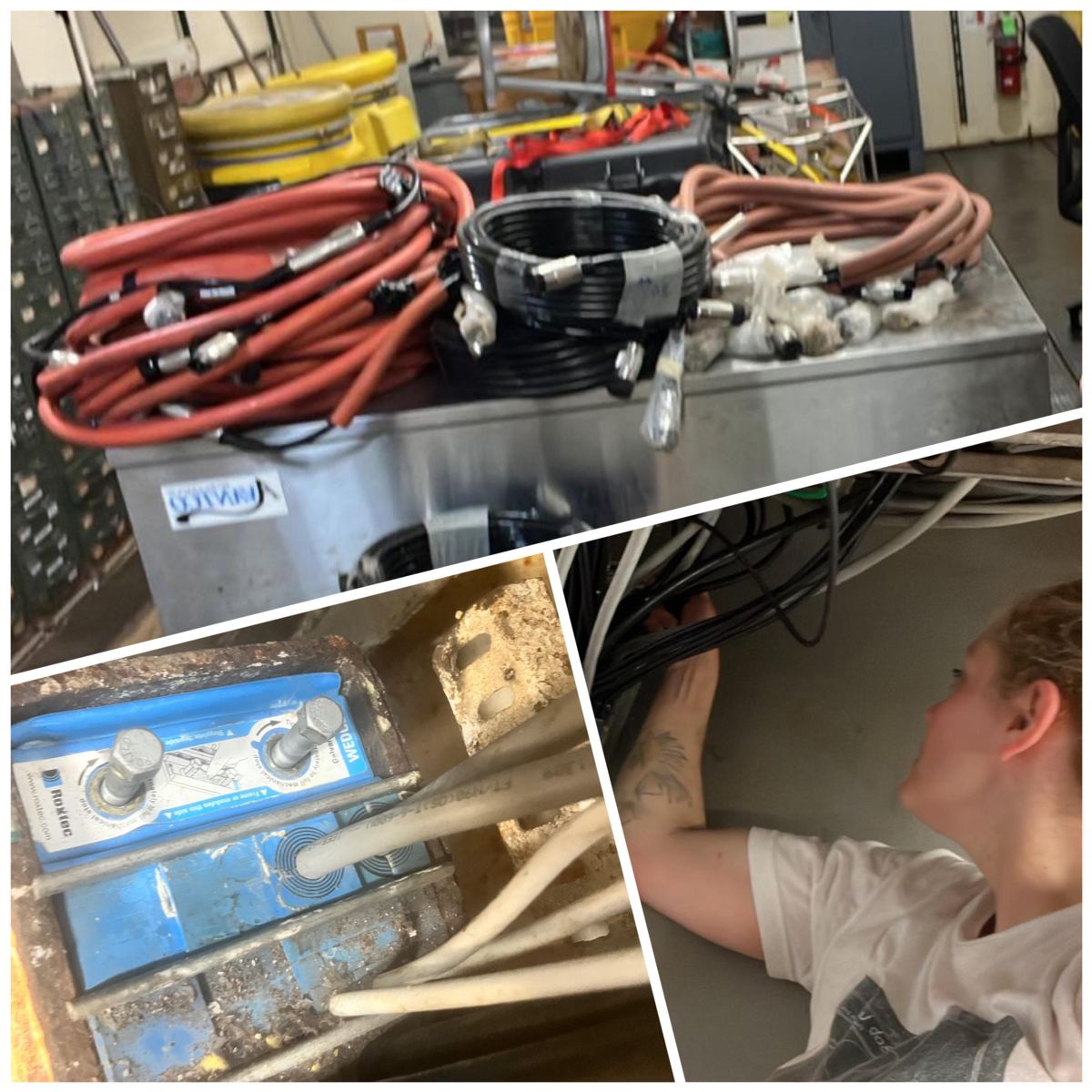
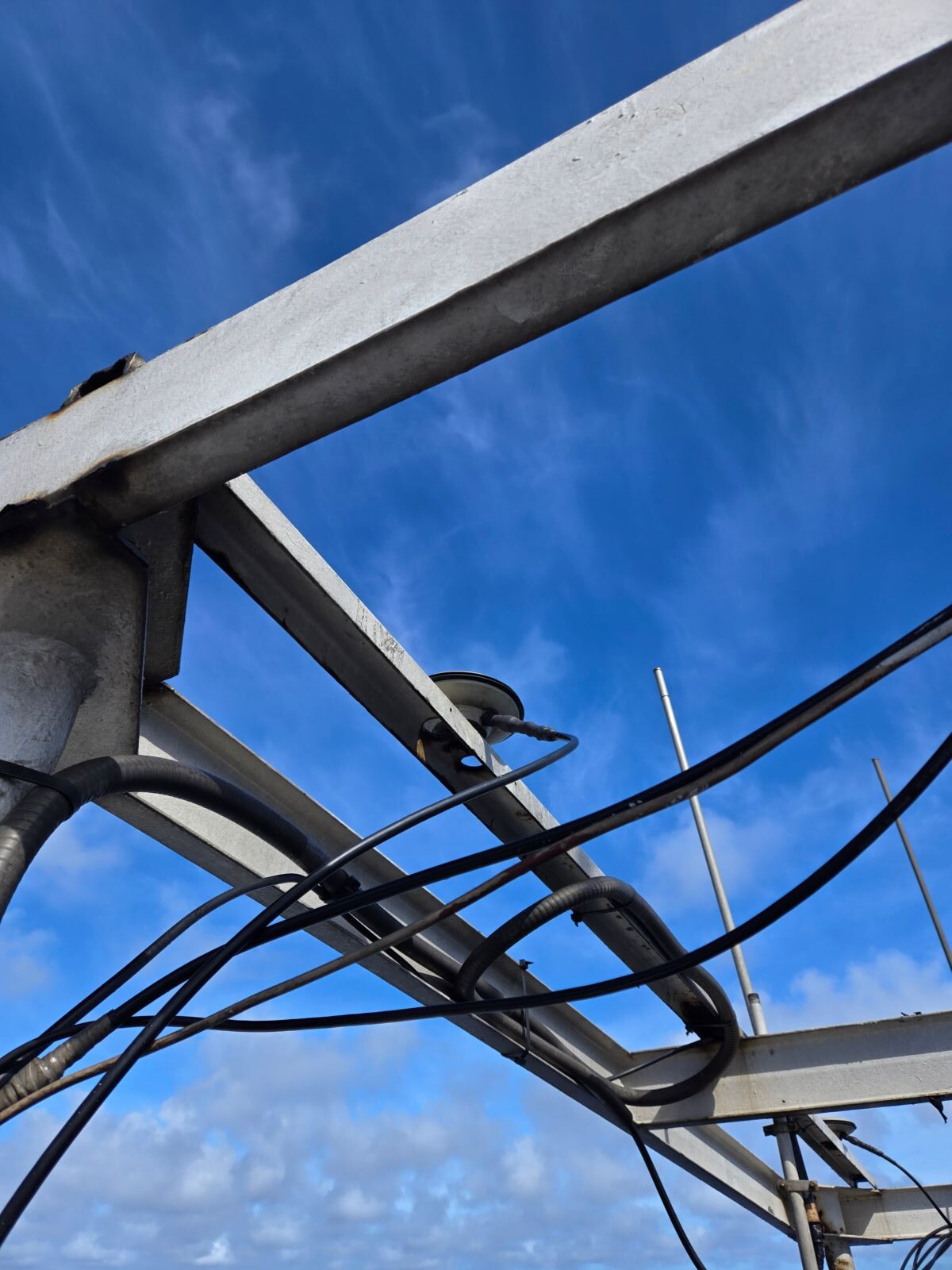
April 30: Worked with marine technician Riley rewiring the seapath receivers; pulled out roblox, fed cable through various parts of the ship, crawled into small spaces. Had to fill out paperwork on bridge for permission to feed wire upwards, geared up, went aloft, adhered cable with metal fasteners.

May 1: Climbed up the side of utility closet in the bird lab to remove roblox and feed cable through wall down to the crawl space in the port lab. Organized excess cables in bird lab crawl space to continue feeding cable into the main lab. Removed false walls at top of stairs next to bird room, fed cable through, put walls back and cleaned walls/ceiling.

May 2: Daily walkthrough Wet and Dry Labs (AM/PM). Checked Serial Data updates and maps. Learned how to use and adjust certain settings with the multibeam echosounder. Worked with marine technician Josh in the gun lab learning the basic deconstruction of the air gun, cleaning interior components, testing and rebuilding. Stop looking into the flashing light, Rachael.

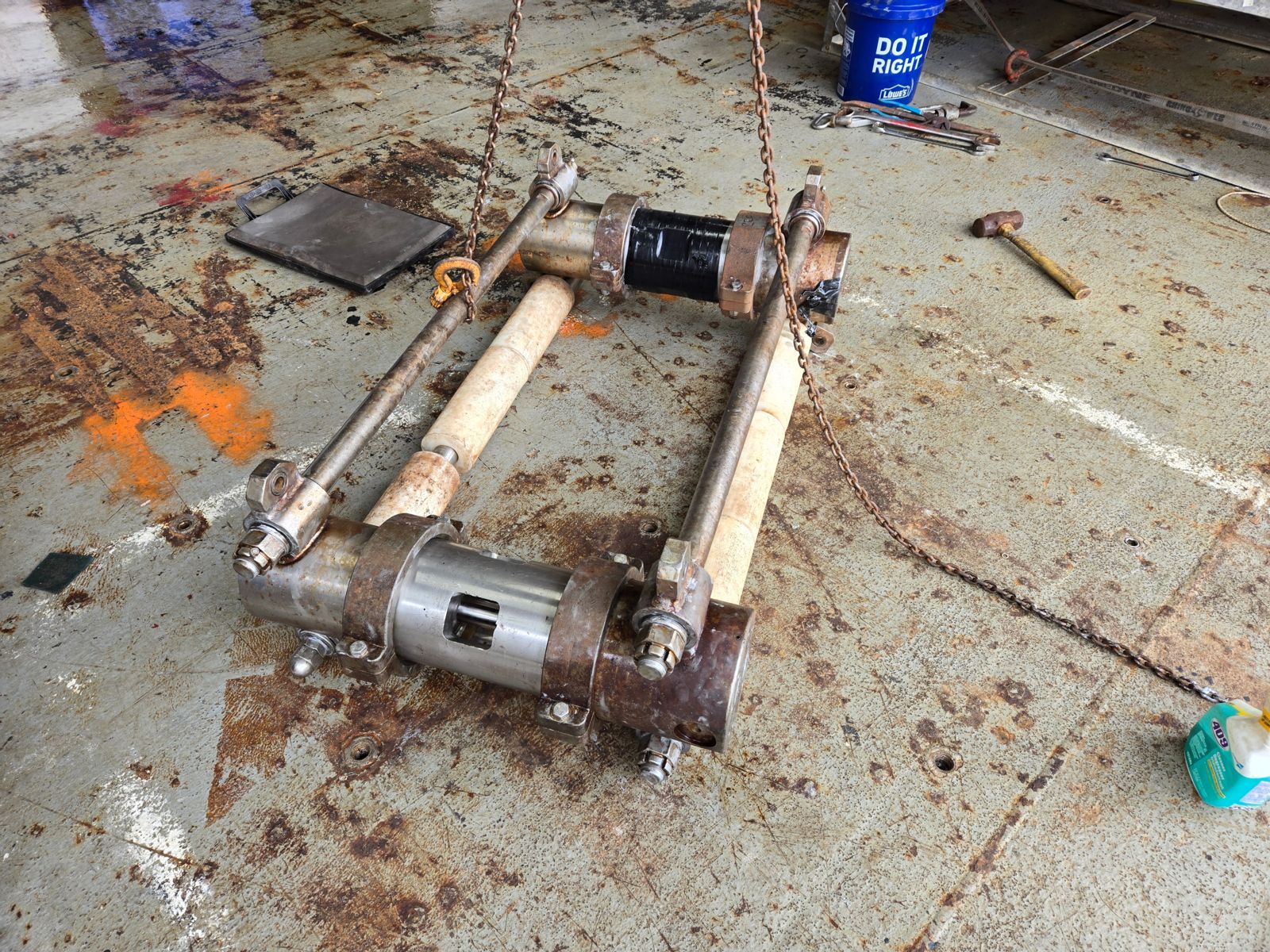
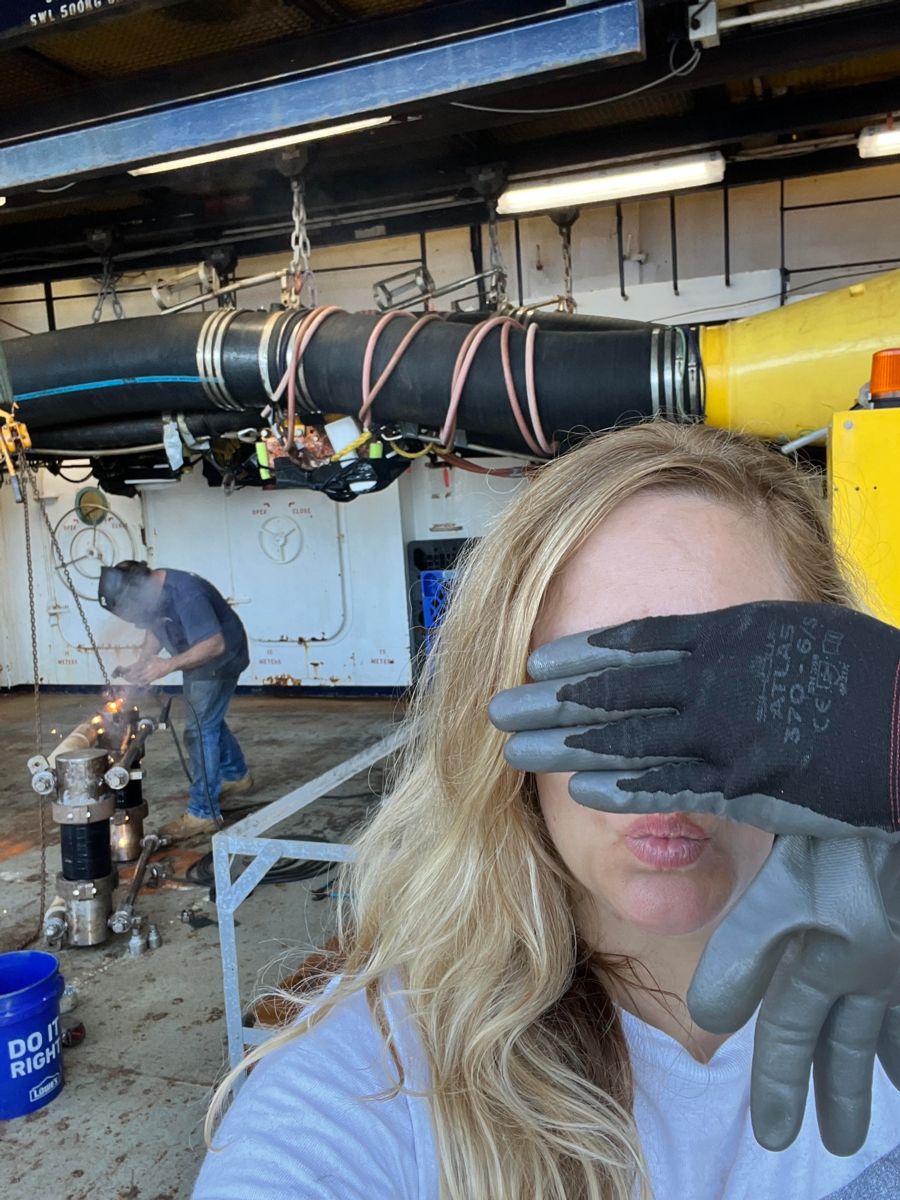
May 3: Helped marine technician Josh again, this time to rebuild an airgun cluster; changed main housing, broken spreader bar, and worn flange. Additionally, had a diligent time trying to resolve a seized bolt that occurred during a routine air test^.

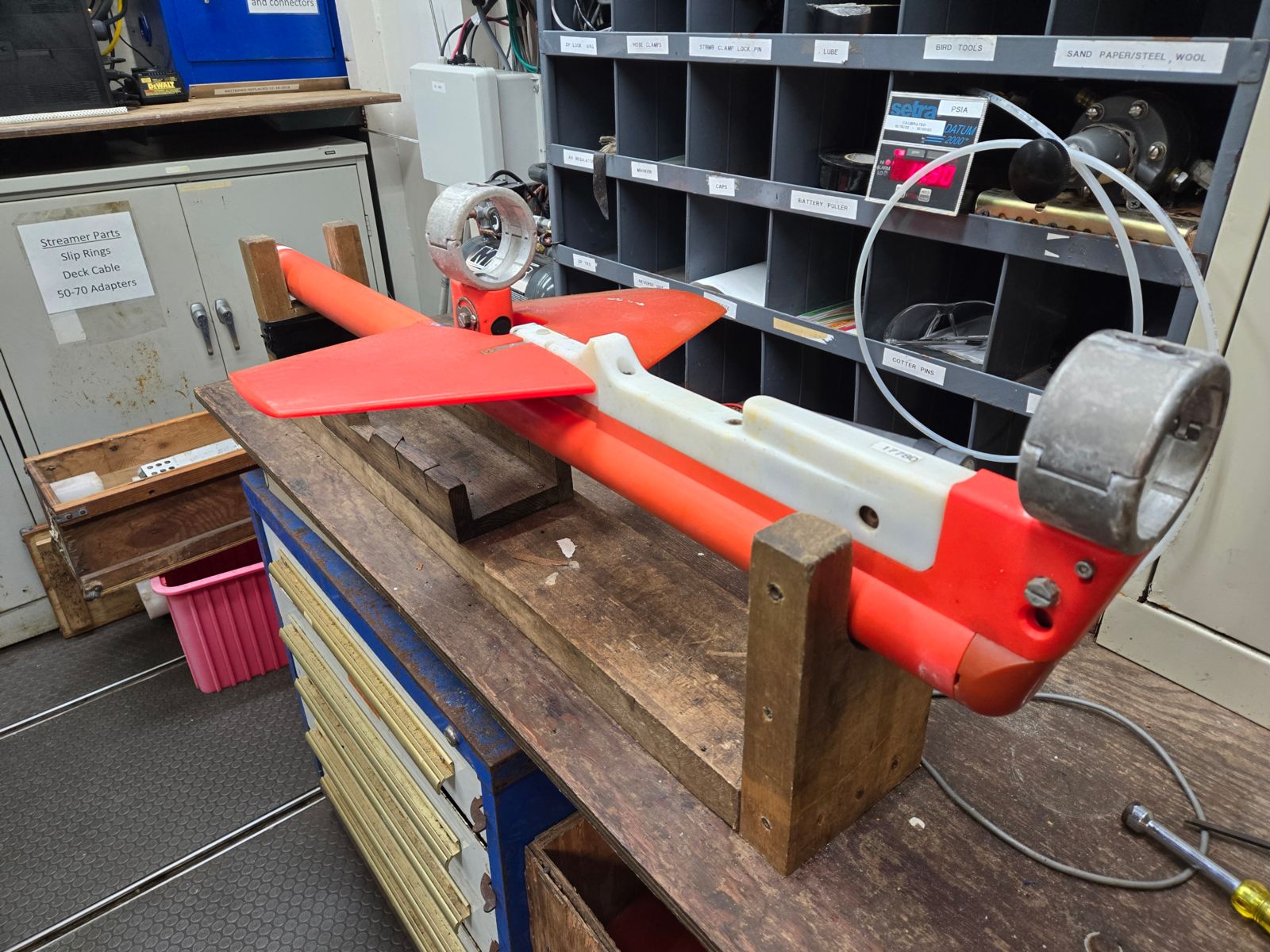
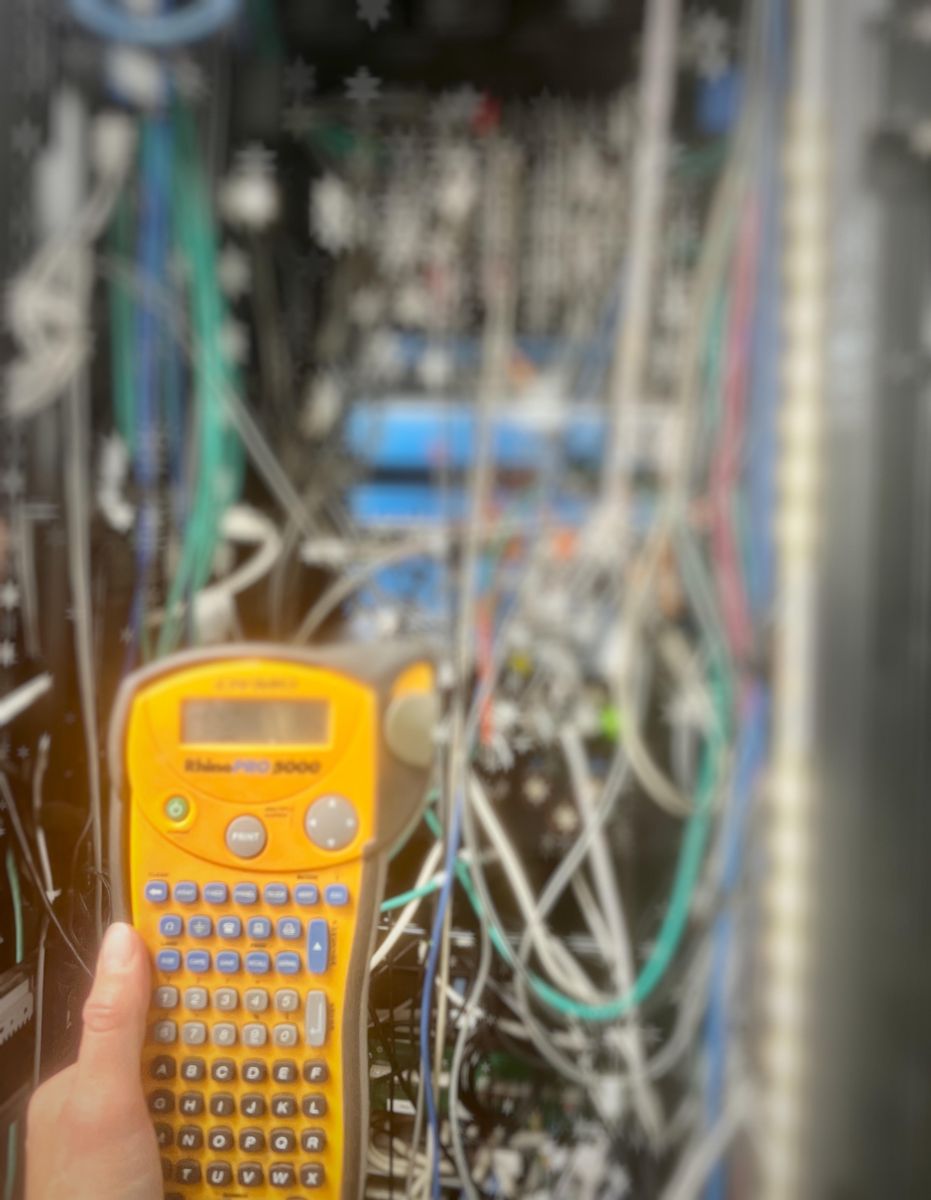
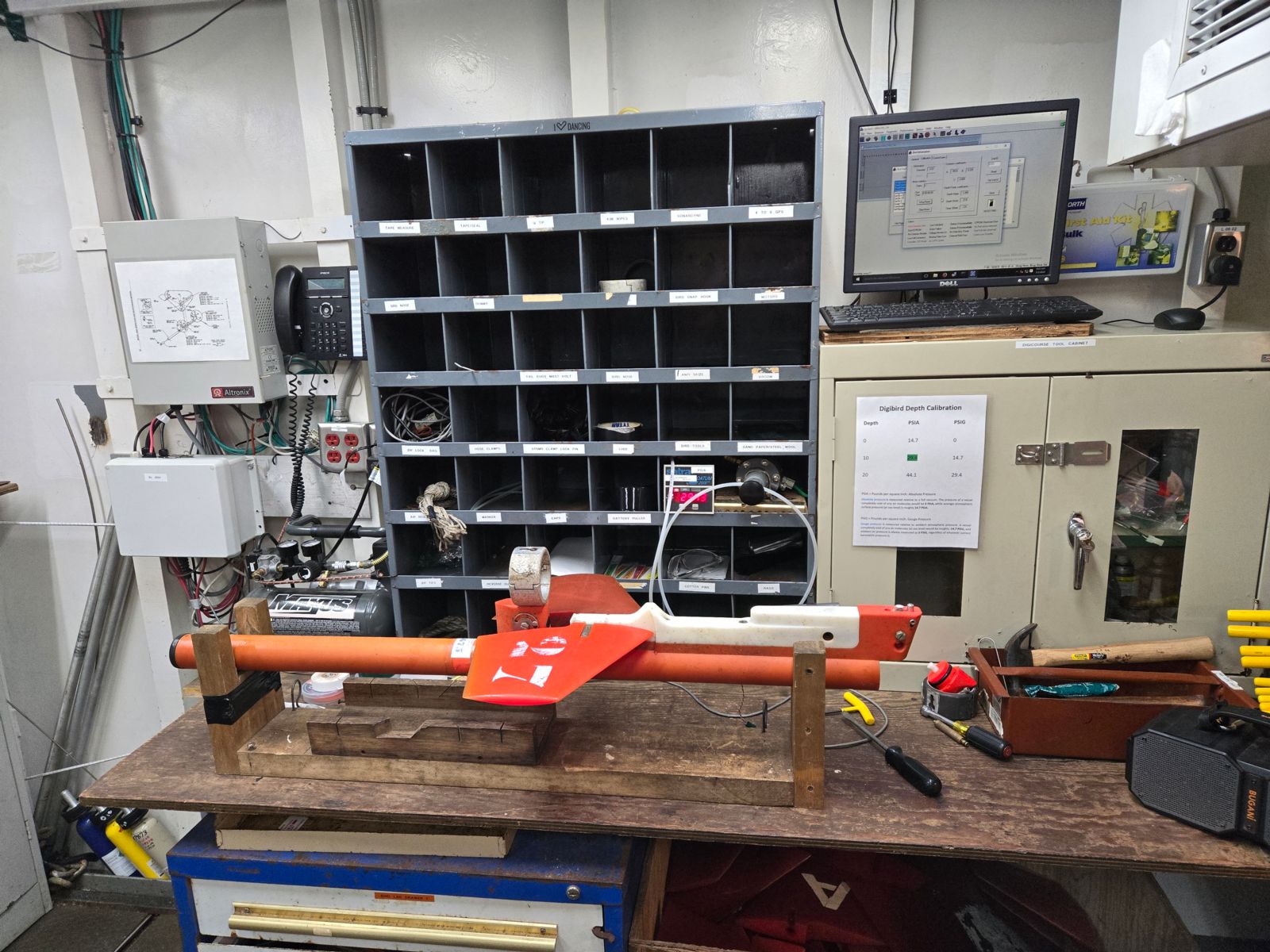
May 4: Worked with marine tech program coordinator Cody to learn step-by-step for digibird inspection/calibration/troubleshooting, both in visual and data system. Helped intern Ray with jumper cable project; cable labeling, taping, coiling, and organizing. Assisted marine technician Riley with the server racks; drilling, organizing, zip-tying, lifting, ratcheting, vacuuming, pulling apart, putting together, and labeling various cords and racks.

Been a very rewarding and very fun week here aboard the RV Langseth, very grateful and happy to be here and I’ve said this about one hundred times to anyone that will listen. Quite excited to continue learning under the wings of the fantastic marine technician team while aboard for the next 23 days. (Fyi, the meals are fantastic, so thank you Galley for nourishing us!)

– Rachael 

Week 1 Across the Atlantic!

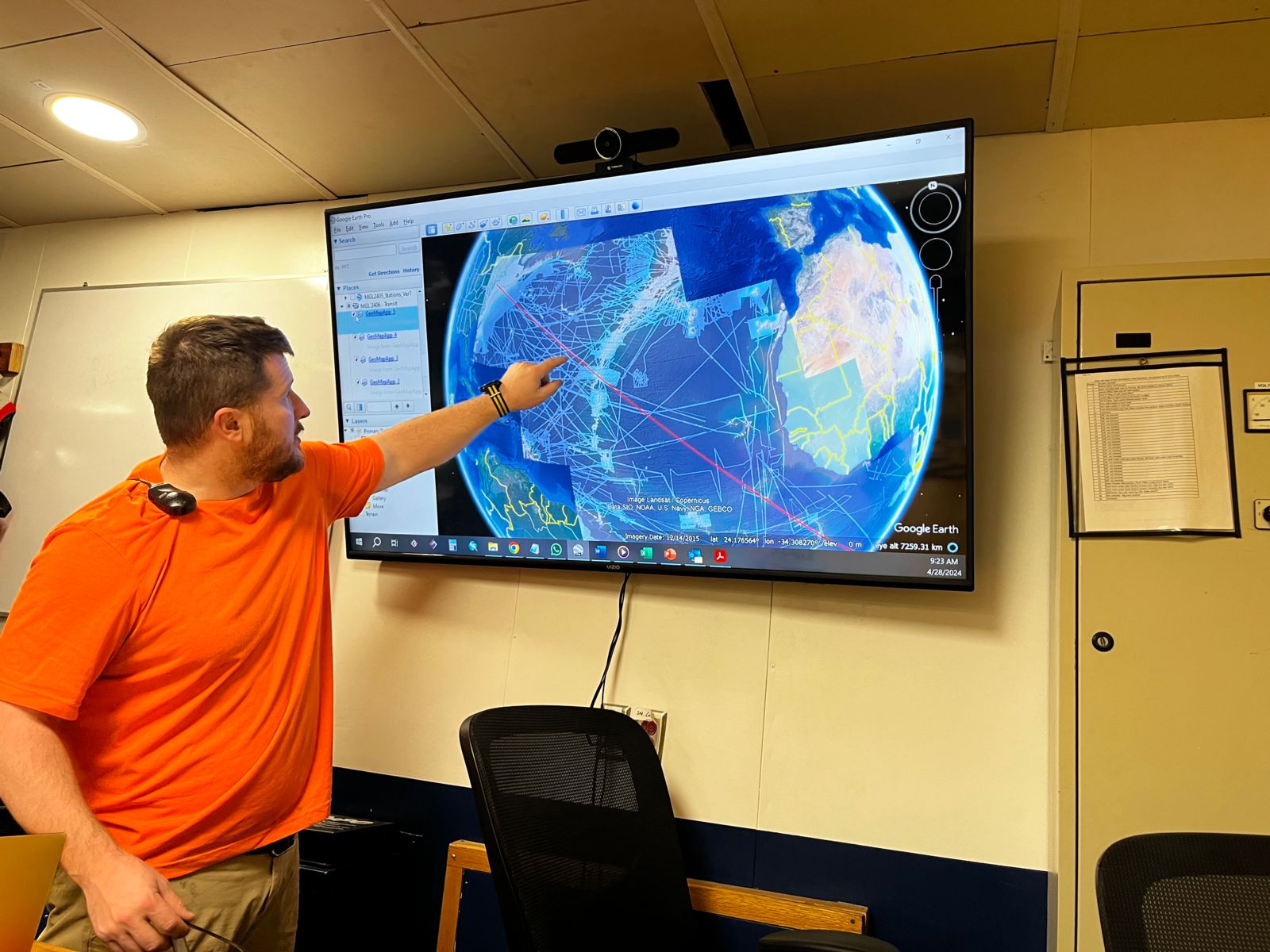
Hi everyone, Ray here with an update about my first week as an intern on the Marcus G. Langseth research vessel. Colton, Rachael, and I arrived in Capetown, South Africa on April 27th around 5:00 P.M. The following day we had an orientation of the vessel. Our mentor Cody, gave us a brief introduction to the ship and a thorough summary of the different tasks and assignments that will be given to us on our transit. We expected to set sail the following day (4/29/24), so we actually had time to explore Capetown for the rest of the day! Colton, Rachael, and I eagerly explored as much of the city as possible, and the culture was astounding! We finished our evening eating Ostrich Filets and fancy assorted seafood appetizers, all of which was paid for by Cody for which we are extremely grateful! The next day our vessel started to set sail across the Atlantic towards NYC at 5:00 P.M. The past six days aboard this vessel have been incredibly productive, with a multitude of tasks that have been completed. Among these tasks was the disassembly, cleaning, and reassembly of the air guns. These instruments fire at 2k psi, sending signals to the ocean floor, which then bounce back for collection by the hydrophones. This data is essential for creating detailed 2D and 3D images of the ocean floor beneath us. My plan is to continue making blog posts with more updates on our tasks as we approach NYC! 

Stay tuned!

!                                                     

Week 1: The Journey Begins

4/27/2024 – 5/3/2024

I arrived in Cape Town, South Africa on Saturday 4/27 in the late afternoon, by the time I made it to the R/V Marcus G. Langseth (Langseth for short) it was almost dark and time to unpack and get acquainted with my new home for the next month.


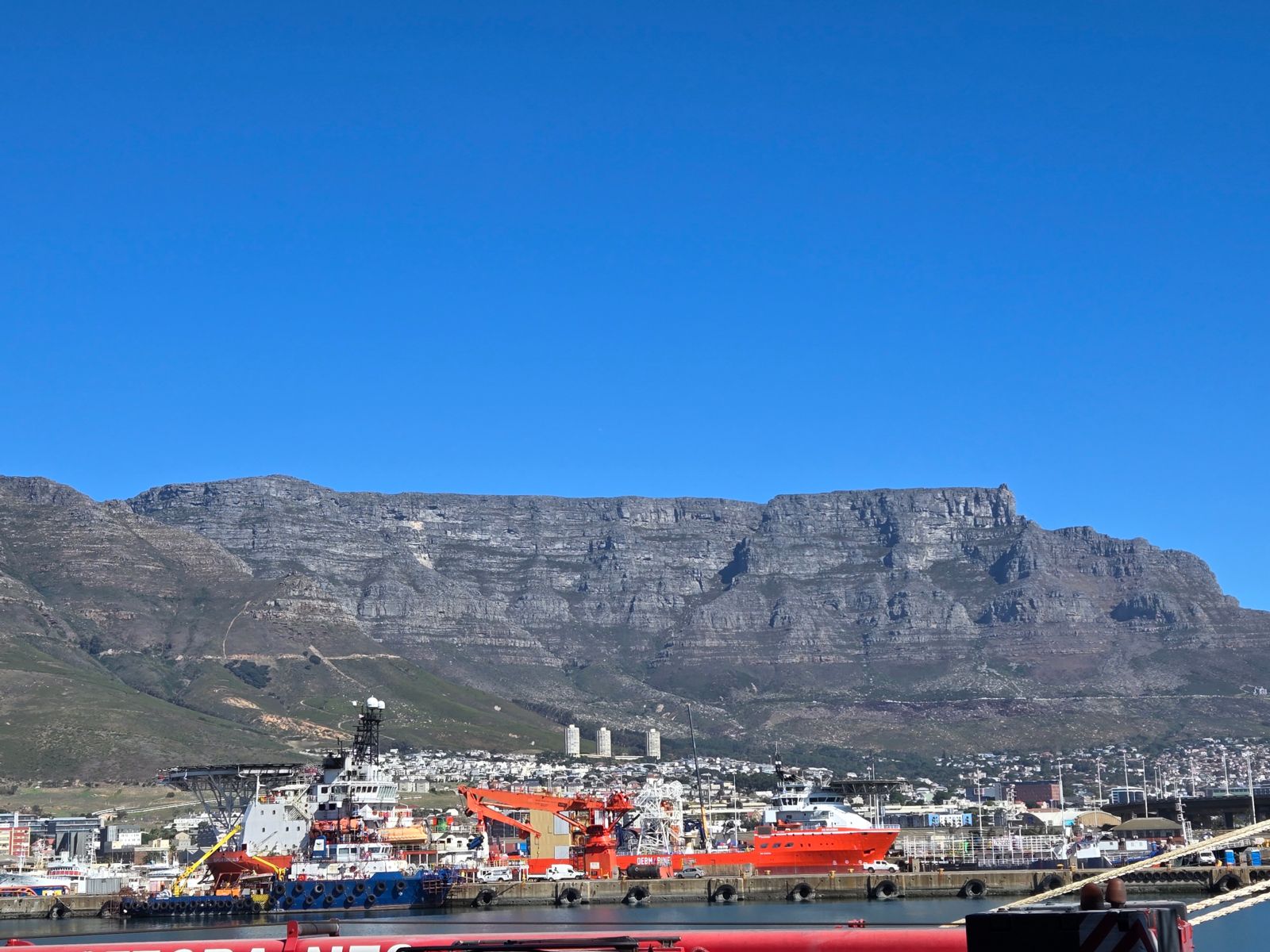
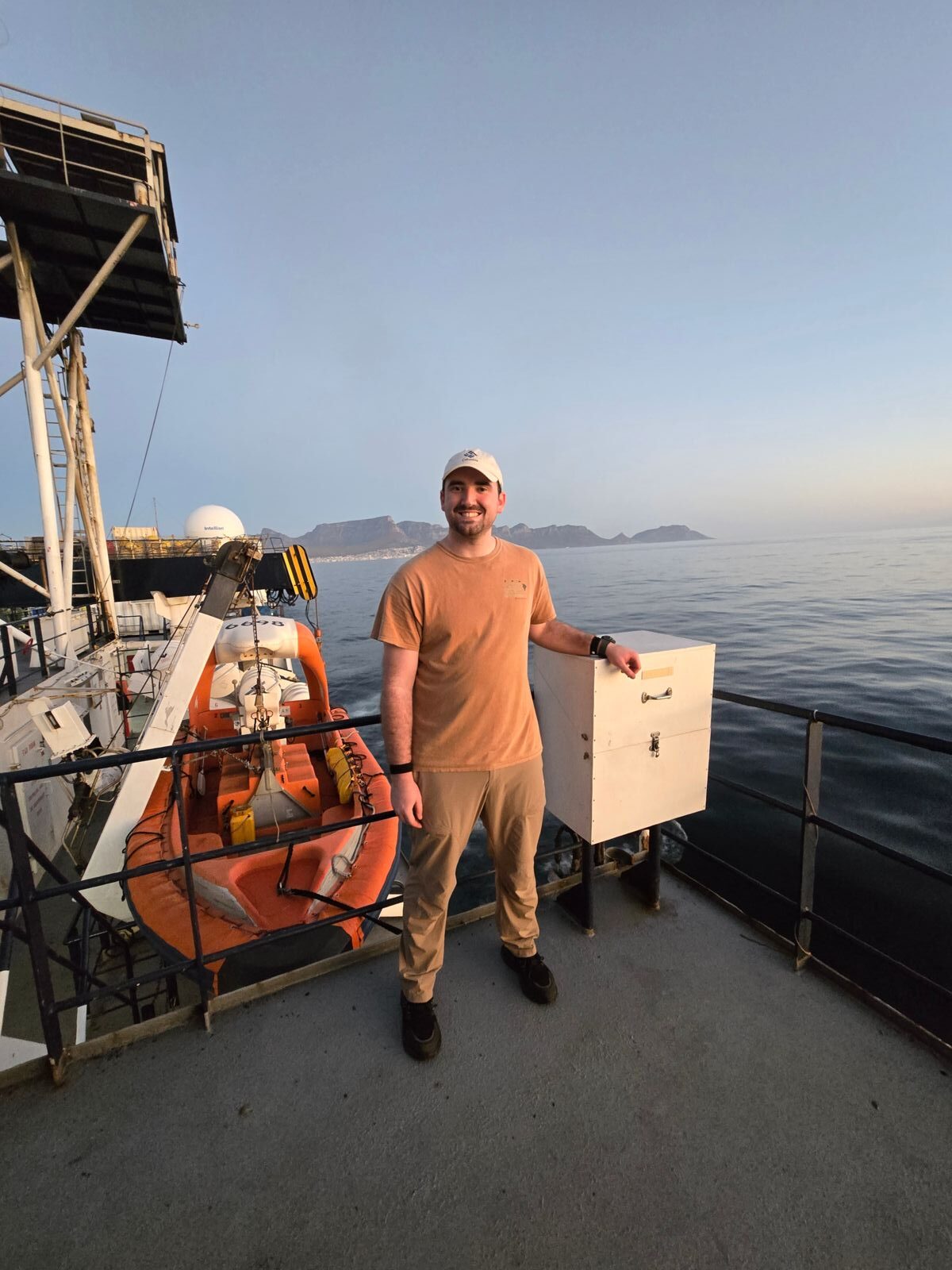
The morning of Sunday 4/28, was spent touring the Langseth. Looking at all of the labs and other facilities I would be working in as well as going import rules and safety while on board. The other UNOLS-MATE interns on board ( Rachael and Ray) and I were then given the rest of the day to explore Cape Town. We were able to explore the city for half the day and get a taste of the African culture, which is an experience I will never forget. Nothing was more spectacular than looking up at Table Mountain.


Monday 4/29 was the big day, the day we left Cape Town and began the long transit to New York. I spent the day working with my fellow interns to secure crates, pallets and coolers containing water samples from a previous cruise with ratchet straps and paira cord to ensure that they did not move while at sea. We set sail later that evening.


Tuesday 4/30 was spent working mostly in what’s called the Bird Lab. This is where all the Digibirds, that attend the sizmic streams to keep the stream level in the water column, are dismantled and tested before deployment. This lab was used as a storage area for water samples and needed to be cleaned before testing the Digibirds. I spent the rest of my day working on other tasks throughout the ship.


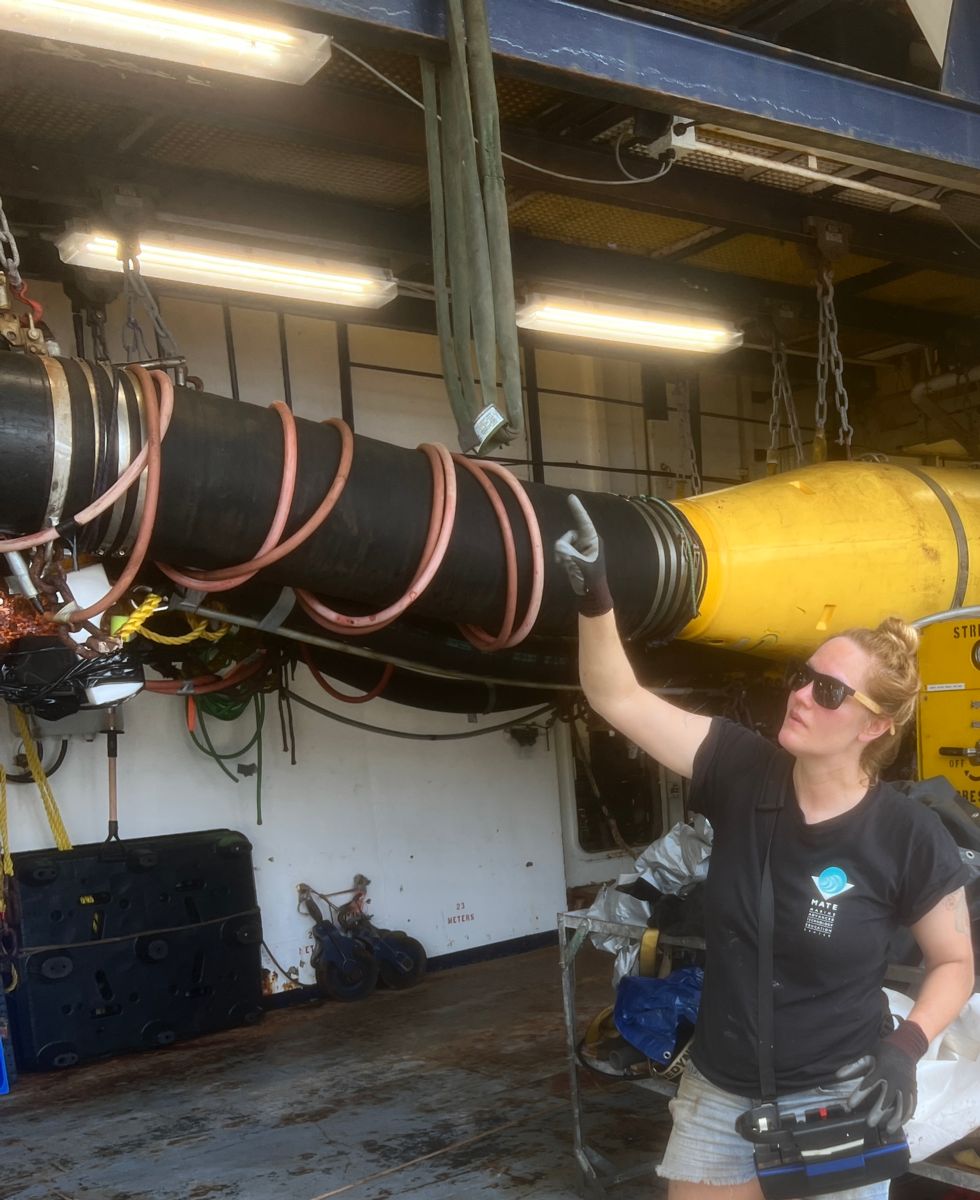
Wednesday 5/1, I assisted in troubleshooting a solution for the inoperable Seapath GPS receiver antenna. This involved climbing the (name) tower and putting on a harness to reach the antenna. After a lot of trial and error we were finally able to get a clear sign on the receiver after reterminating the wire connected to the antenna.


Thursday 5/2, I spent the morning making labels for all of the unmarked crates and containers on the ship. This was in order to ensure that once we arrived in New York these container crates containing scientific samples and equipment would get to their final destination. I spent the second half of the day learning how to dismantle and test the Digibirds. After looking over the procedures, I was able to test a total of 8 Digibirds.


Most of Friday 5/3, was spent continuing my work from the day before, dismantling and testing the Digibirds. I was able to get through about 25 of them today, but there are quite a few that require some troubleshooting to determine what is wrong with them.


Stay tuned for my next post!

Introduction – Ray Barrett

Hi Everyone,

My name is Raymond Barrett. I am a 22 year old college student from Tiverton, Rhode Island. I am in school for Offshore Wind Power Engineering and Technology and have just completed my Offshore Wind Power Maintenance Technician Certification. I will be traveling from Cape Town, South Africa to New York on the R/V Marcus G. Langseth. Math and science are two of my favorite subjects and I love learning new things. I also love to work on cars, it is one of my favorite hobbies. I also like skiing, sailing, and going on adventures. Stay tuned for updates on my journey across the Atlantic Ocean! 

Introduction – Rachael Byrd

My name is Rachael Byrd. I received a Bachelor of Arts/Biology from the University of Alaska Southeast. Over the last few years my studies include marine biology, acoustic habitats of marine mammals, and maritime transportation. I have technical experience with passenger vessels and hydrophone to capture underwater acoustics. I’ve spent the majority of my time in Alaska but also studied abroad at the Ningaloo Reef Marine Sanctuary with Murdoch University in Western Australia. 

I’m a licensed merchant mariner, I love: taking things apart, unforeseen events, early mornings, late starts, long walks on the beach, and inclement weather. As a proud UNOLS intern I’m excited to have this opportunity to learn more about open ocean research vessels and marine technology.

Introduction – Colton Borresen

Hello Everyone,

My name is Colton Borresen. I received my Bachelor of Science; Biology from Georgia Southern University-Armstrong and I am attending Savannah State University for my Master of Science in Marine Sciences. I should be defending my thesis this summer, but I happily postponed it for this opportunity. I am thrilled to be selected as a UNOLS-MATE Intern for the transit cruise of the R/V Langseth from Cape Town, South Africa to New York. Most of my studies, research and internships have been focused on the biology side of the Marine Sciences and I am excited to get this exposure to a wide range of marine technologies, equipment, and marine technical professionals.

I enjoy SCUBA diving, soccer, music, and everything about sharks!! But most of all I just cannot wait until I am no longer a “college student”!

I am looking forward to sharing my experiences during this cruise with regular blog postings. Stay tuned!!!

Week 2: Advent of Storms

To say the second week aboard the Marcus G. Langseth was turbulent is an understatement! Acclimating to life aboard the ship was a bit odd at first, but I’ve since grown accustomed to the rocking and swaying of the vessel…at least in normal conditions. During the period between the first blog entry and now, the Atlantic grew tumultuous with not one, but three different tropical systems! Hurricane Franklin, Hurricane Idalia, and Tropical Storm Jose, oh my! Their proximity near the lines (referring to the data points we want to record) influenced the weather over the Atlantic Ocean, impacting the experience. The tropical systems agitated the waters of the Atlantic and caused a mixed swell period along with seas of 6 to 9 feet! Fortunately, the Langseth is quite sturdy as no instruments nor equipment was damaged during this active period. Though rough, it was an incredible experience to feel the vehicle lurch and roll from the traversing the choppy waters!

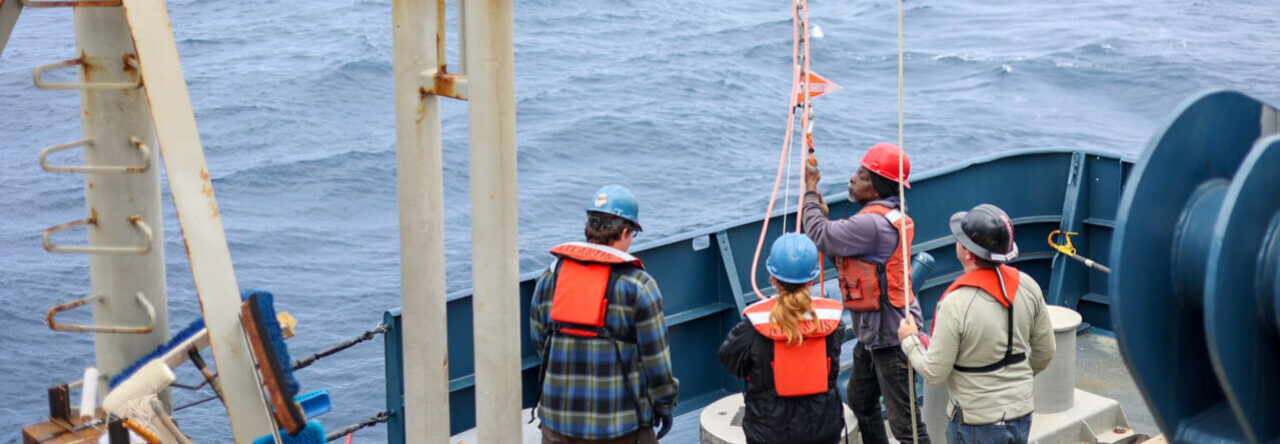
I digress from the main topic though: OBS Recovery. After escaping the confluence of the three systems, the ocean was in a far better condition to recover the devices in despite its continued roughness. Recovery of an OBS can be rather tricky, requiring coordination from those in the bridge and the main deck to spot and maneuvur towards the equipment. Using large rods that can be equipped with rope, it’s fishing time! Not really, the rods are used to attach ropes, or tag lines, to the OBS that allows the device to be pulled onto the deck via a mechanical winch and pulley system. Once on deck, the device is wheeled into the Wet Lab where it is fully disassembled and put away for future use. Hiccups can occur during this part such as the device being too far on the Langseth’s approach or the device requiring more time to respond to the release command sent by instruments onboard. Despite these difficulties though, the crew of the Langseth persists and has successfully completed 2 of the 3 lines required for research! 

Of course, not all of the time aboard the ship is dedicated towards the OBS’ deployment and recovery. The periods of time during transit are usually spent for improving the vessel’s functions, diagnosing problems and finding solutions, as well as leisure. This can be as minor as fixing a certain phone falling in the Wet Lab in rough conditions (thanks Riley, rubber bands are very helpful!) to larger projects such as installation of antennae for improved equipment range. There’s also plenty of places to explore on the ship during downtime from the Theatre Room to the Gym; boredom is hard to achieve while on the Langseth.

We are transiting to the 3rd and final line planned out for this voyage. After the deployment of the OBS devices onboard, we’ll be able to utilize the airguns by streaming them behind the boat and firing over the devices. The percussive effect generated will be collected and interpreted by the OBS devices, allowing for the synthesis of seabed imagery! This will take place later into the week; I’ll make sure to go further in detail when the airguns are deployed, stay tuned!

The Mighty A-Frame

Spotting the OBS (Alan, Nick, and Leon)

Week 1: Aboard the Langseth

The first week aboard the R/V Marcus Langseth was an eventful one full of new experiences! While the workflow was initially jarring and hectic, it’s clear the crew, scientists, and technicians aboard the vessal are professionals in handling unexpected situations. Their adaptability and ability to quickly diagnose and solve problems is an impressive sight: I hope to learn more from them during this voyage!

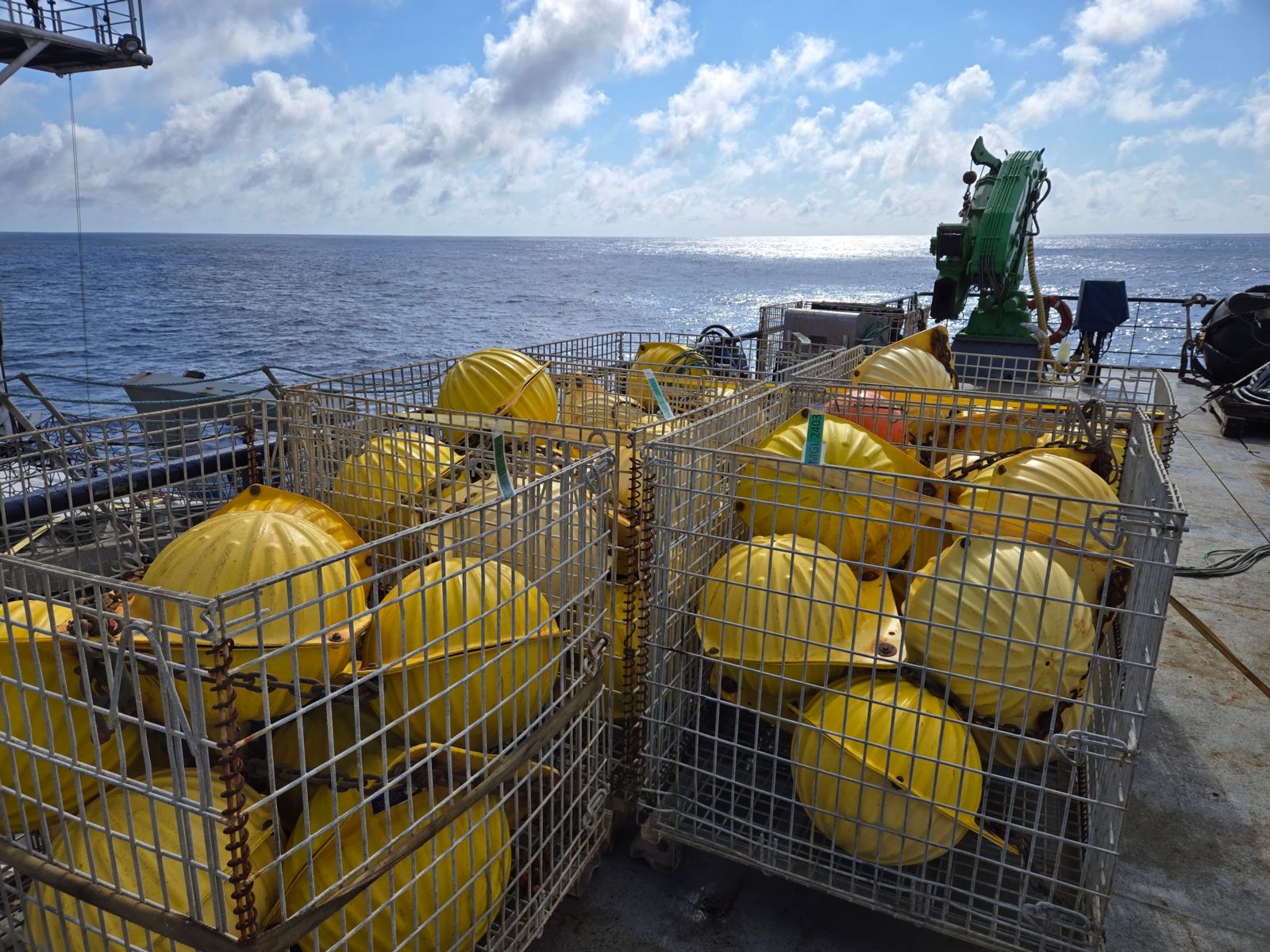
During the time out at sea, I was able to explore the vessel and experience the greatest phenomena of all: Seasickness, induced by the unfamiliar motions of the ship but has subsided since the first day. Despite the ill feeling, it did not diminish my enthusiam in seeing the many features of the vessal with the guidance of Todd and Riley. From the OBS Deck filled with its many instruments to the Main Lab that monitors the majority of the Langseth’s features, the vessel is equipped to handle seismological research. The Main Lab is especially relevant for the required operations: the deployment of OBS’s and the monitoring of seismic airguns that trail behind the ship. Working in tandem, the OBS’s are set out in a 450 km (240 NM) line across the seabed over several days, collect seismological data from the airguns firing above it, and are then retrieved for data collection. Being able to physically handle the equipment and participate in setup and deployment was very enjoyable; personnel like Koray, Klayton, and Aaron were especially helpful as I became familiar with the process. The journey has only begun, yet I’ve experienced so much already, the Marcus G. Langseth keeps moving! Next on the agenda, recovering the devices and disassembly!


Construction of an OBS (Scripps)

Intern Introduction

Greetings Everyone!

My name is Nikko Hernandez and I am a recent graduate from the Florida Institute of Technology having received my Bachelor of Science in the field of Meteorology. Since my graduation, I have worked as an environmental specialist. I have since stayed with the company until being selected by the UNOLS-MATE Program and have taken a leave of absence.

While I am a new to both residence aboard a vessel and the maritime field, I intend to be adaptable and broaden my viewpoint. I also hope to apply the skills I’ve gained during my employment and from my hobby in automotive repair to strengthen my foundation. I am an avid learner and strive to constantly improve myself, I am incredibly grateful for my selection onboard the R/V Marcus Langseth!

Langseth take 2: Week 2


Its day 19 of this cruise on the R/V Langseth, and we have been deploying the seismic gear for the last 18. After the 12-hour process of deploying the 12-kilometer streamer, 4 strings of airguns, and 2 sensors, we were ready to being “shooting” and collecting data. Once all the equipment is deployed, we must maintain a speed of roughly 3-5 knots to maintain good tension and depth on all the equipment being towing.

As the airguns shoot (approximately every 50 meters or 20 seconds) it sends a sound signal that penetrated miles into the seabed before reflecting and being read by the hydrophones along the streamer. The hydrophones are extremely sensitive underwater microphones that convert the sound signal sent by the airguns into seismic profiles. These seismic profiles show the layers of the seafloor by recording how fast sound moves through each layer.

This week we needed to check the streamer and record videos of it firing. I was lucky enough to be chosen to go on the small boat with a few others. We used a GoPro taped to the end of a metal arm that was then lowered into the water next to the streamer. All these photos came from the video.

The yellow buoys are the head floats on each of the 4 gun strings. Each gun string has 9 airguns on it that are towed at a depth of 10 meters. The airguns are the sound source and critical to the data collection.

Approximately every 20 seconds (or 50 meteres) the 36 airguns fire. When they fire, they create a huge sound wave that makes deep-sea floor mapping possible.

Behind the 4 airgun strings is the streamer with the hydrophones on it. The streamer extends for 7.5 miles (or 12 kilometers) behind the ship, and has 47 Digibirds on it. The Digibirds (pictured below on the streamer) use their depth sensor and wings to keep the streamer at a constant depth of 12 meters.

I’m extremely happy that I got to go on the small boat and check out the equipment that we’ve spent so many days prepping, deploying, and watching on screens. Maybe next time I’ll even get to go swimming…

Page 5 of 10

Powered by WordPress & Theme by Anders Norén