For my final week on the Healy we arrived in Unalaska, better known as Dutch Harbor. It is the largest fishery in the United States by volume of fish caught, as well as the home port for Deadliest Catch. It was also invaded by the Japanese during World War II, with pill boxes and bunkers scattered across the island and its hills and beaches.
Being part of the Aleutian Peninsula, this place is very remote with a population of around 4000 people. This allows for an abundance of wildlife to flourish, including wild horses, seals, whales, ground squirrels, foxes, otters and bald eagles everywhere you look. The weather was decent so I was able to do a short hike and see plenty of these animals up close and personal, with great views of the town and surrounding landscape.
On the Healy side of things we had to close out the cruise as this leg of the season was coming to an end. I got to learn about data transferring and backup, as well as shutting down our sensors while we were in port. After leaving Dutch, I learned about starting a new cruise and was in charge of doing the freshwater flush and flow setup for one of the water walls, as well as cleaning out the filters(being in port allows for a lot more bio-fouling).
This was an invaluable experience and window into life at sea and science research instruments, and I would like to give special thanks to my mentor Howie, as well as Christina, Joe, Maria, PSN Boo, PSN Brian, Captain Serumgard, and the Healy crew.
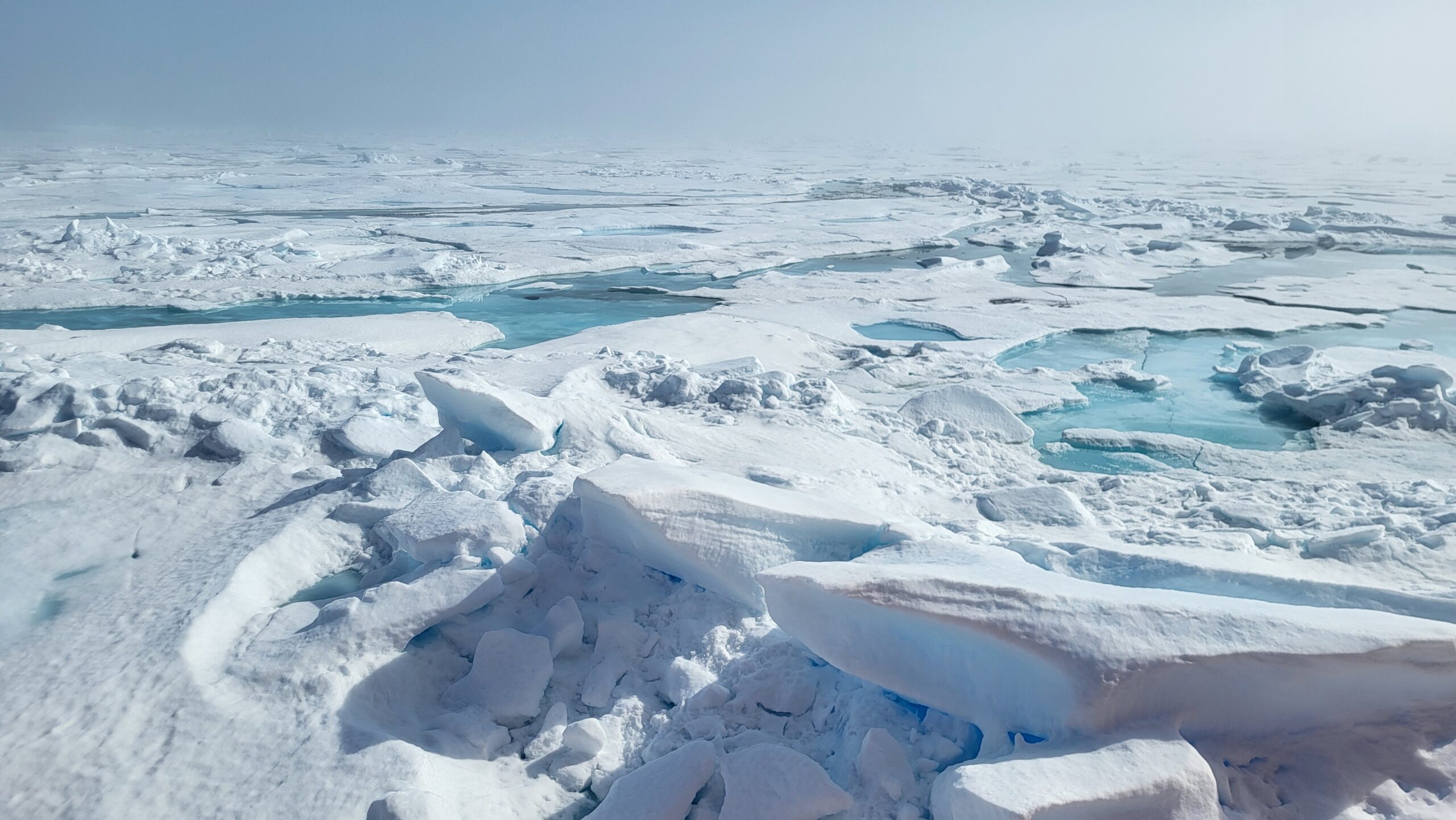
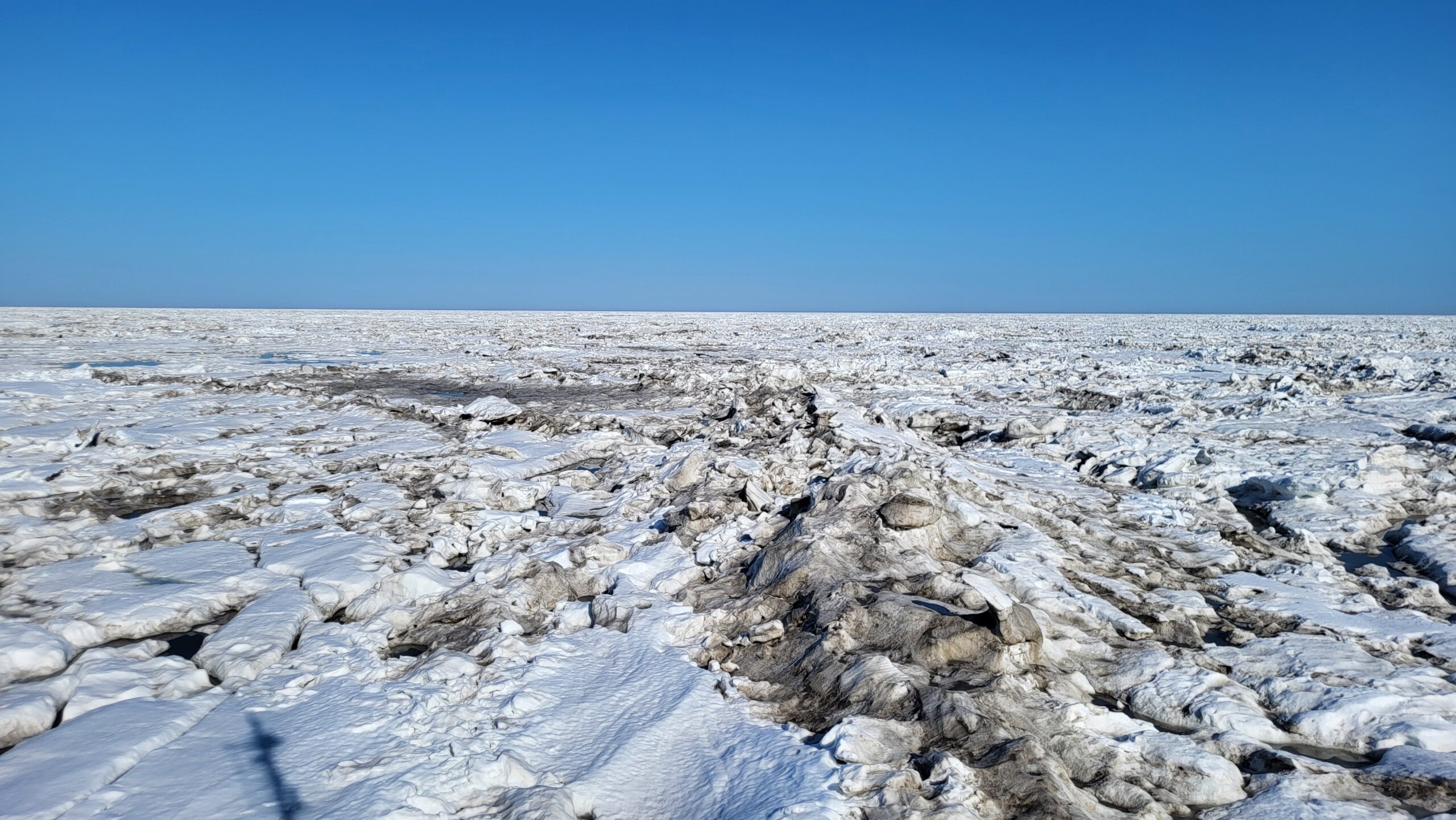
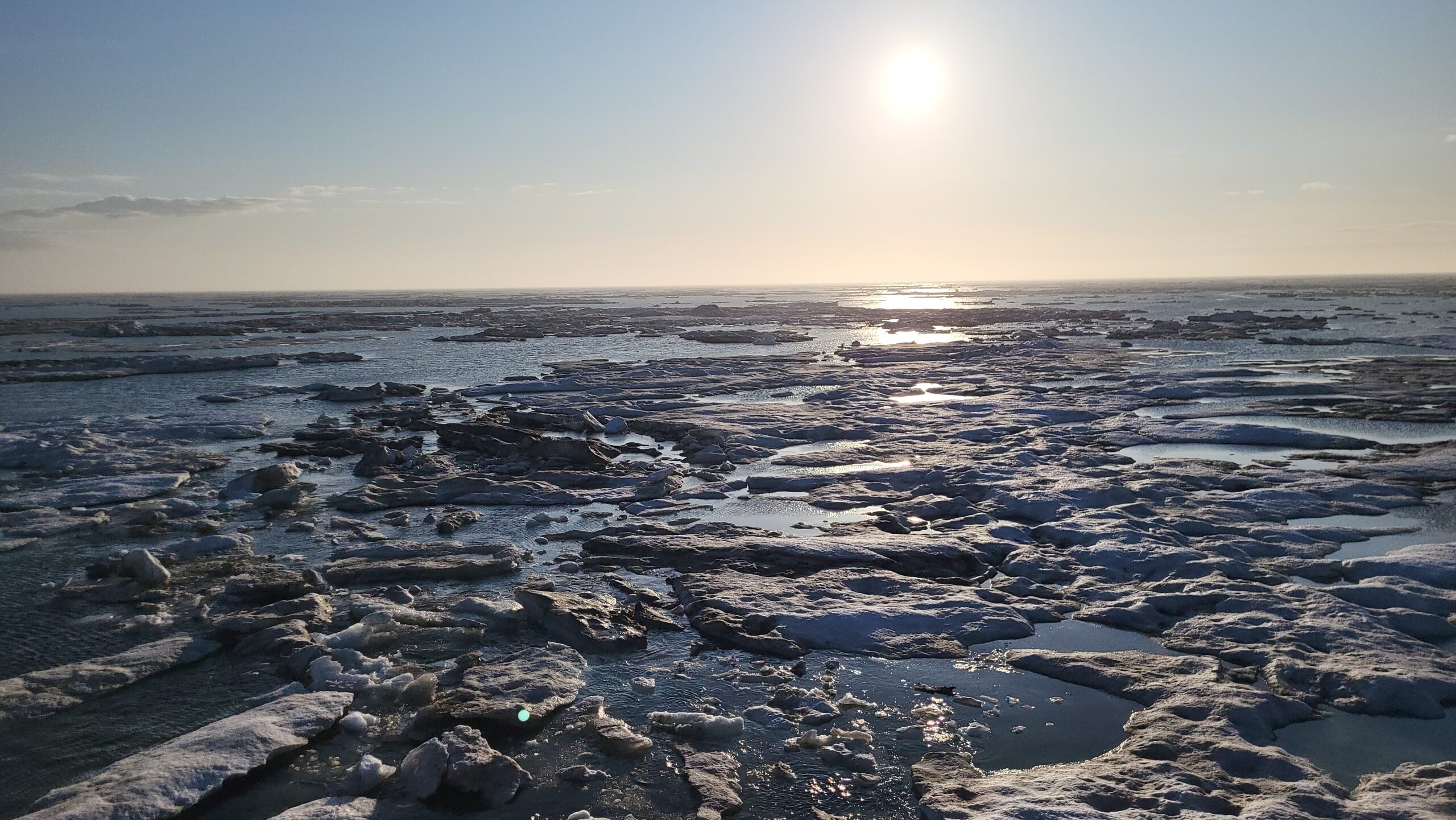
This week was a little slow on the Healy (literally and figuratively). We were transiting through really thick sheets of ice, and also celebrated the 4th of July. The festivities included movies like Independence Day and American favorites like grilled burgers, hotdogs, and of course popcorn. Although I did miss out on celebrating with friends and family back home, not many people can say they celebrated a major national holiday while transiting through ice in the Arctic Ocean.
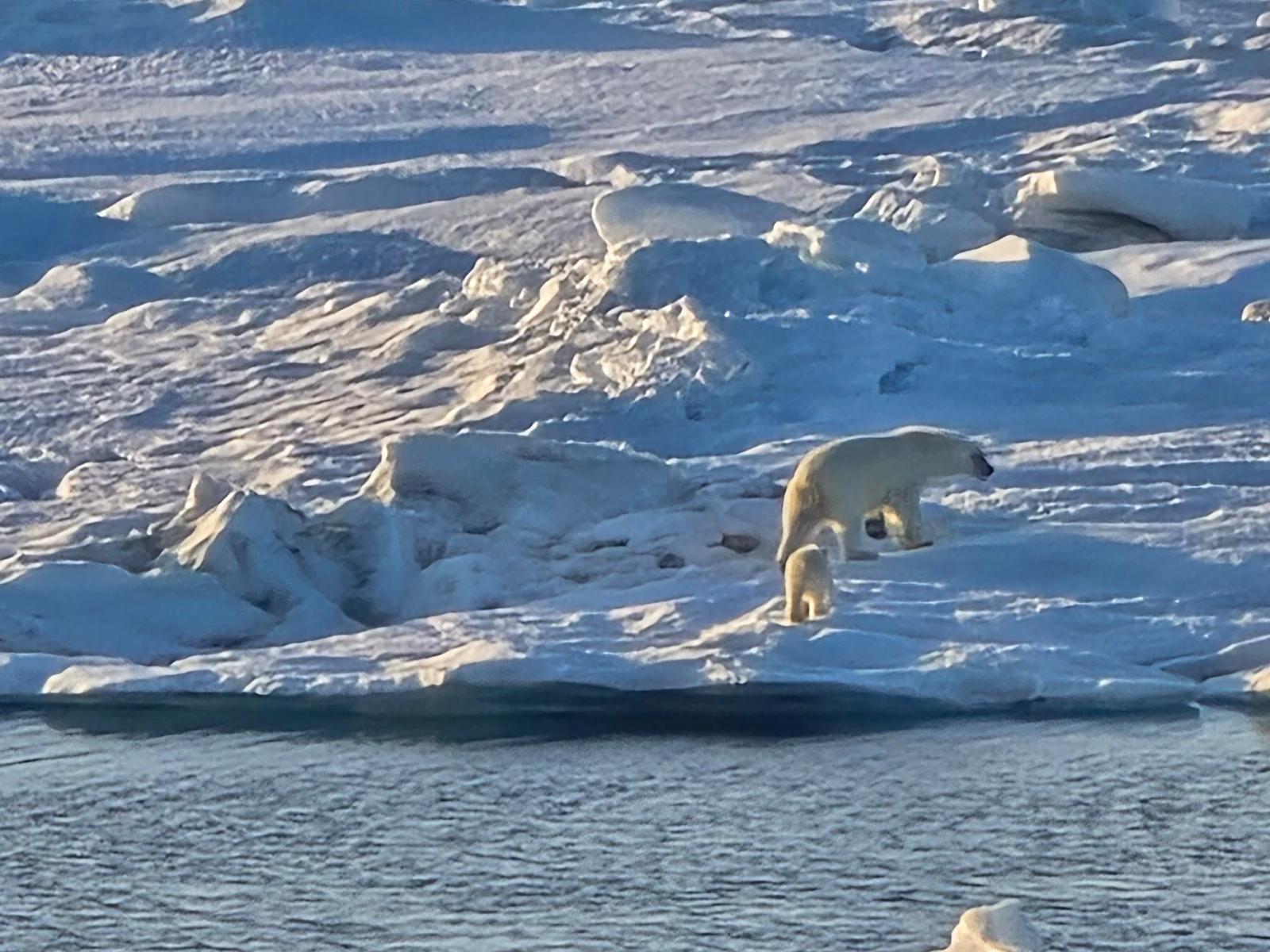
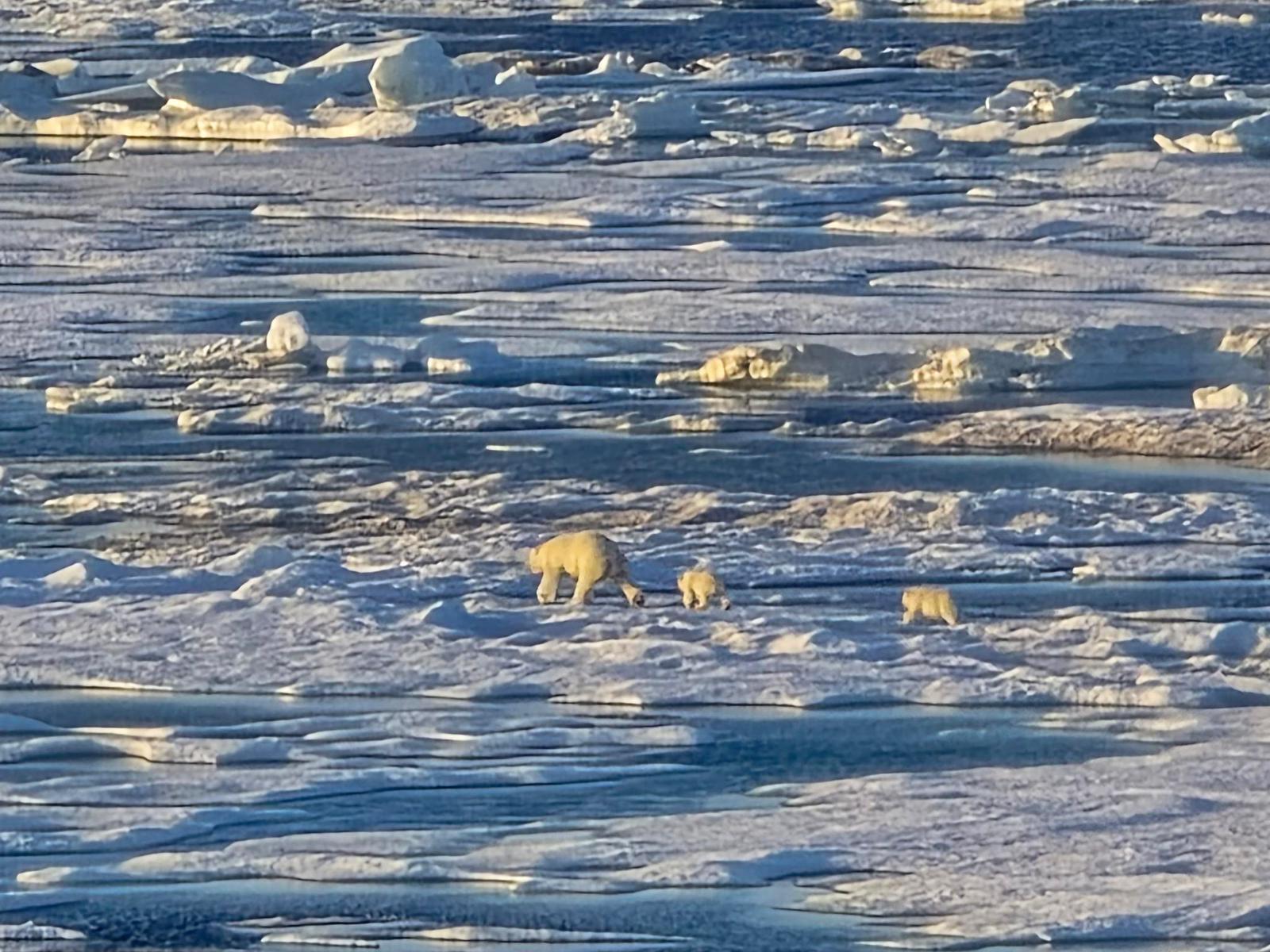
Even though we had a slow week, we had some amazing wildlife encounters, seeing plenty more pinnipeds, but more amazing was seeing numerous polar bears, including a mother escorting her two cubs! Seeing these wild creatures in their natural habitat was truly exciting and it was fun seeing all the crew trying to find them with binoculars or telescopes.
As this leg of the cruise is coming close to an end, I have become much more versed in the more important underway collection equipment like the echo sounders and the water walls. While a wastewater dump was happening, we realized we had to turn off our seawater collection to avoid contamination and bad data. This allowed me to learn how to use the freshwater systems to flush both water walls. Now that I have more experience I was tasked with opening one of the water walls entirely on my own while Christina was opening the other water wall. It is beneficial to open both at the same time because the seawater flow goes through the main wall, then continues on to the second wall so when you adjust the flow on one it affects the flow to the other. You generally want the flows to stay the same across both water walls during data collection.
It’s now been a few days since we have been out of the ice but it was a crazy experience hearing and feeling the crushing and scraping against the hull and a totally different experience to being rocked to sleep by the waves. Not to mention not seeing a sunset for almost two weeks!
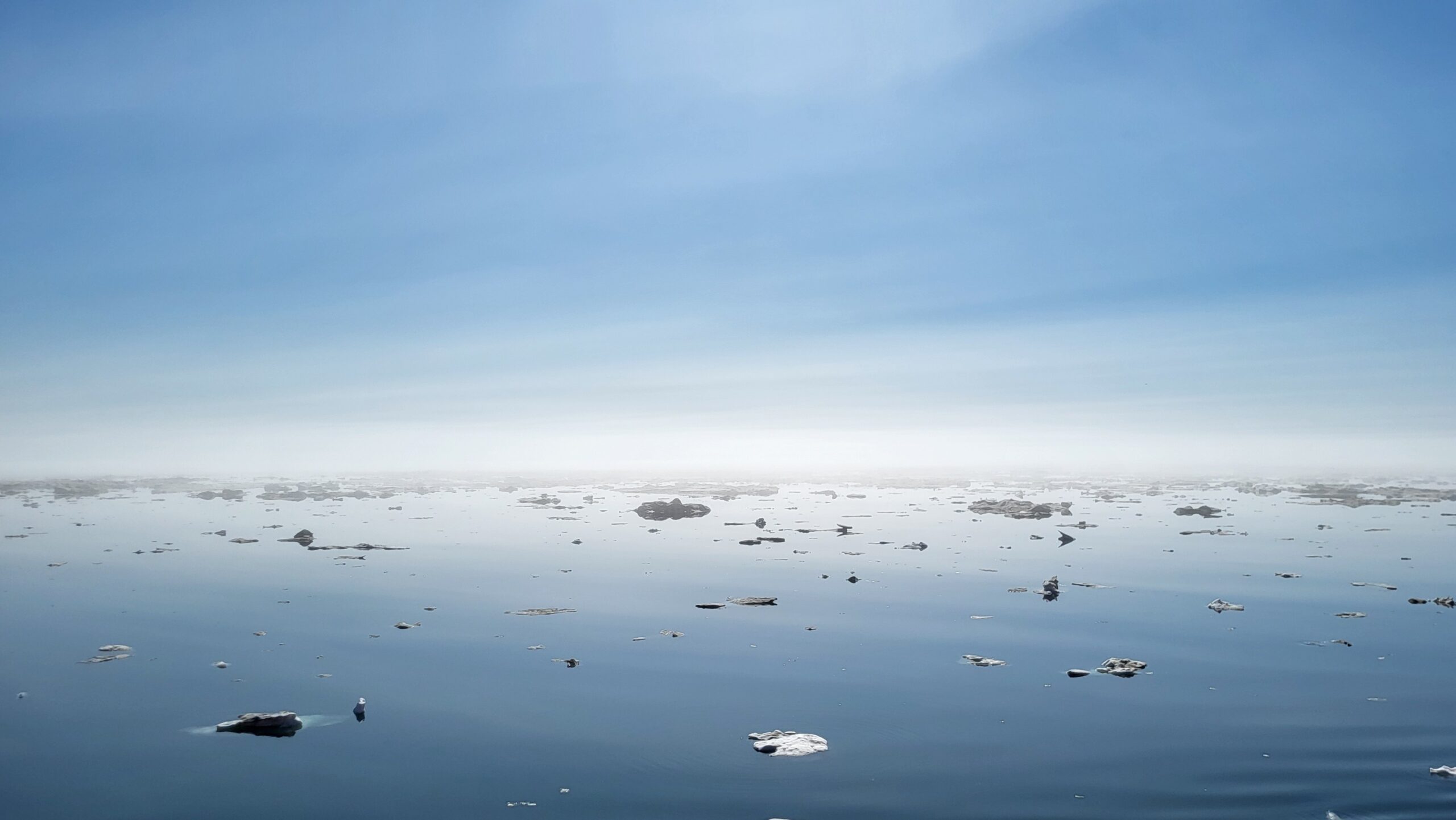
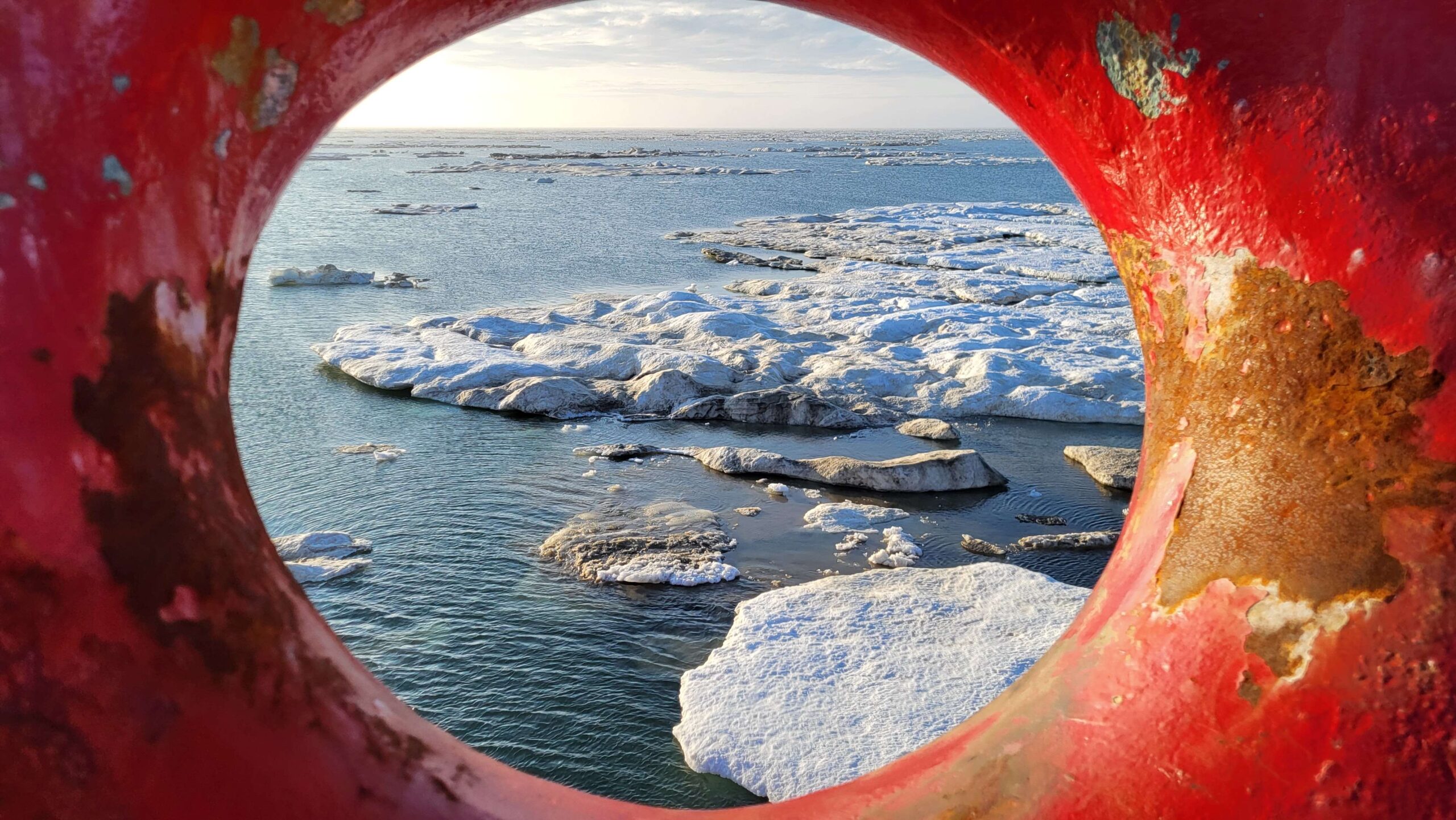
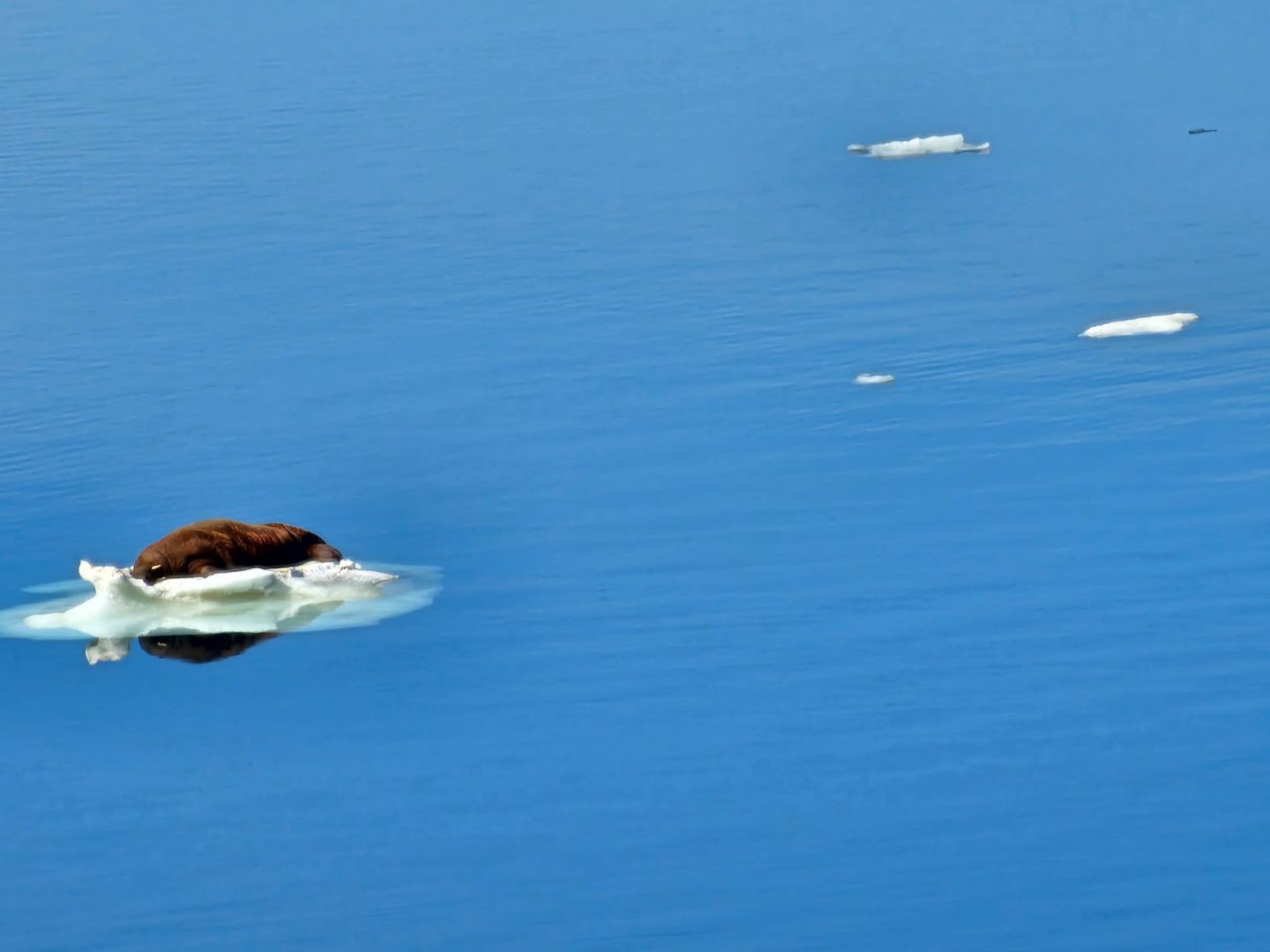
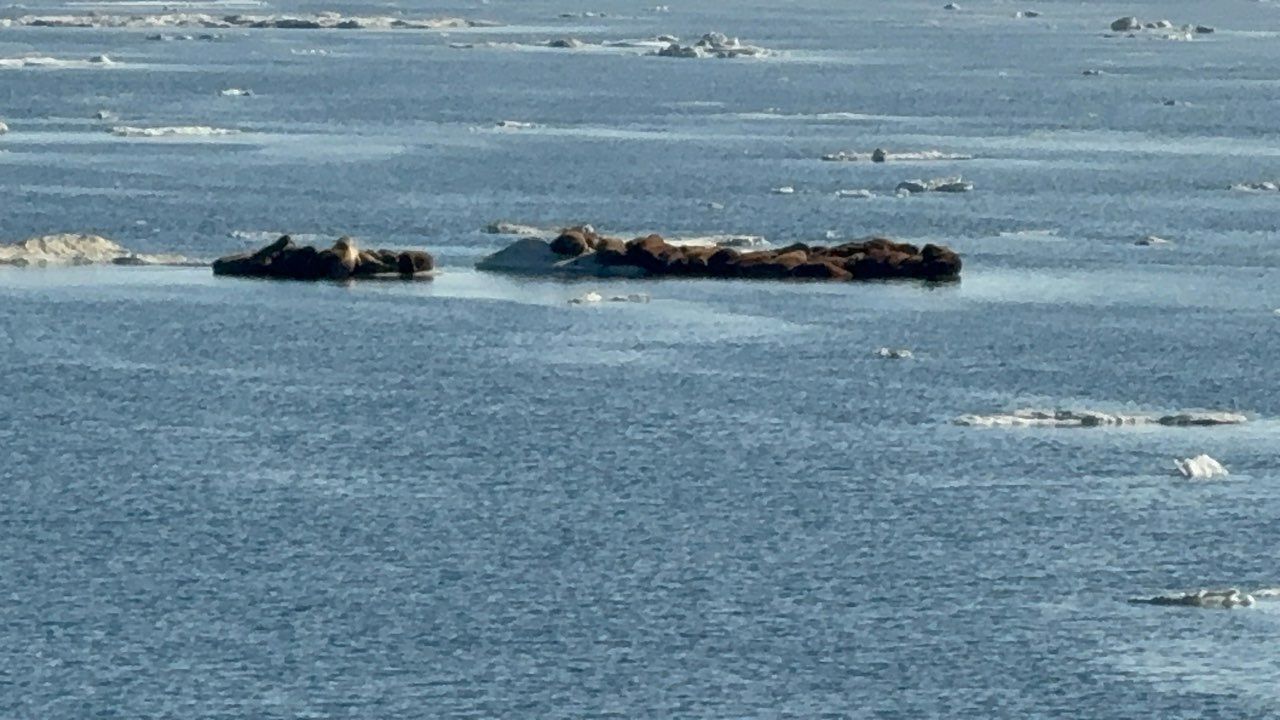
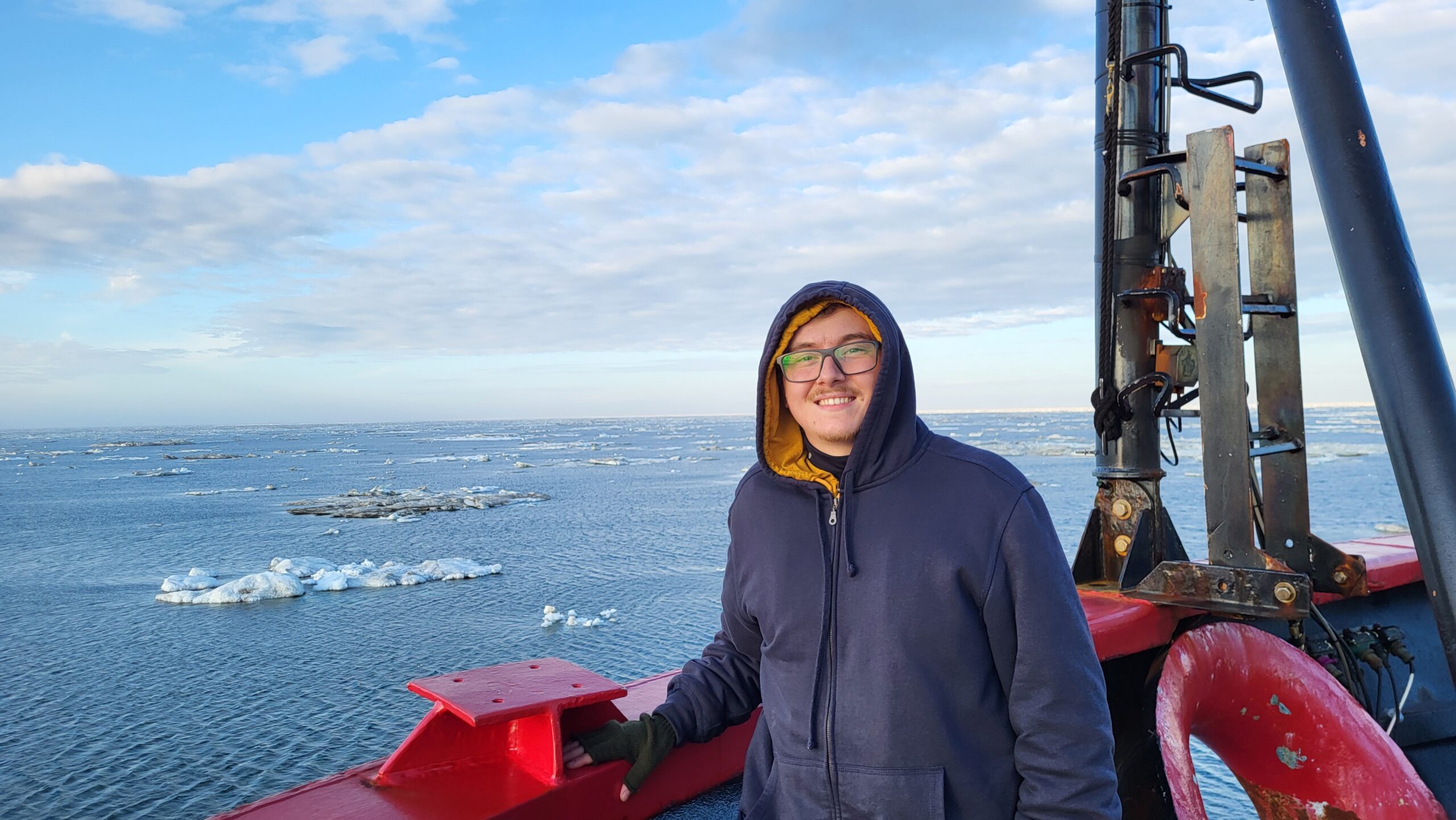
Week 2 on the USCG Healy was definitely an unforgettable experience. We have hit sea ice! Something that most people from New York City might not ever have a chance to see in person. This has brought a variety of arctic sea life within visible range of the ship including sea birds, jellyfish, and marine mammals such as whales, seals, sea lions, and walruses.
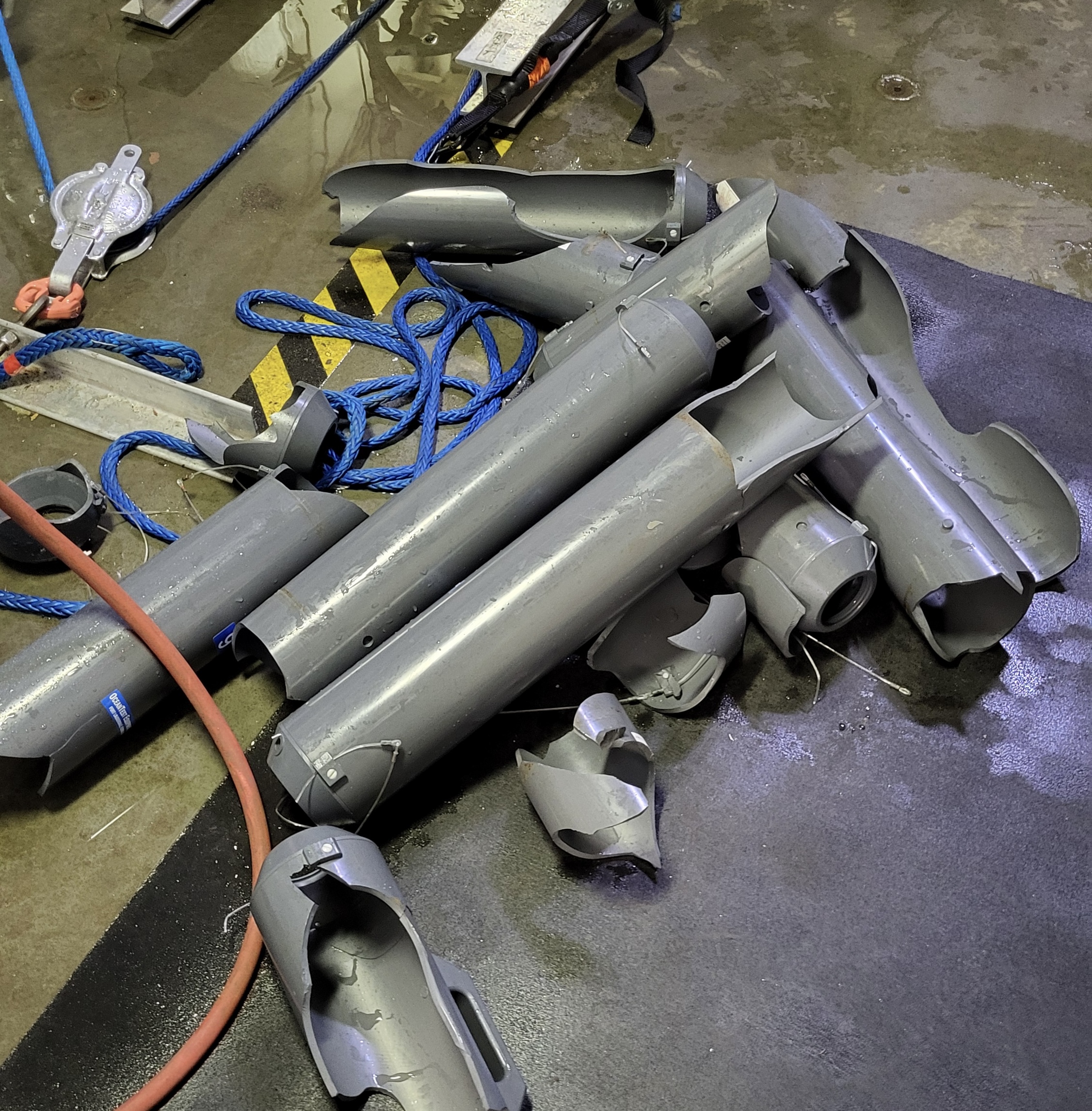
I started the week inventorying how many Niskin bottles remained after we had an accident in our CTD deployment. We got a harsh lesson on why you do not send the carousel down to depth with some bottles open and some closed. This resulted in a number of bottles imploding. None of our sensors were harmed and we didn’t lose all of the bottles so it wasn’t the end of the world, it did however become my job to test all the remaining bottles for leaks or cracks to determine what needs to be replaced.
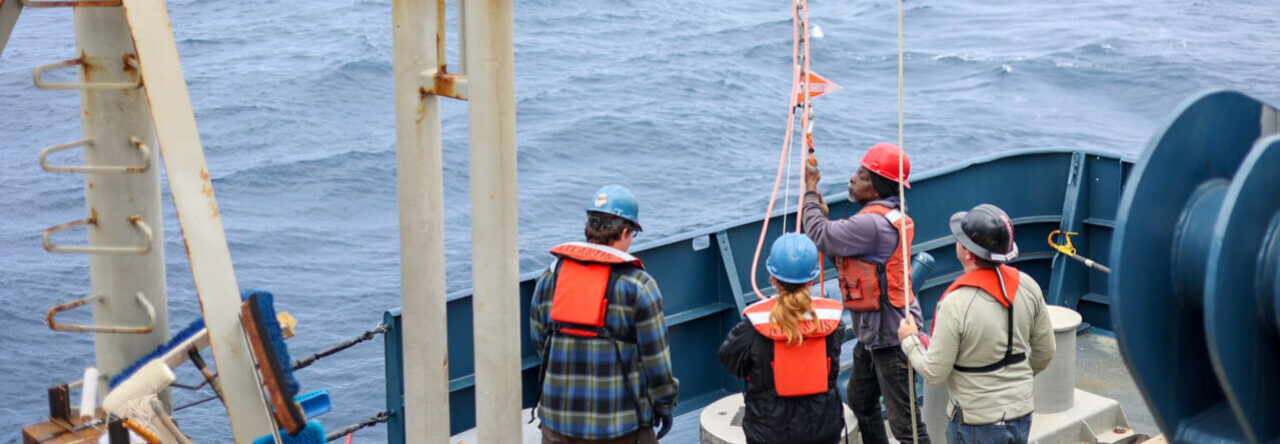
Now that I am more familiar with the shipboard sensors and equipment I have been given a lot more responsibility. When aquatic mammals are reported by the bridge, the first thing that has to be done before running out to take photos is to turn off all of our acoustic sounders as they can harm their vestibular systems. Cetaceans and other mammals can lose their sense of direction and ability to communicate when high frequency sonar equipment is pinging. When the sounders are turned off it has to be electronically logged which I learned how to do. I have also been responsible for flushing and cleaning the water wall filters when they get clogged with biofouling or sea ice.
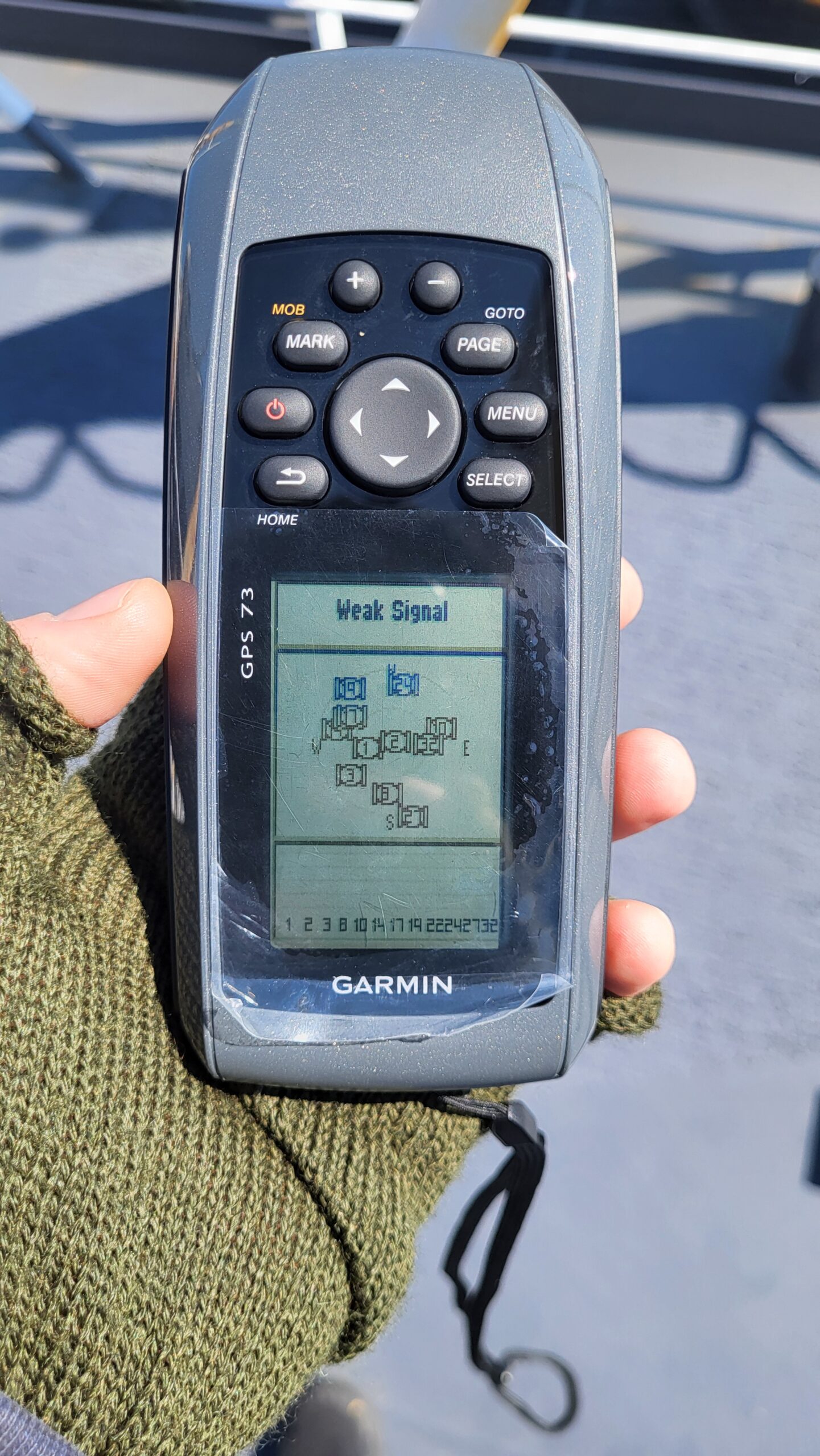
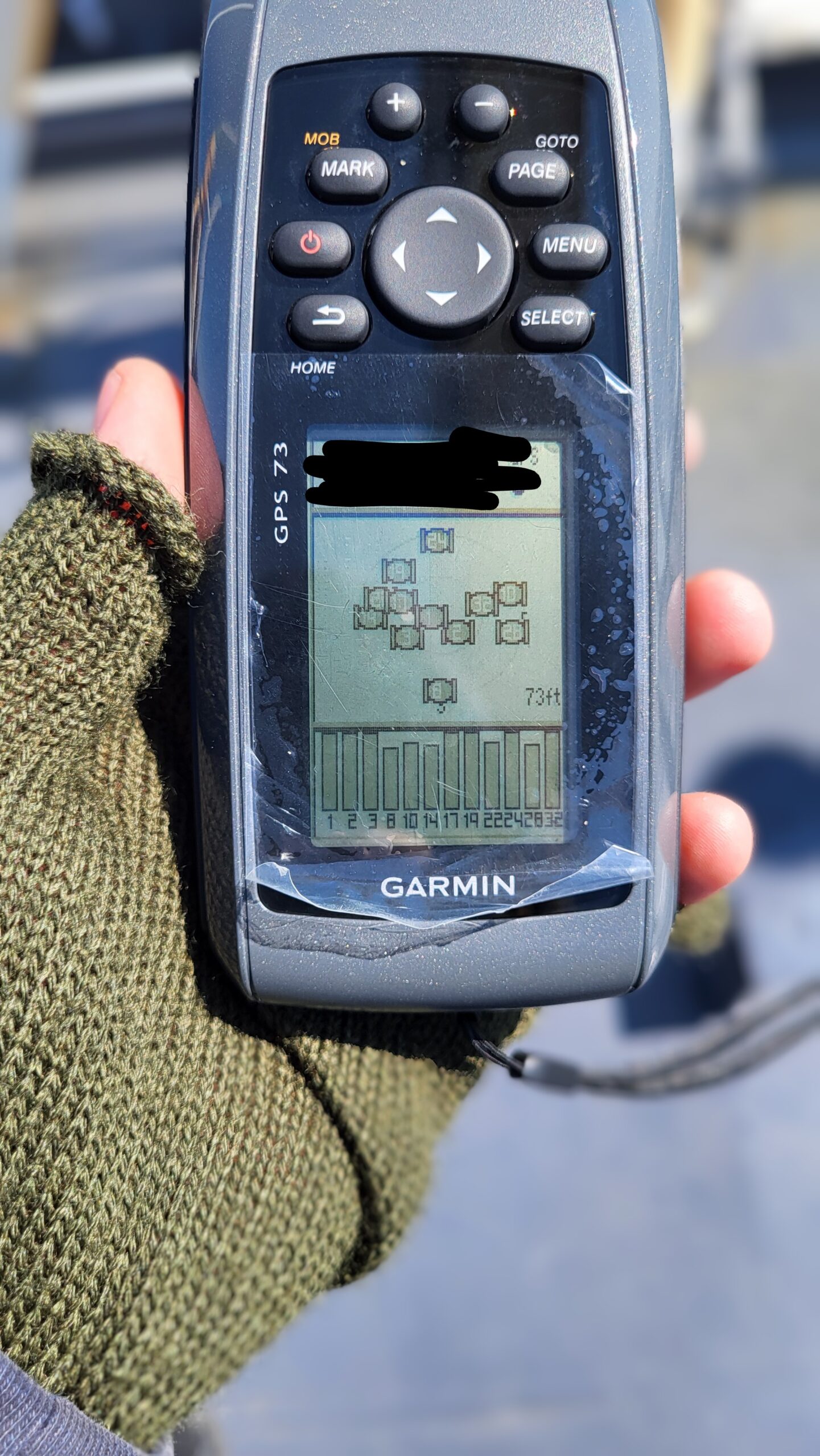
This week the STARC team has been focused on trouble shooting our Seapath GPS. We were experiencing major interference and weren’t sure what the issue was. While our GPS data isn’t used for navigation we use the data in our depth sounders and meteorological sensors for more accuracy. First we tried using a spectrum analyzer but after not being able to hone in on what frequency was causing the interference I was tasked to walk around all of our antennas with a handheld GPS. Shown in the photos you can see what a good satellite signal looks like and what a bad signal looks like. Using the handheld we were able to determine what device was causing our interference, and we will do further testing to see if it was a bad antenna, receiver, or cable fraying.
I look forward to continuing to share my experiences on Healy on this incredible cruise that I was lucky enough to be a part of.
I arrived in Seattle, Washington last week to start my journey as a MATE intern aboard the USCG Healy. My first day on base there was an issue which led me to having to stay my first night in a hotel, which wasn’t a big deal as I was able to see T-Mobile park from my room while a Mariners game was going on.
The next day I was able to get on board the ship with no issues! After finding my stateroom and getting a quick tour me and my team(consisting of Christina from the University of Washington, Howie my mentor for the trip from the Scripps Institute, and Joe from Ohio State University) had to run errands to prepare for the next few legs the Healy would make. This included going to Home Depot for heavy duty Super 88 electrical tape(the coasties on board call this “science tape”) and some other hardware, Costco for snacks, and a new suitcase for Howie cause his wheels broke boarding the ship.
The day before departure I assisted Howie and Joe in performing a land tie using a gravimeter. The gravimeter is used to track Earth’s gravity at any given point, while the land tie was performed to reference our gravity readings to a known location that had its gravity tests done back in the 1970s to ensure that our data was normal. The gravity tie is referencing the ships gravity data with data previously collected over time to check for consistency.
I spent the next day getting familiar with the ships different instruments which includes but is not limited to the gravimeter, motion reference unit, multi beam and single beam depth sounders, MET sensors, CTD, Picarro, as well as programs such as OpenVDM and OpenCDN.
One of my main tasks has been to monitor the water wall, which is the STARC teams water flow through system used to track things such as seawater temperature, salinity, oxygen levels, and chlorophyll levels. The water wall needs to be monitored as it can get clogged from bio material coming through the system as well as the sensors themselves are very fragile, and if for some reason the flow rate is too high they can break. When you are out at sea for weeks at a time you don’t want things that can’t be replaced breaking surprisingly.
Towards the end of the first week the weather was good so we were able to deploy the CTD carousel. CTD stands for conductivity, temperature, and depth, and it is an instrument that holds 24 bottles that can be remotely closed individually at the depths scientists are trying to sample water from. I helped Christina prepare the cable termination which is very important as it is not only the data transfer cable but also must be wrapped in a steel sheath in order to shackle to the winch for deployment. If this termination is too short or too long it can snap under the weight of the CTD. Different from most research vessels instead of the science or STARC teams operating the winch the Coast Guard does the actual CTD deployment, but I was able to observe as well as be the one to fire the bottle remotely. There are no science teams on board so this deployment was mainly practice, and we successfully deployed to 2000 meters deep and retrieved the water samples.
I ended off my first week with what the mess calls Sunday Sundaes in which a variety of ice cream and toppings are served which was a nice treat after a long week.
To sign off here is a photo of my last sunset in Washington before heading for the Gulf of Alaska. Goodbye Seattle!
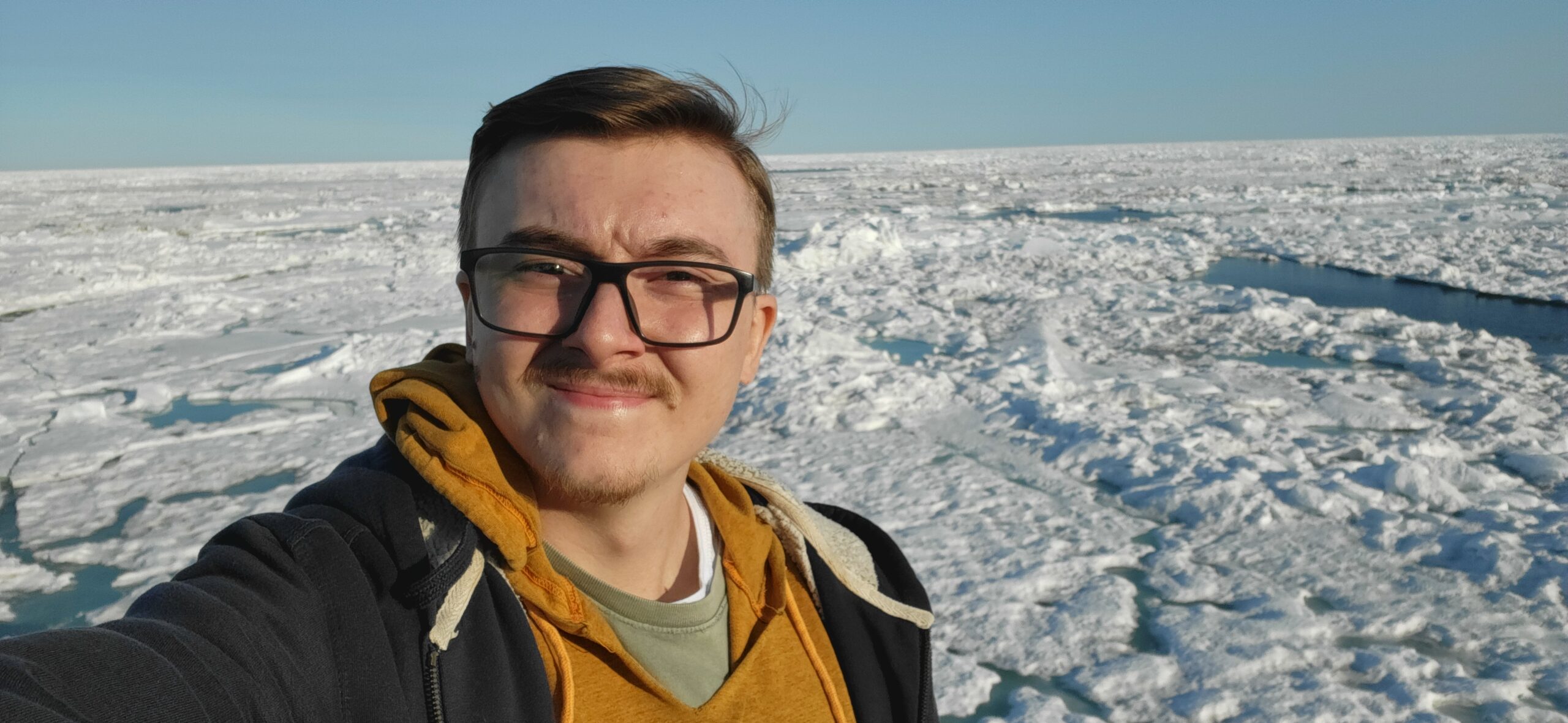
My name is Brian Samuelsen, I’m from Brooklyn New York and have just finished my Associate of Applied Sciences Maritime Technologies degree at Kingsborough Community College, and am pursuing a bachelor’s in marine engineering from SUNY Maritime starting in the fall.
I am privileged to have been chosen to be hosted by the STARC Team aboard the USCG Healy this summer to perform science expeditions and I could not be more excited. I hope to use the time to learn more about research instruments, Coast Guard operations, and just life at sea, as this is my first time going out for an extended period of time.
Some of my hobbies include video games, fishing, and hunting for fossils in New Jersey creeks. My favorite sports team is the New York Mets, and I am proud of my strong Irish heritage.
I will continue to post updates over the following weeks as I progress as an intern, and aim to provide an in-depth look at to what I get to learn from this experience.