Author: Conrado Alejandro Acevedo Batiz

Week 3 – “Leave Her Johnny” [HNL:MAJ]

–Underway from MAJ–

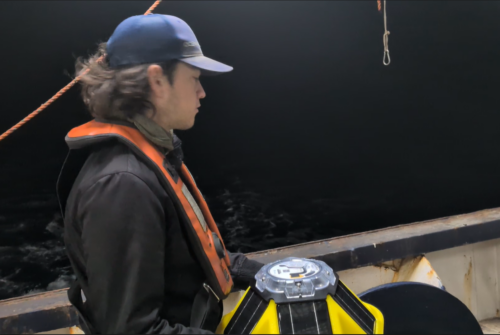
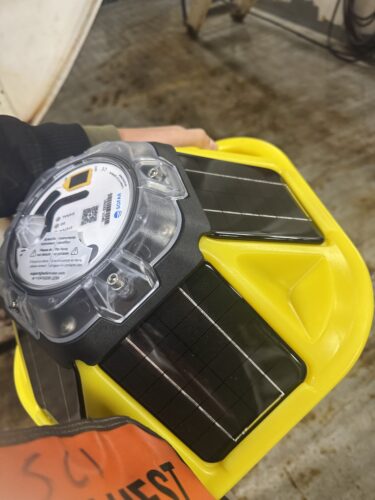
For the final week of this internship (May 1-9) we finalized our pending tasks of installing all the new phone lines in the portable labs along with several internet access points and a few more SOFAR Buoy deployments.
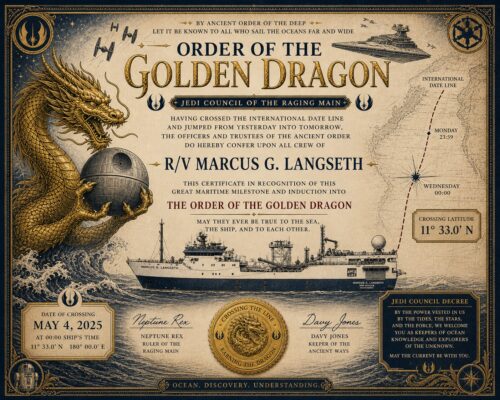
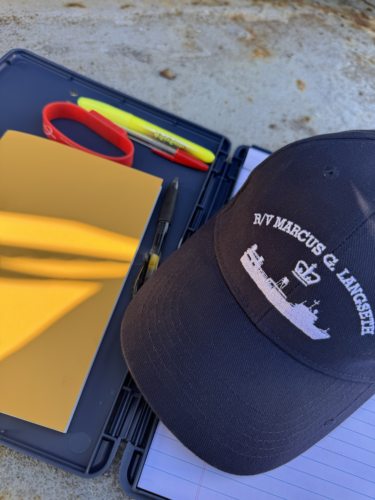
Before that however, we crossed the anti-meridian and successfully completed the “Order of the Golden Dragon” sailor’s merit, which just so happened to occur on May 4th and inspired Cody to create a commemorative print out (with some minor adjustments).

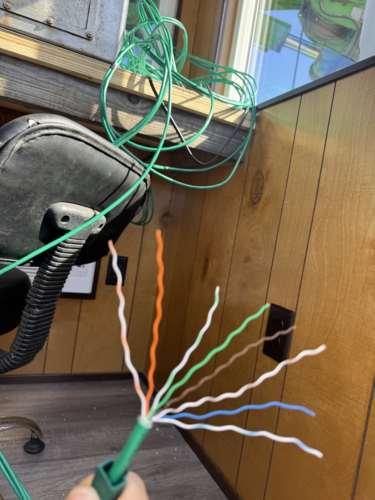
The first part of this task included setting out 6 sets of CAT5e cables, each measuring approximately 15 fathoms of length. After setting these cables and terminating both ends, we fed the lines into our port lab switch box before inserting 2 cables into each of the DICE portable lab transits.
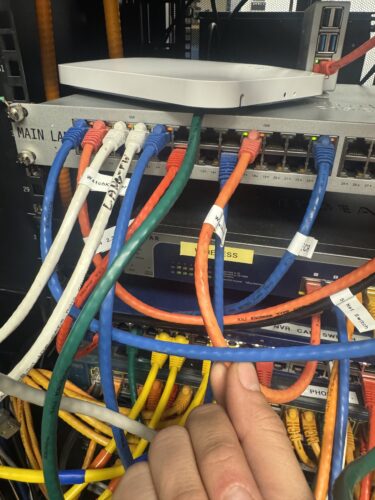
After troubleshooting a faulty port in the main lab server rack, all lines responded well to our internet access point modems and phones which lead us to wrap up our work and close the transit. For our remaining work, we assessed a previous gravity tie and land tie in order to determine our delat and rate of change between previous readings, which as metadata could be used to determine if e would need to have the gravimeter recalibrated soon. We also had enough time before reaching Majuro to set up another CAT5e cable in a POE termination pattern for the aft IFR camera, which will serve as a useful tool for supervising seismic gun operations and ensuring no sealife are around high risk sections. Finally, I also had the opportunity to practice XBT launches, which will add a new incredibly relevant skill to my professional summary.

–Arriving to MAJ–
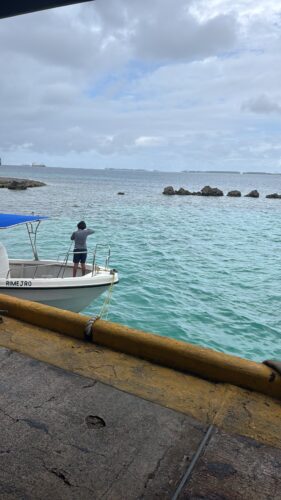
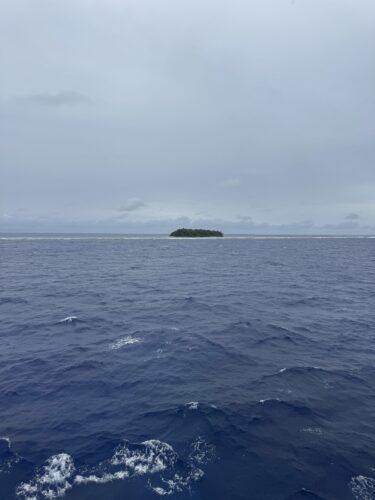
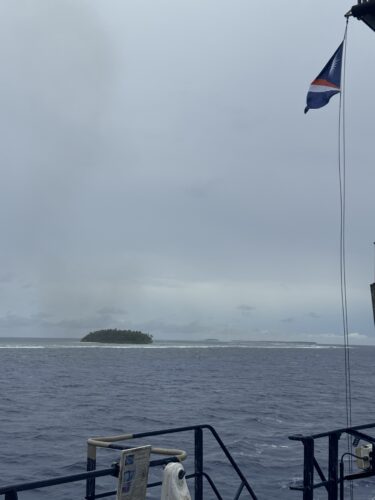
We arrived to Majuro a short while after finishing our work, and I was able to spend some time ashore speaking with the incoming technicians and science team, in fact, Theo (previous MATE intern and current field scientist aboard the R/V Langseth) and I got to meet up and talk about how much this program has changed our careers.

–Final Thoughts–

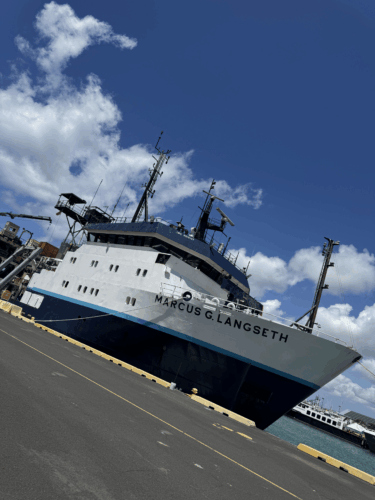
As this program comes to a close, I want to thank the R/V Marcus G. Langseth’s crew for being so welcoming, and I especially would like to thank Jacob Greenberg and Cody Bahlau’s tremendous guidance throughout this program. The UNOLS-MATE program has made me a much more confident scientist, oceanographer, and maritime technician, and will surely lead me to a successful career in the near future, for now however I say farewell and hope to have even more stories to tell some day, whether online or in person when we recognize each other in a remote part of the world.

Yet for now, fair winds and following seas!

-Conrado A.B.
Week 2 – “Rolling Down To Old Maui” [SAN:HNL:MAJ]

–Underway from San Diego—

During the second week of this expedition to Majuro (April 24-30) we were able to successfully reterminate the CTD sea cable and through doing so solved the persistent shorting problem we had noticed during the end of the first transit week.

As such we immediately began testing and re-assessing the communication between the deck box and CTD, which we found to be nominal. To add to the excitement we also crossed the Tropic of Cancer a few hours after, marking our approach to the islands of Hawaii. As our next objective we began fixing and preparing the ship’s deck equipment for future use, such as attaching metal fasteners to allow our extension poles to hold boat hooks.

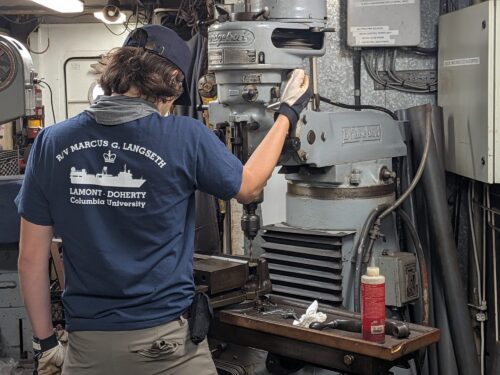
By drilling pilot holes using the ship’s mill press, we were able to bolt the fasteners and poles together at a point that would allow them to reach their maximum height. Shortly after, we began preparing for our arrival in Honolulu by further securing sensitive cargo such our CTD with a tarp and cleaning our major workspaces such as the “gun shack”, “tech shack”, main lab, wet lab, dry lab and our metal shop.

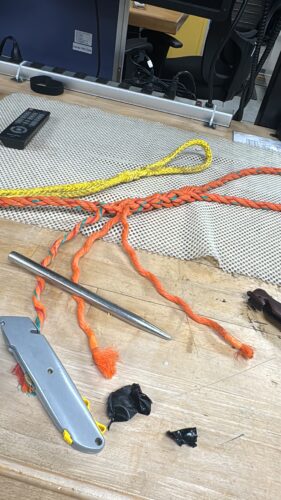
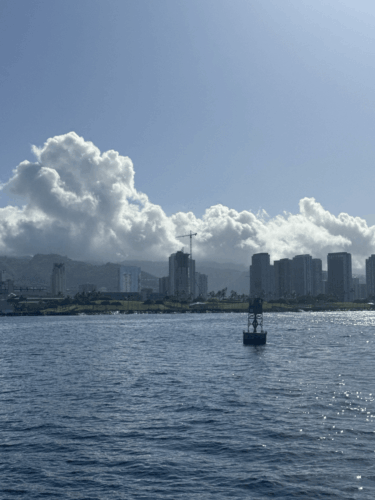
Taking advantage of the bit of downtime we had available before having to shut down our sonar systems, I had the opportunity to practice splice knots and learn how to terminate CAT5 cables. In the last few hours of our approach to Honolulu we shut down our major sonar systems and did our final set of checks before shutting off analytical systems such as the pCO2 system in port, and had the great opportunity of exploring some of the island before our departure the next day. I took the opportunity to visit sites like Pearl Harbor, Waikiki beach, and the site of Sailor Jerry’s original tattoo shop where he developed the modern americana style of sailor tattoos.

–Underway from Honolulu—

The next morning we began making our way out of port and headed out for Majuro, as our first priority, my mentor Cody Bahlau and I began talking about the objectives we would be working on during the transit to Majuro which varied from terminating new cabling to installing a new FLR camera on the OBS deck.

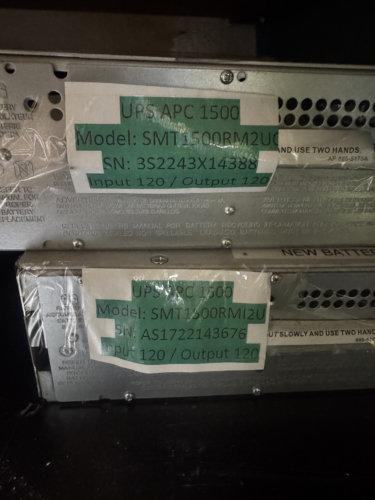
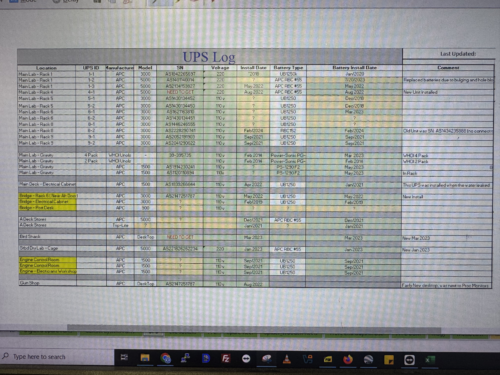
Taking advantage of our initially calm waters we decided to start by fully inventorying and organizing our APC battery supplies, we also updated our logs to identify if any batteries in use were due to be swapped from the ship’s power. Further on we launched the first SoFar buoy/sensor of the transit and had our weekly check in with the rest of the tech team to review our current goals, ongoing projects, and a review of any pending questions or issues.

The next day we wrapped up the week by reterminating our remaining CAT5e and CAT6 cables along with setting up the working directories for interdepartmental phones that will be installed inside the portable scientific workspaces found throughout the ship.

Our work continues on the ship and weather has remained calm on our departure from Hawaii, although it has begun taking a turn for choppier waves.

I’m excited that we continue to approach the antimeridian and will successfully cross it during the last set of days in our journey, completing the sailor’s achievement of “Domain of the Golden Dragon”. Sadly we will be crossing just 2 degrees north from the equator and won’t complete the “Golden Shellback” achievement. This internship has been a tremendous aid in sharpening my skills and further understanding a marine technician’s role aboard oceanographic research vessels, and I greatly thank everyone who has been a part of supporting and mentoring my journey!

Fair Winds and Following Seas,

-Conrado A.B.

WEEK 1 – “Anchors Aweigh and Getting Underway” [SAN:HNL] – Conrado

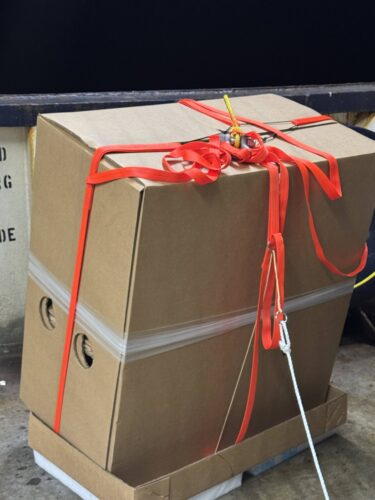
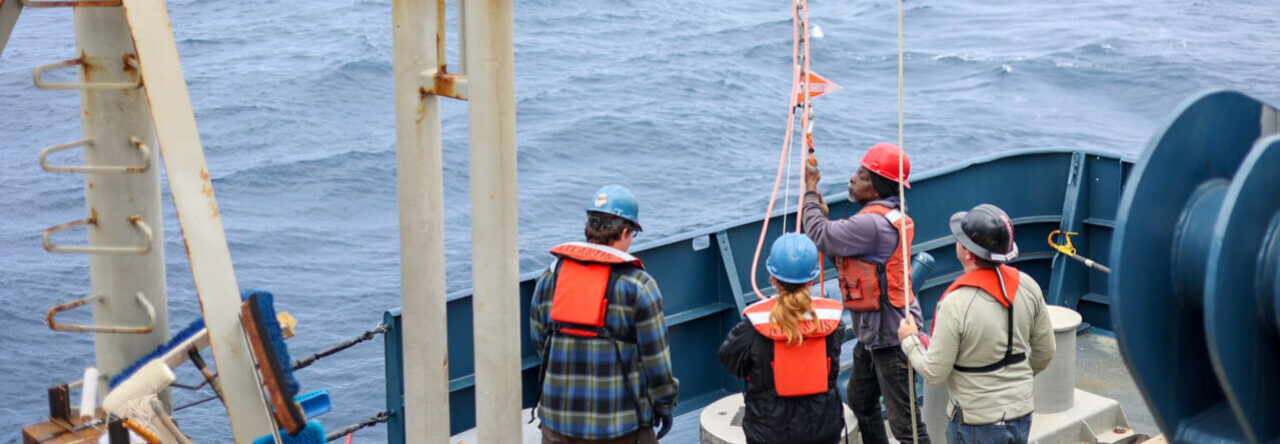
Over the course of this last week (April 15-23), I’ve had the great pleasure of assisting in the R/V Marcus G. Langseth‘s procedures for getting underway and initiating its essential scientific systems. Two days before leaving port I arrived on the ship to begin loading and securing outgoing scientific gear destined for other UNOLS facilities such as the UH Marine Center in Honolulu. Additionally, we began stowing the mission critical equipment that we would later be testing, maintaining, and in some cases deploying. As such I began familiarizing myself with the ships laboratories and main deck spaces that we would be using over the next few weeks to deploy SOFAR buoys along with both “Deep” and “Core” variation of Argo Floats. A-Frame calibration checks were done to ensure accurate tension readings from the winch system and in order to begin preparing it for our use in future CTD/ rosette carrousel deployments. In our last day before leaving San Diego, we secured our remaining scientific equipment through the use of unistrut eye-bolts and ratchet straps before reviewing key documents related to the ship’s systems such as its coaxial camera to video system infrastructure.

—Underway from SD —

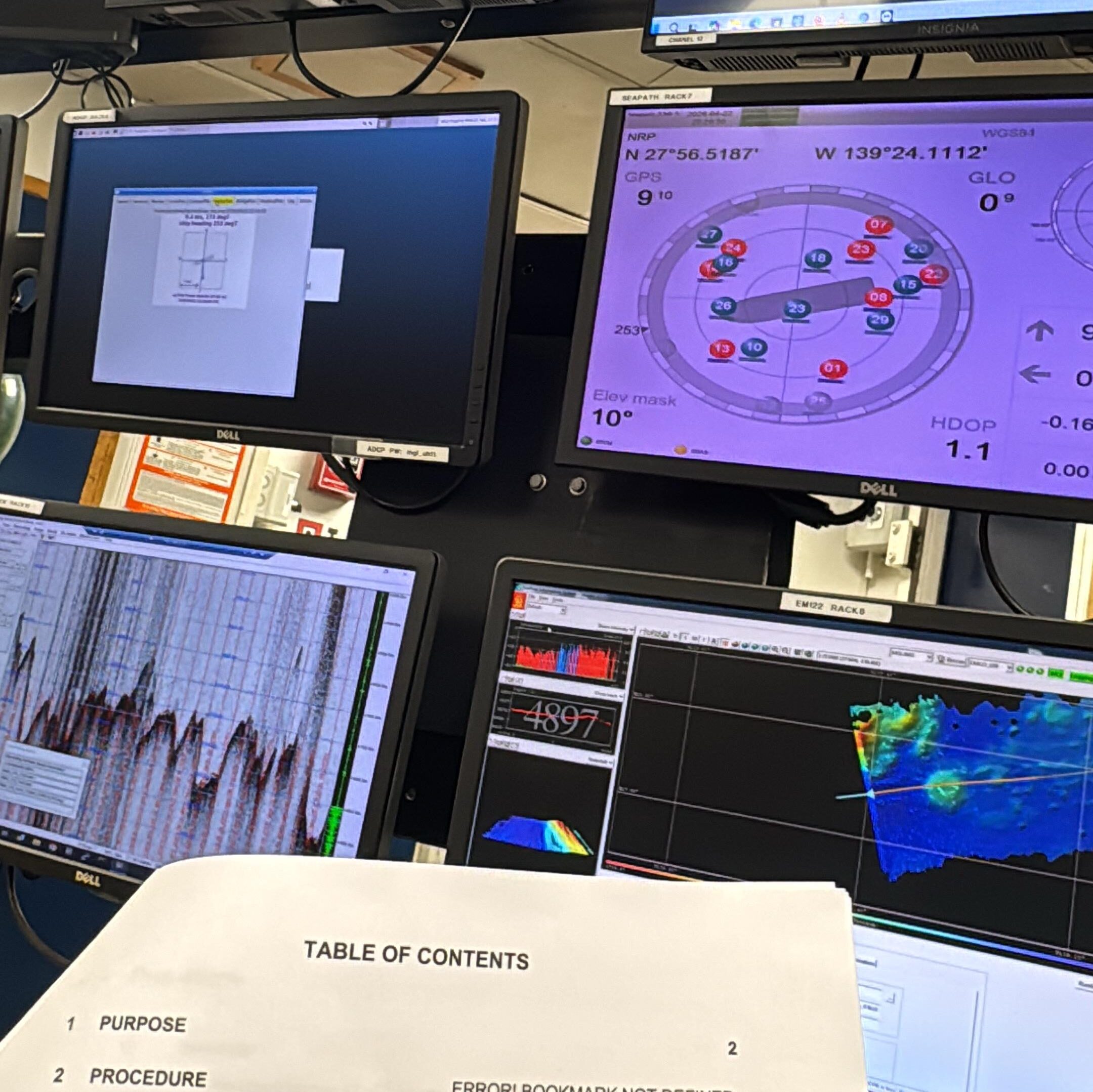
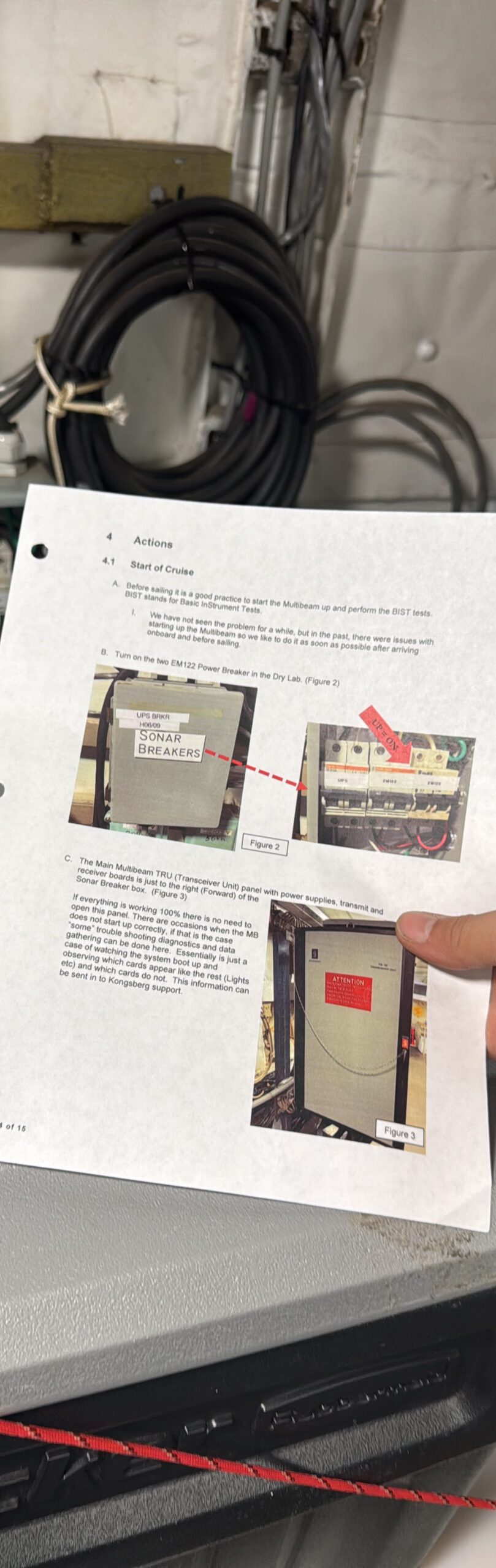
This first week of the transit from san Diego to Honolulu has been highly demanding and busy, we began the week with securing miscellaneous equipment while beginning our transit out of the bay and into deeper waters. Throughout this time we took advantage of the calm waves to add fixtures in both the ship’s wet-lab and dry-lab that would ensure better access and protection to the science team’s equipment, especially considering our expectation of encountering rough weather within the next few days. Once out of the coast, we began powering the ship’s multi-beam echosounder (an EM122 by Kongsberg), ‘CHRP’ ADCP (3260 Echosounder by Knudsen) and SeaBird SBE systems. Shortly after, we noticed incongruencies on the live data between the ADCP and echosounder’s depth readings and began early troubleshooting efforts which were finalized by that afternoon.

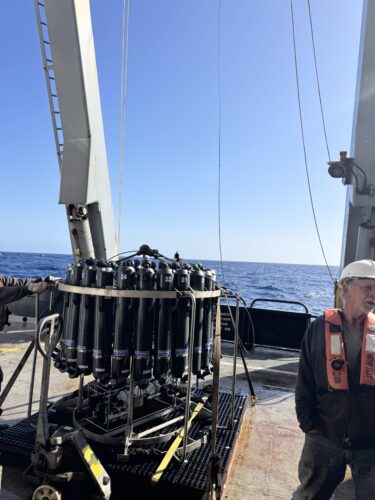
The next two days were spent focusing on deploying and testing our CTD system, during the morning deployment all systems worked nominally until we reached 100m, at which point we stopped receiving data but still held a firm connection between the deckbox and CTD module. As such the rest of the day was spent troubleshooting the system and having a post-launch debrief on our next steps.

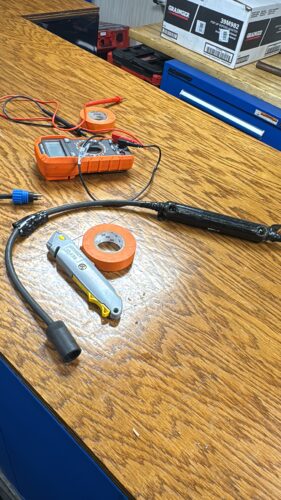
Later on we would find that the CTD’s deckbox to sea cable fuse had blown and as such began testing the sea cable’s wiring in an effort to locate a possible short, this would later lead to us tracing the short to the terminations between the seacable and CTD plug.

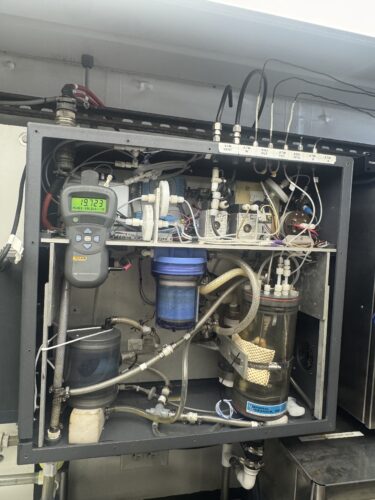
During the next day we deployed our first SOFAR buoy at 5am and as part of our daily checks ensured that the temperatures of our sample-housing refrigerator units remained nominal. As part of an ongoing project to improve the infrastructure of our pCO2 measuring system we also began mounting a dedicated bracket for it’s dedicated power station, that same afternoon we would also begin a lengthy process to activate and at times de-airlock this delicate gas-mixture dependent piece of equipment.

The remainder of the week would be characterized by troubleshooting some of the ship’s server room computers which had lost their remote-connection capabilities due to power lapses, along with launching two more SOFAR buoys, an Argo “Core” float and an argo “Deep” float.

Our work continues on the ship and weather has calmed extensively, dropping our previous roll of nearly 5.2 degrees and heave of 5m to a 1 degree roll and 0.5m heave. Conditions continue to improve with our approach into tropical waters and the next log will be marked by us crossing the Tropic of Cancer. I am extremely glad to have this opportunity of assisting on board and greatly look forward to the next few weeks!

Fair Winds and Following Seas,

-Conrado A.B.

Intro: Conrado Acevedo Batiz

Ahoy there and good timezones!
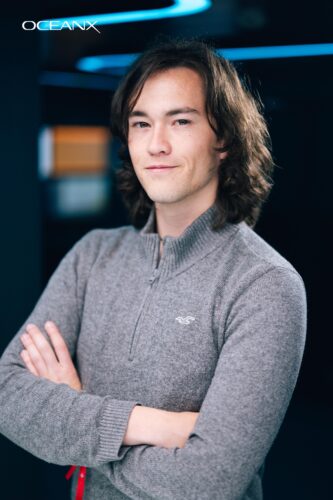
My name is Conrado Acevedo Batiz and I am a new intern aboard the R/V Marcus G. Langseth for the UNOLS-MATE program. I am an oceanographer and seafarer with a passion for exploration and expeditionary research, as of right now my goals are to become a maritime technician for oceanographic research vessels and I hope to one day become an ROV and submersible technician/pilot. I’m incredibly grateful for this internship opportunity and look forward to spending a month at sea learning from the highly skilled technicians and crew that make the RV Langseth such a valuable asset to ocean exploration and research. Cheers and pleasure to meet you!

Powered by WordPress & Theme by Anders Norén