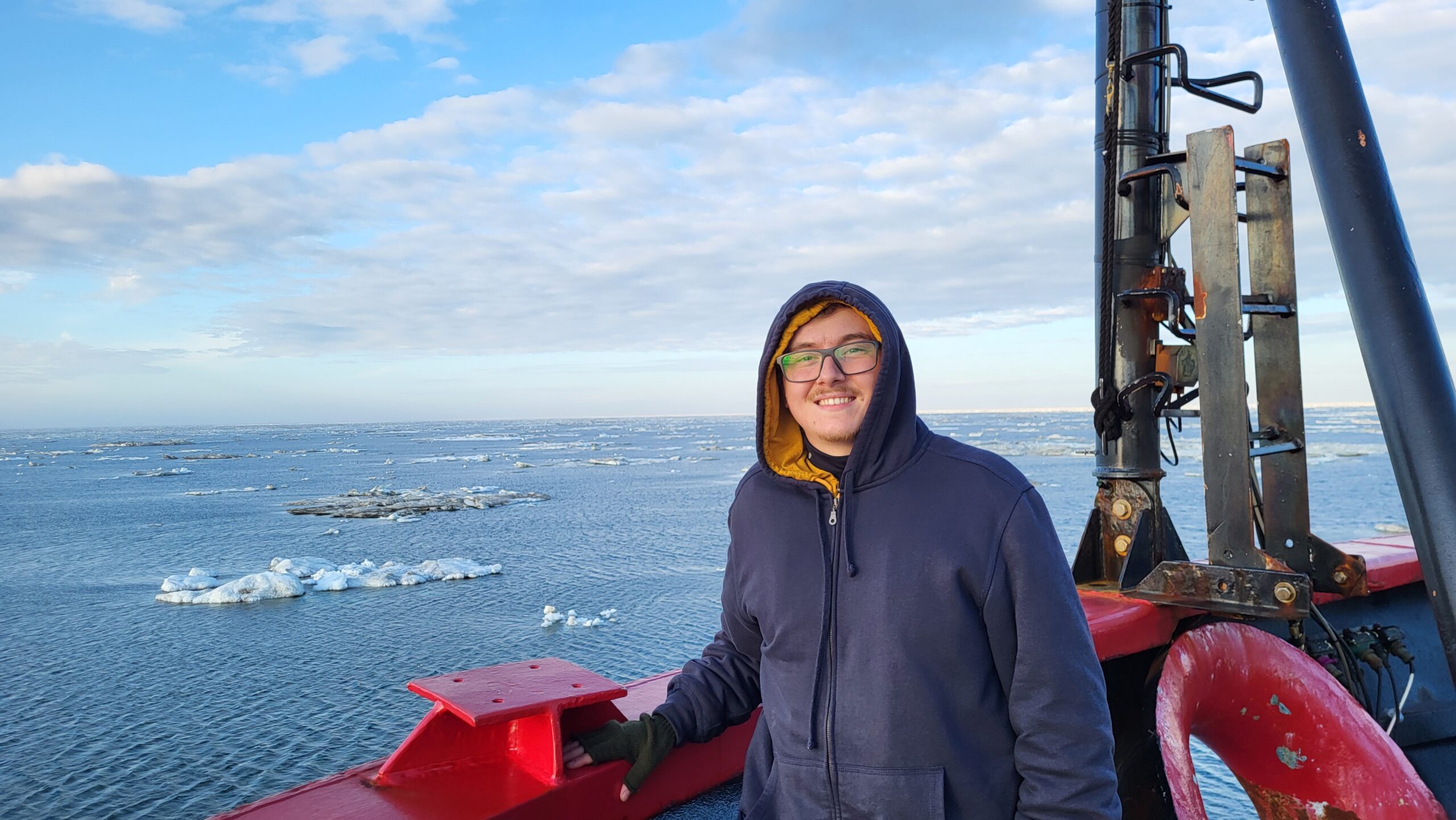
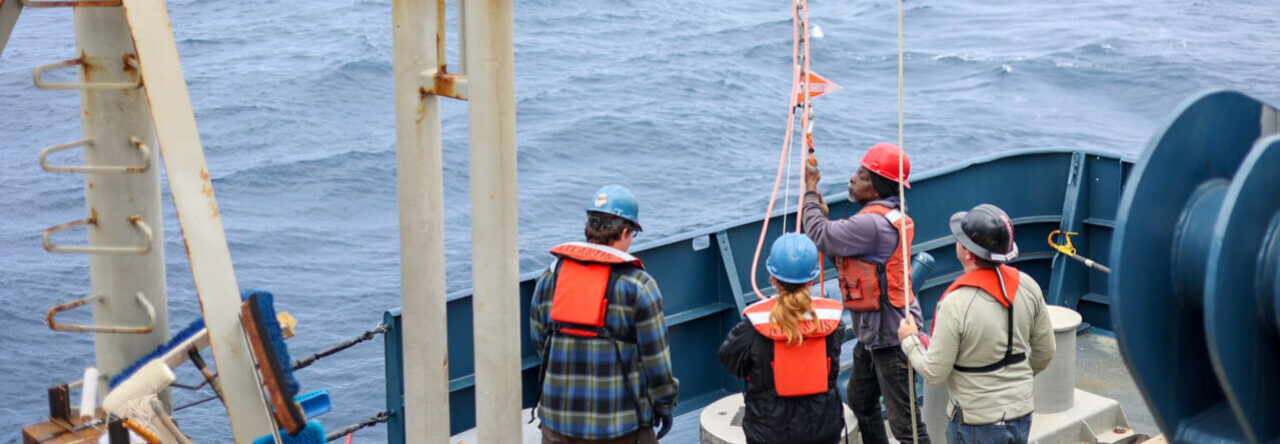
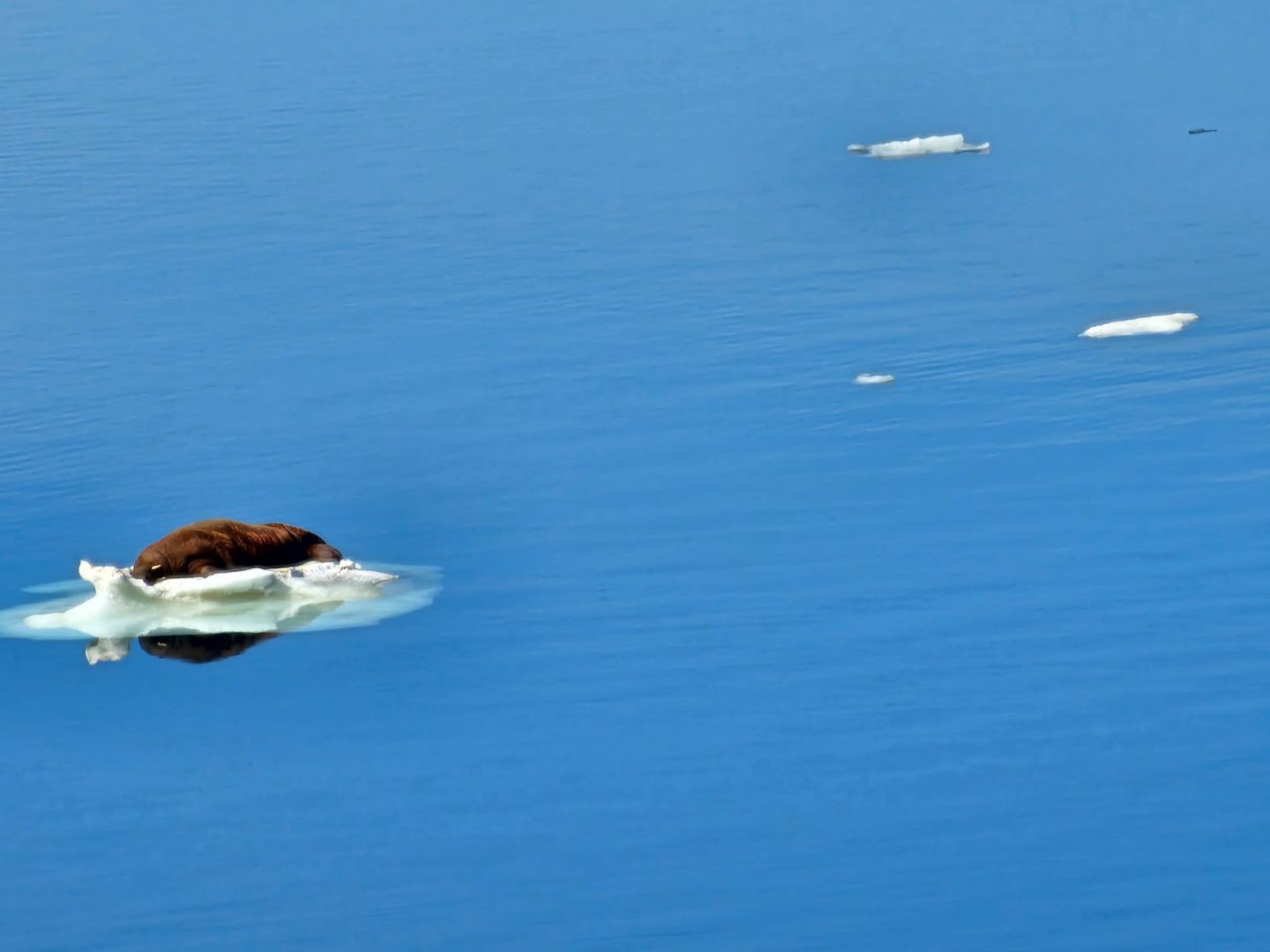
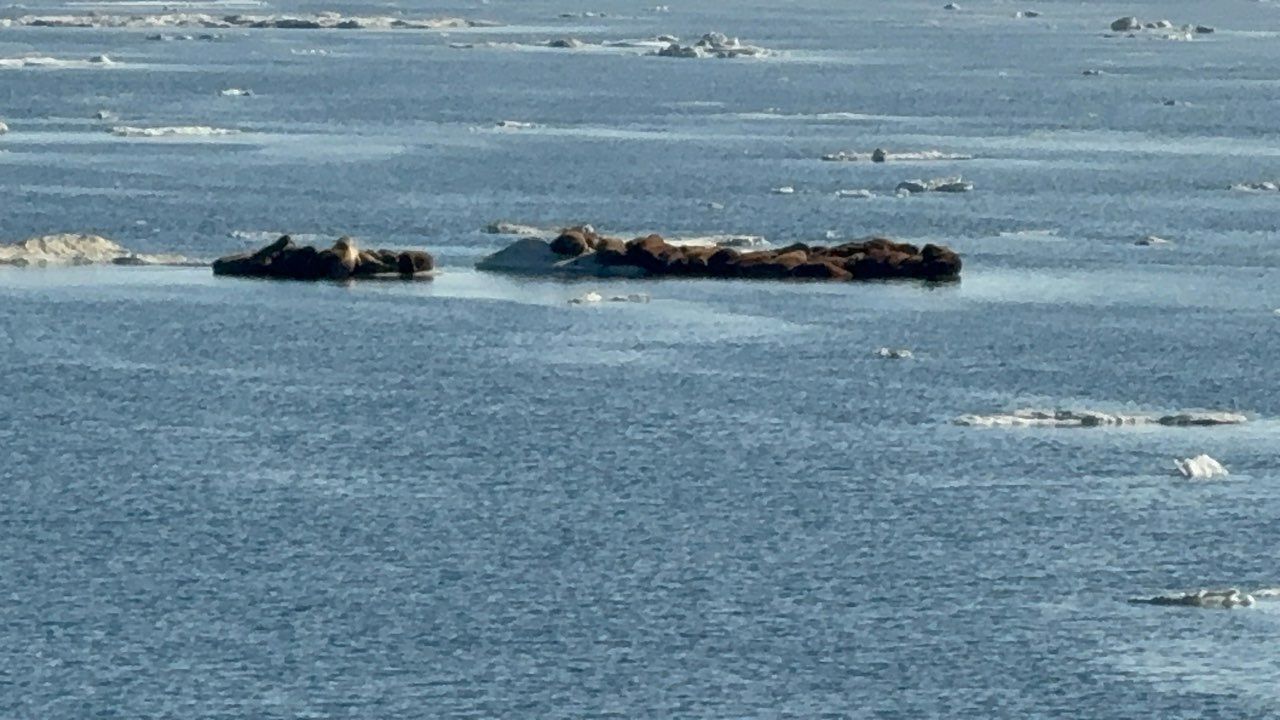
Week 2 on the USCG Healy was definitely an unforgettable experience. We have hit sea ice! Something that most people from New York City might not ever have a chance to see in person. This has brought a variety of arctic sea life within visible range of the ship including sea birds, jellyfish, and marine mammals such as whales, seals, sea lions, and walruses.

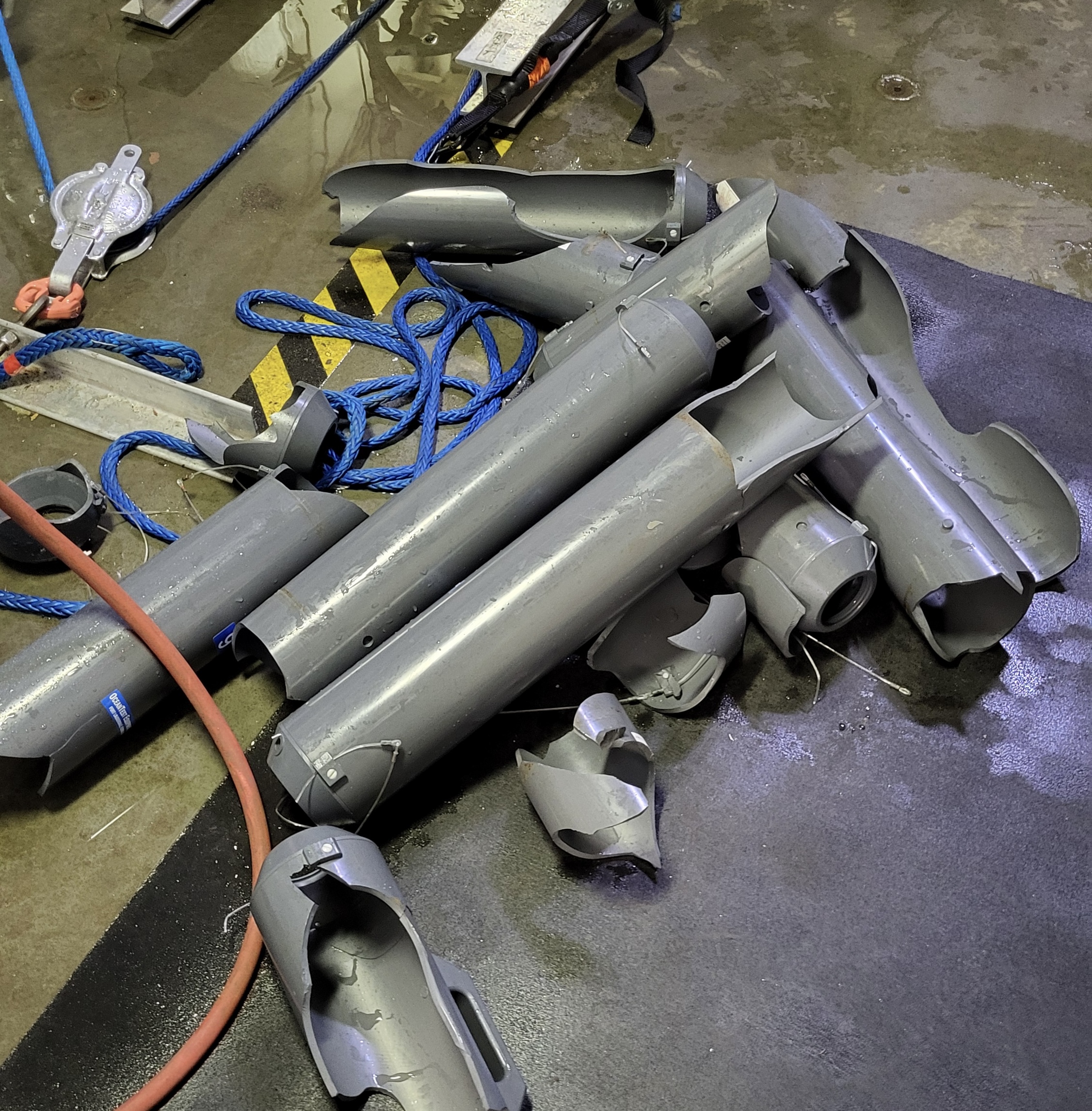
I started the week inventorying how many Niskin bottles remained after we had an accident in our CTD deployment. We got a harsh lesson on why you do not send the carousel down to depth with some bottles open and some closed. This resulted in a number of bottles imploding. None of our sensors were harmed and we didn’t lose all of the bottles so it wasn’t the end of the world, it did however become my job to test all the remaining bottles for leaks or cracks to determine what needs to be replaced.
Now that I am more familiar with the shipboard sensors and equipment I have been given a lot more responsibility. When aquatic mammals are reported by the bridge, the first thing that has to be done before running out to take photos is to turn off all of our acoustic sounders as they can harm their vestibular systems. Cetaceans and other mammals can lose their sense of direction and ability to communicate when high frequency sonar equipment is pinging. When the sounders are turned off it has to be electronically logged which I learned how to do. I have also been responsible for flushing and cleaning the water wall filters when they get clogged with biofouling or sea ice.
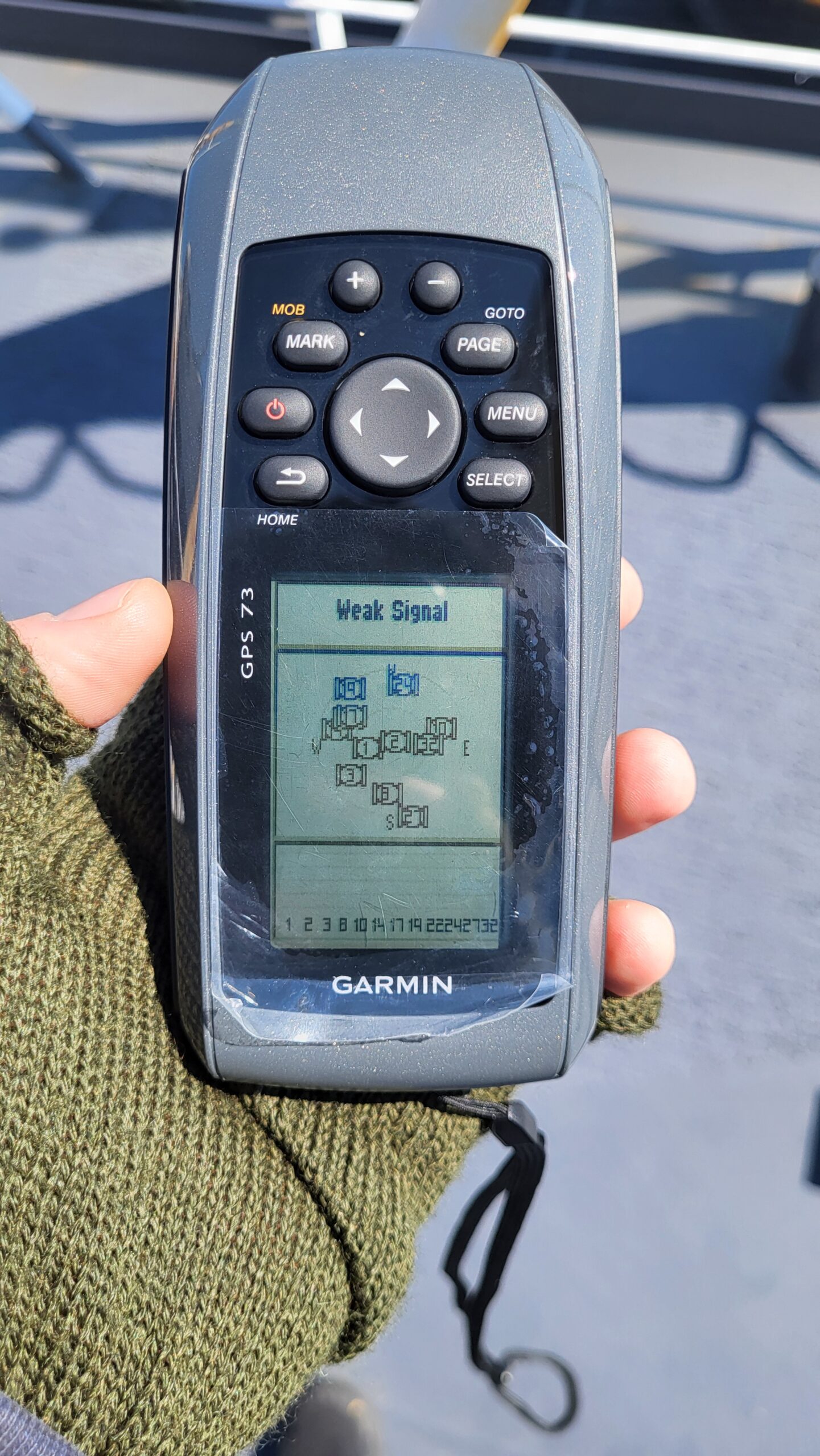
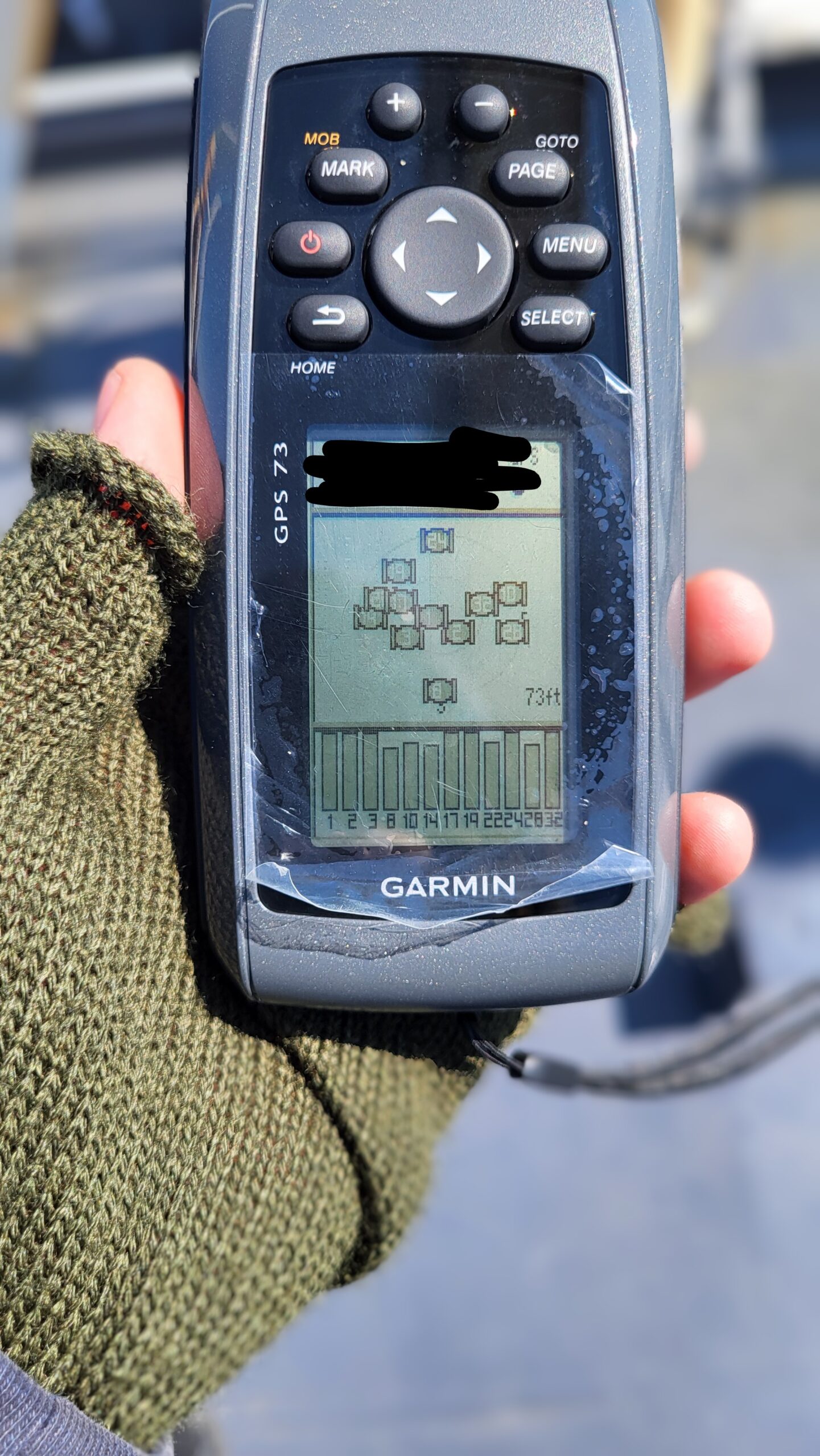
This week the STARC team has been focused on trouble shooting our Seapath GPS. We were experiencing major interference and weren’t sure what the issue was. While our GPS data isn’t used for navigation we use the data in our depth sounders and meteorological sensors for more accuracy. First we tried using a spectrum analyzer but after not being able to hone in on what frequency was causing the interference I was tasked to walk around all of our antennas with a handheld GPS. Shown in the photos you can see what a good satellite signal looks like and what a bad signal looks like. Using the handheld we were able to determine what device was causing our interference, and we will do further testing to see if it was a bad antenna, receiver, or cable fraying.
I look forward to continuing to share my experiences on Healy on this incredible cruise that I was lucky enough to be a part of.