

4/27/2024 – 5/3/2024
I arrived in Cape Town, South Africa on Saturday 4/27 in the late afternoon, by the time I made it to the R/V Marcus G. Langseth (Langseth for short) it was almost dark and time to unpack and get acquainted with my new home for the next month.
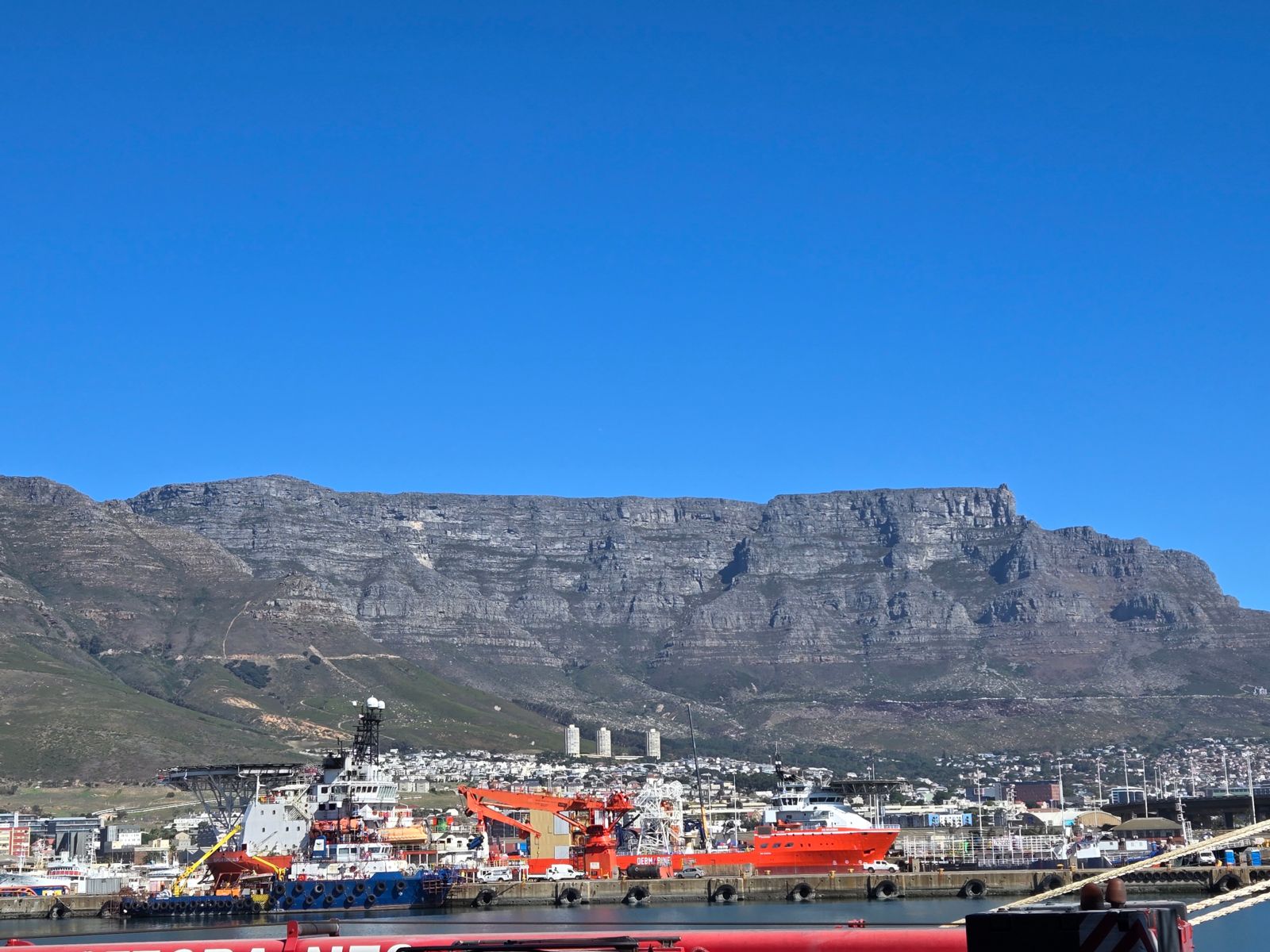
The morning of Sunday 4/28, was spent touring the Langseth. Looking at all of the labs and other facilities I would be working in as well as going import rules and safety while on board. The other UNOLS-MATE interns on board ( Rachael and Ray) and I were then given the rest of the day to explore Cape Town. We were able to explore the city for half the day and get a taste of the African culture, which is an experience I will never forget. Nothing was more spectacular than looking up at Table Mountain.
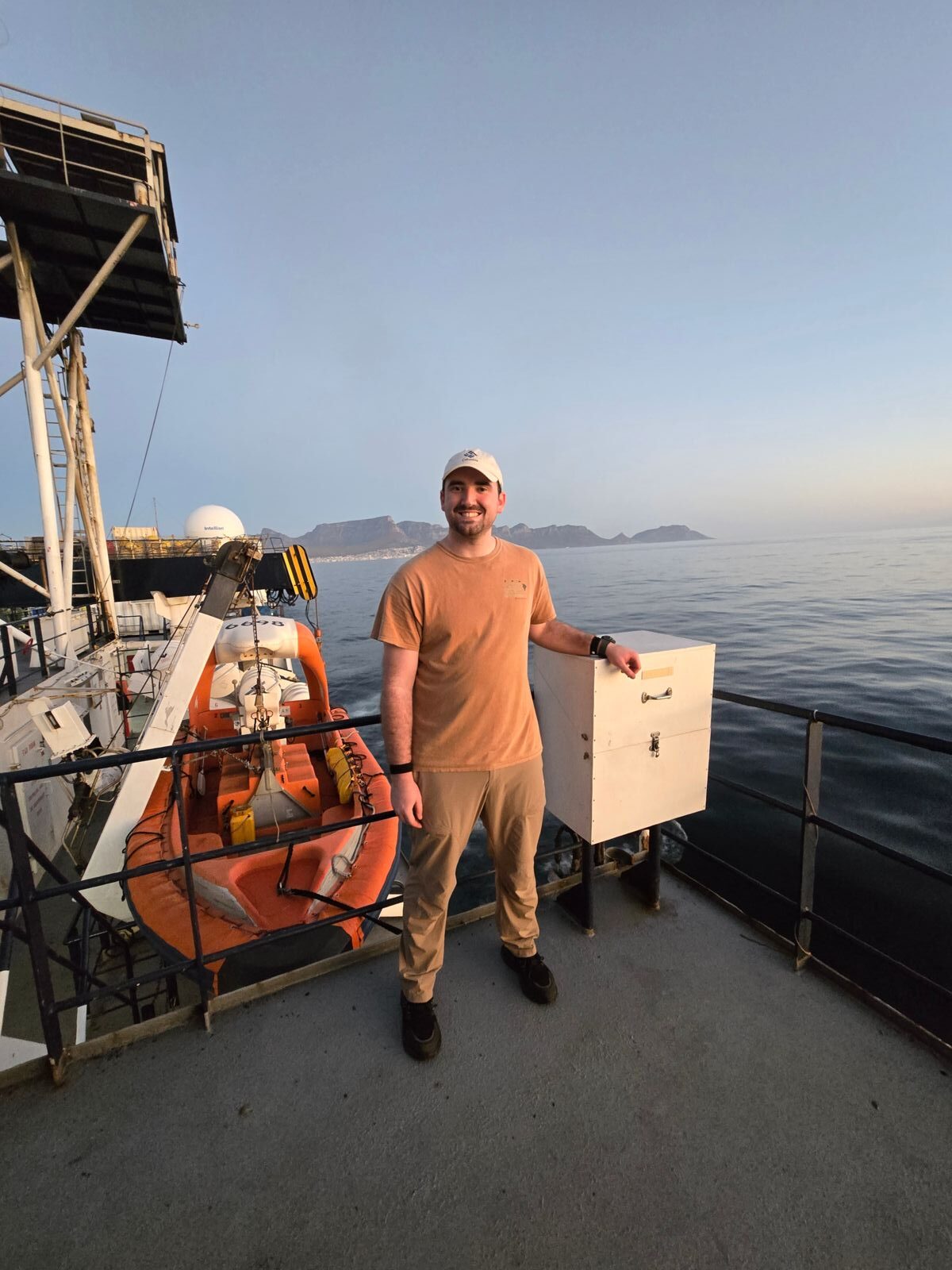
Monday 4/29 was the big day, the day we left Cape Town and began the long transit to New York. I spent the day working with my fellow interns to secure crates, pallets and coolers containing water samples from a previous cruise with ratchet straps and paira cord to ensure that they did not move while at sea. We set sail later that evening.
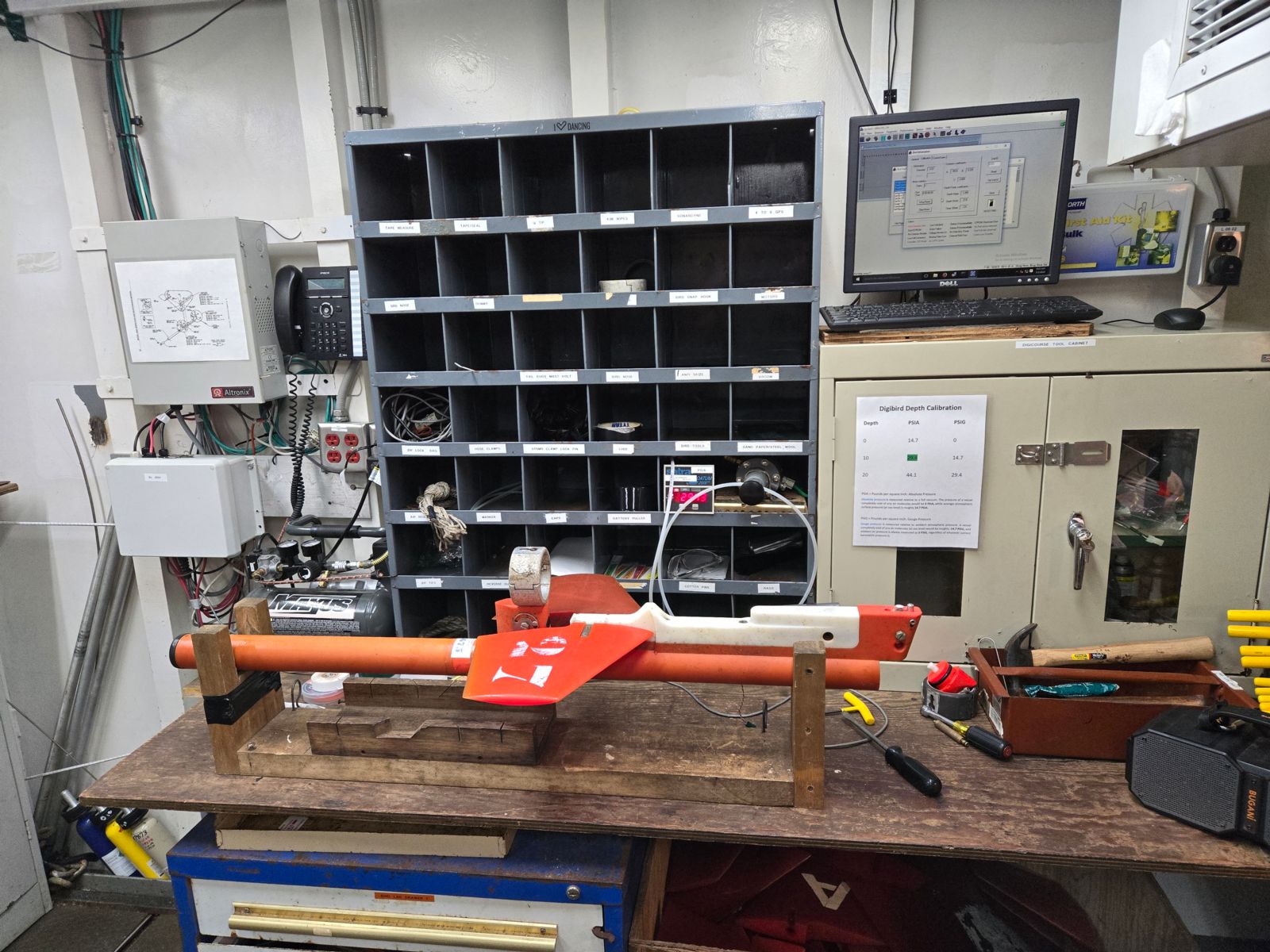
Tuesday 4/30 was spent working mostly in what’s called the Bird Lab. This is where all the Digibirds, that attend the sizmic streams to keep the stream level in the water column, are dismantled and tested before deployment. This lab was used as a storage area for water samples and needed to be cleaned before testing the Digibirds. I spent the rest of my day working on other tasks throughout the ship.
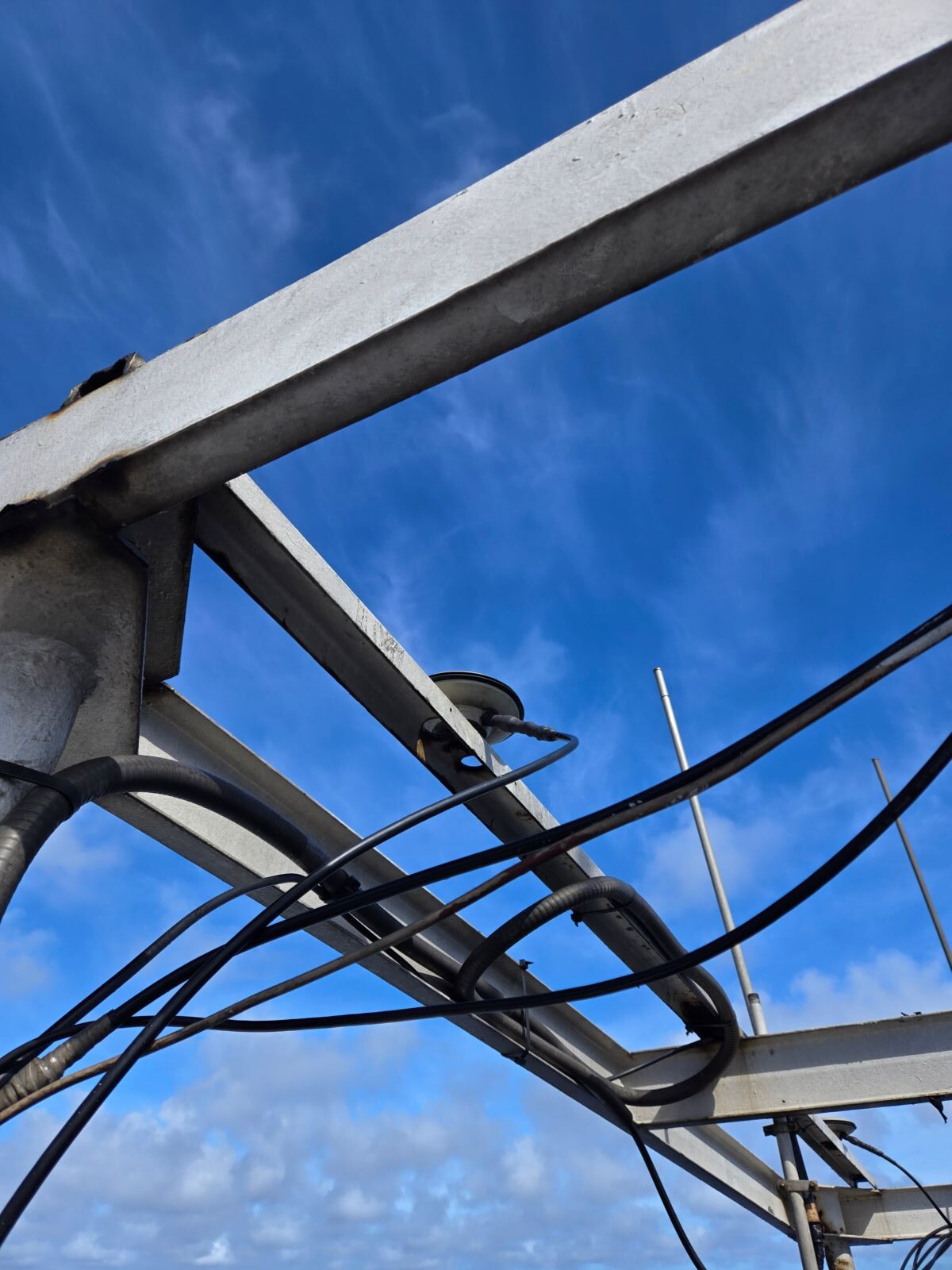
Wednesday 5/1, I assisted in troubleshooting a solution for the inoperable Seapath GPS receiver antenna. This involved climbing the (name) tower and putting on a harness to reach the antenna. After a lot of trial and error we were finally able to get a clear sign on the receiver after reterminating the wire connected to the antenna.
Thursday 5/2, I spent the morning making labels for all of the unmarked crates and containers on the ship. This was in order to ensure that once we arrived in New York these container crates containing scientific samples and equipment would get to their final destination. I spent the second half of the day learning how to dismantle and test the Digibirds. After looking over the procedures, I was able to test a total of 8 Digibirds.
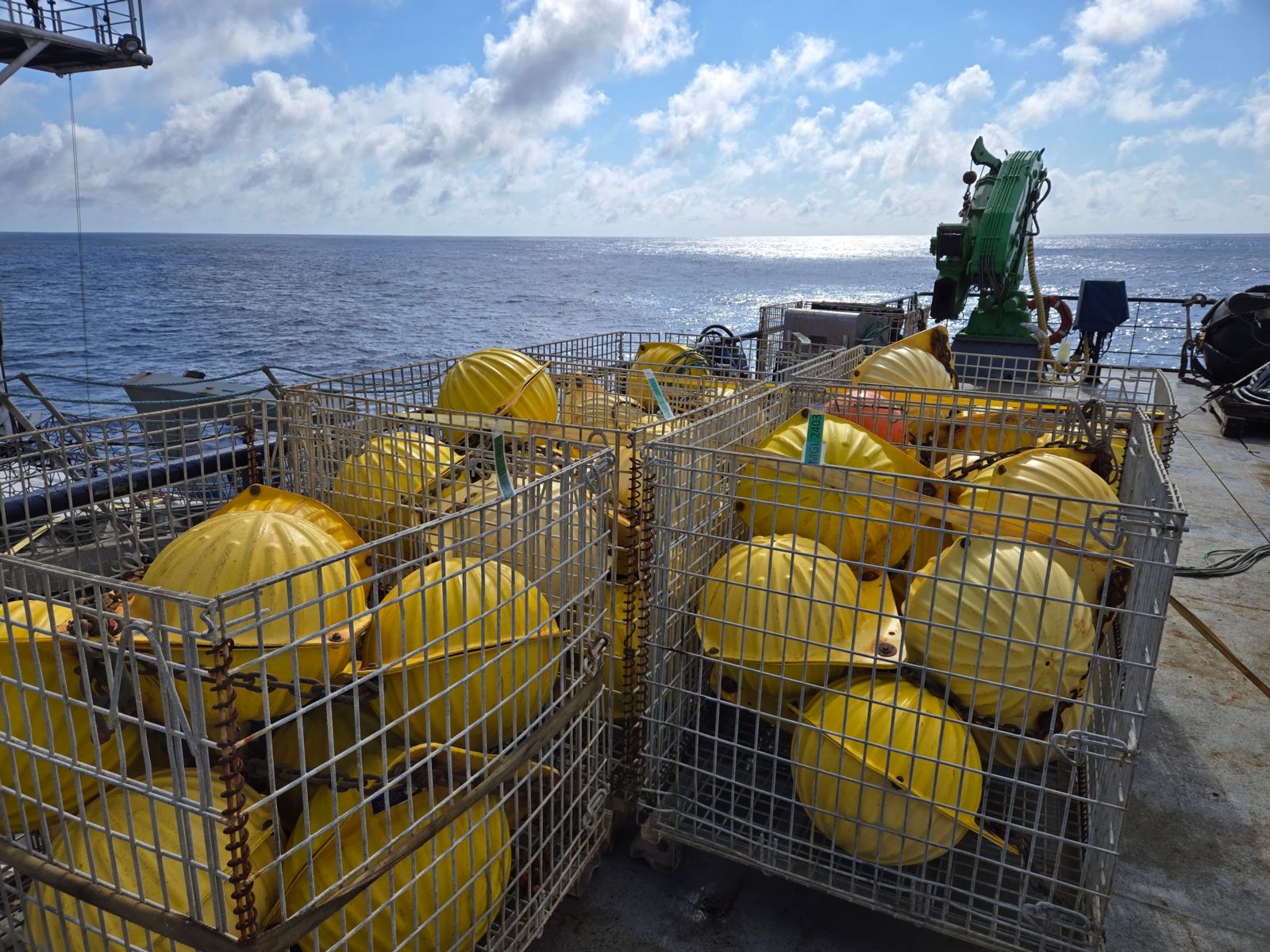
Most of Friday 5/3, was spent continuing my work from the day before, dismantling and testing the Digibirds. I was able to get through about 25 of them today, but there are quite a few that require some troubleshooting to determine what is wrong with them.
Stay tuned for my next post!